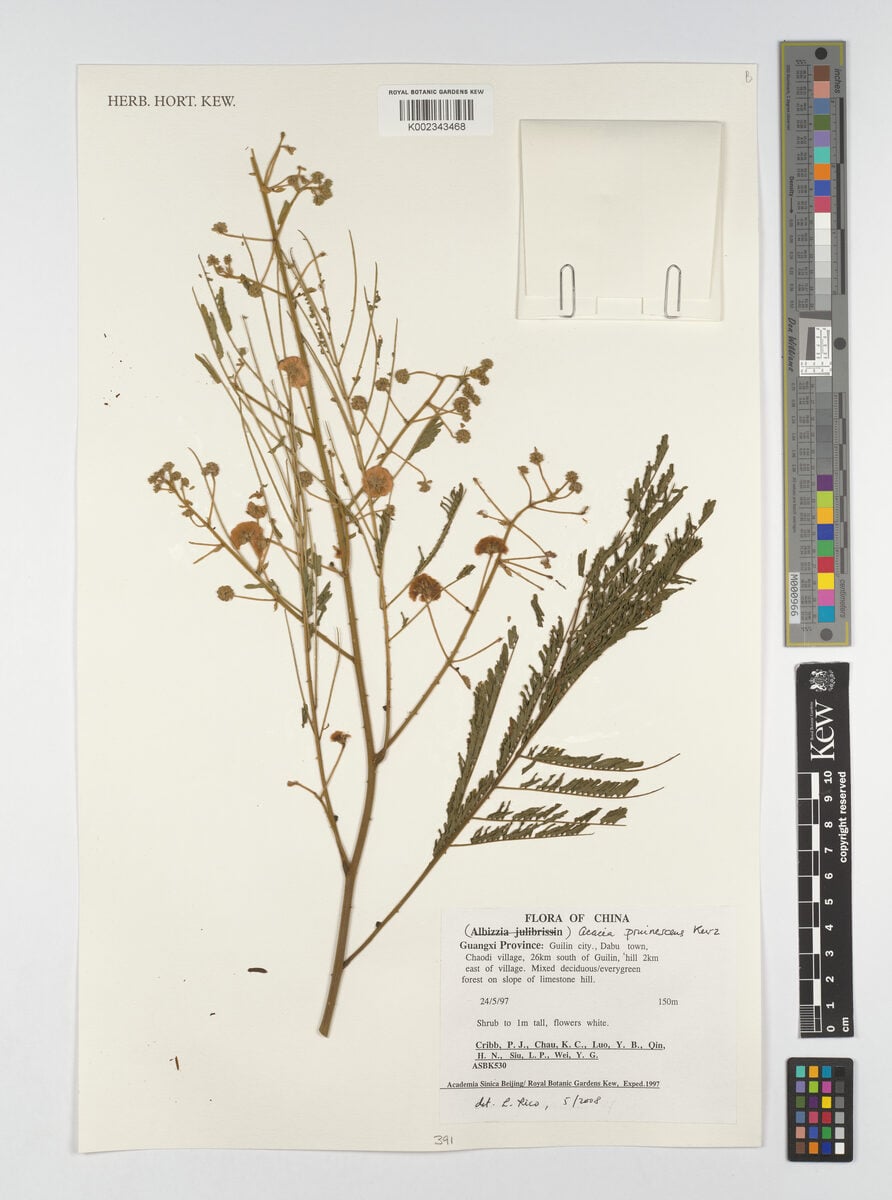
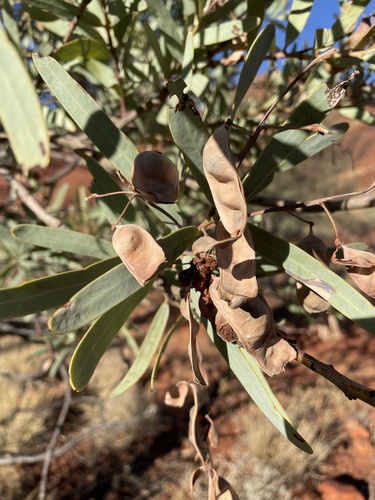
Guibourtia ehie
(A. Chev.) J Leonard
iNaturalist· cc-by-nc
(c) Carel Jongkind, some rights reserved (CC BY-NC), uploaded by Carel Jongkind
wikimedia· cc0
Wikimedia Commons - Dexys-2019
Summary
Source: WikipediaGuibourtia ehie is an evergreen tree of the genus Guibourtia in the family Fabaceae, also known by the common names amazique, amazoué, hyedua, black hyedua, mozambique, ovangkol and shedua.
Description
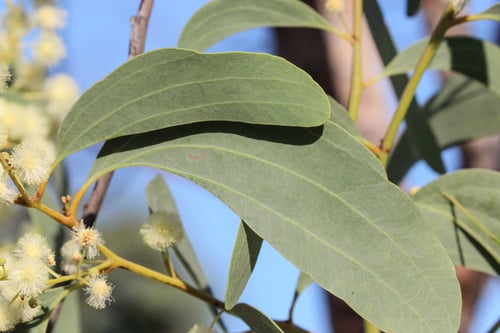
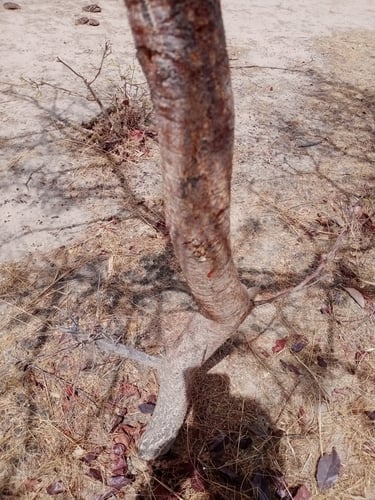
A tree that loses its leaves. It grows 45 m high. The trunk is straight and cylinder shaped. It has buttresses 4 m wide and 1 m high. The leaves are in pair and are papery. They are 6-14 cm long and they are half moon shaped. The flowers are white and have a scent. They are crowded in short spikes. These form a panicle 20 cm long. The fruit are pods that are flat and papery. They are 4-6 cm long by 3-4 cm wide. They are rounded at the tip and wedge shaped at the base. They contain one flat seed.
Edible Uses
The seeds are edible.
Distribution
It is a tropical plant. It grows in evergreen forest in West Africa. It grows in shade.
Where It Grows
Africa, Benin, Cameroon, Central Africa, Côte d'Ivoire, Gabon, Ghana, Ivory Coast, Liberia, Nigeria, Togo, West Africa,
Cultivation
Plants are grown from seed.
Other Uses
The heartwood is yellow brown to dark brown, with grey to blackish veins and copper glints; it is clearly demarcated from the 4 - 7cm wide band of sapwood. The texture is fine; the grain interlocked; there is a moire aspect on quartersawn wood. The wood is heavy, hard, elastic; it is very durable, being resistant to fungi, dry wood borers and termites. It seasons somewhat slowly, with only a slight risk of checking or distortion; once dry it is moderately stable in service. The wood has a fairly high blunting effect - stellite-tipped and tungsten carbide tools are recommended; there is sometimes a white efflorescence on sawnwoods - this can be removed by washing with warm water; the interlocked grain can produce some difficulties in working the wood; nailing and screwing are good, but require pre-boring; gluing is correct. The wood is a popular substitute for rosewood. It is used for purposes such as fine furniture and cabinetwork, turnery, decorative veneers' panelling and flooring.
Production
Plants grow slowly.
Notes
Also as Caesalpinaceae.
Synonyms
Also Known As
Amazakoue, Amazoue, Anokye, Bubinga, Hyedua, Ovengkol, Pia pia, Zulue
References (5)
- Burkill, H. M., 1985, The useful plants of west tropical Africa, Vol. 3. Kew.
- Oteng-Amoako, A. A. (Ed.), 2006, 100 Tropical African Timber Trees from Ghana. Forestry Research Institute of Ghana. p 148
- Polansky, C., 2018, Annex: Tree Identification and Propagation Images and text for 29 species found in Nimba County, Liberia. ACDI p 5
- Voorhoeve, A. G., 1965, Liberian high forest trees. Pudoc p 222
- World Checklist of Useful Plant Species 2020. Royal Botanic Gardens, Kew