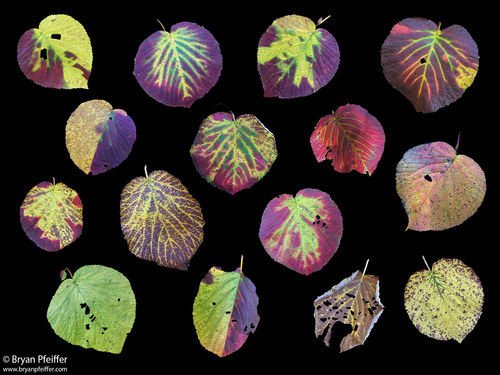
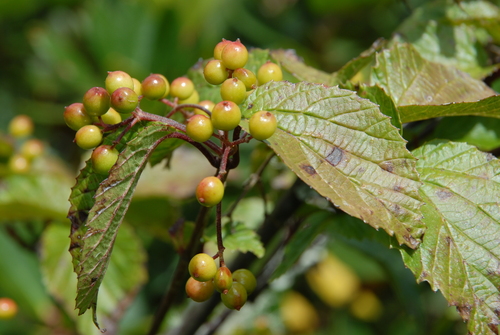
Viburnum mongolicum
(Pall.) Rehder
Mongolian viburnum, Mongolian whiterod
iNaturalist· cc-by-nc
(c) huangmingpan, some rights reserved (CC BY-NC), uploaded by huangmingpan
iNaturalist· cc-by-nc
(c) wresy, some rights reserved (CC BY-NC)
Summary
Source: WikipediaA deciduous shrub growing to 2m tall, hardy to UK zone 5. Flowers April to June. Hermaphroditic and insect-pollinated but not self-fertile. Tolerates light sandy, medium loamy, and heavy clay soils with mildly acid, neutral, or basic pH. Grows in semi-shade or full sun, preferring moist soil.
Description
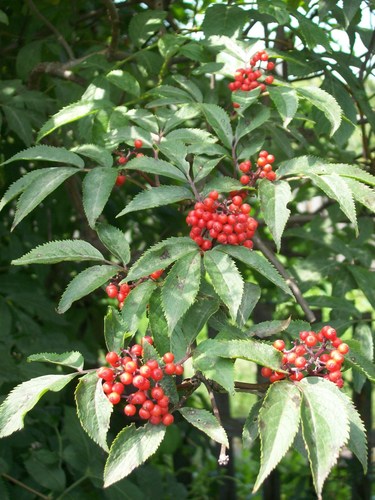
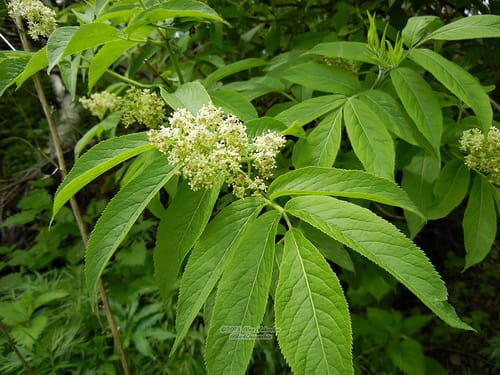
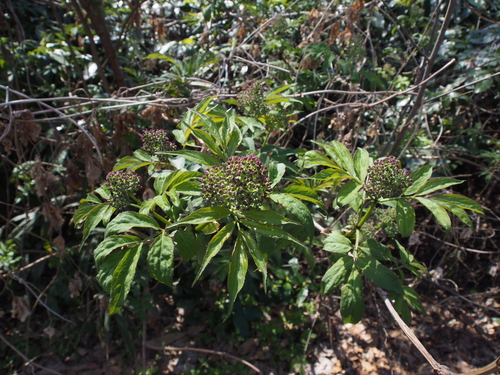
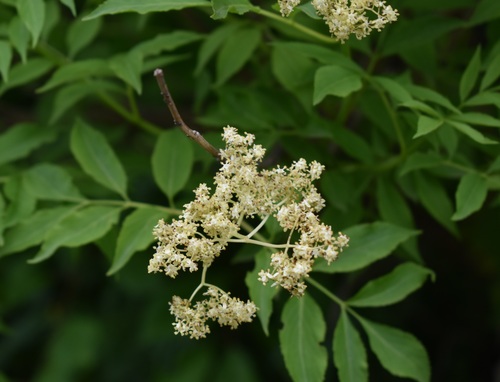
A shrub. It grows 1.8-2.4 m high and spreads 1.2 m wide. It loses its leaves during the year. The leaves are 6 cm long and have teeth along the edge. The leaves are downy underneath. The flowers are white and in small flat open heads. The fruit are red berries. They are in clusters. They become black as they ripen.
Edible Uses
The fruit can be eaten raw or cooked.
Traditional Uses
The mature fruit are eaten. The leaves and flowers are used for tea. They are spread in the sun and stacked up at night then repeated for 2 days. They are then roasted and stirred in water until it becomes red, then removed and the tea drunk.
Medicinal Uses
None known
Distribution
It is a temperate plant. It is native to arid regions of north China. It grows on hillsides between 1,800-3,200 m altitude. It suits hardiness zones 4-9.
Where It Grows
Asia, Australia, China, Mongolia, Russia, Siberia,
Propagation
Seed is best sown in a cold frame as soon as it is ripe. Germination can be slow, sometimes taking more than 18 months. Seed harvested green — fully developed but not yet fully ripe — and sown immediately in a cold frame should germinate the following spring. Stored seed needs 2 months of warm stratification followed by 3 months of cold stratification, and may still take 18 months to germinate. Prick seedlings into individual pots when large enough to handle and grow on in a cold frame or greenhouse, planting out in late spring or early summer the following year. Softwood cuttings taken in early summer in a frame should be potted individually once rooting begins and planted out the following late spring or early summer. Half-ripe cuttings, 5–8cm long with a heel if possible, taken in July or August in a frame, should be potted as soon as they root. These can be difficult to overwinter and are best kept under glass until spring before planting out. Mature wood cuttings taken in winter in a frame should root in early spring; pot when large enough and plant out in summer if sufficient new growth has formed, otherwise overwinter in a frame and plant out the following spring. Layering of the current season's growth in July or August takes 15 months.
Other Uses
None known Special Uses
Notes
There are about 150 Viburnum species. Also put in the family Caprifoliaceae.
Synonyms
Also Known As
Chair
References (5)
- Cundall, P., (ed.), 2004, Gardening Australia: flora: the gardener's bible. ABC Books. p 1467
- Hu, Shiu-ying, 2005, Food Plants of China. The Chinese University Press. p 689
- Khasbagan, Hu-Yin Huai, and Sheng-Ji pei, 2000, Wild Plants in the Diet of Athorchin Mongol Herdsmen in Inner Mongolia. Economic Botany 54(4): 528-536
- Plants for a Future database, The Field, Penpol, Lostwithiel, Cornwall, PL22 0NG, UK. http://www.scs.leeds.ac.uk/pfaf/
- C. S. Sargent, Trees & shrubs 2:111. 1908