Telopea speciosissima
(Sm.) R. Br.
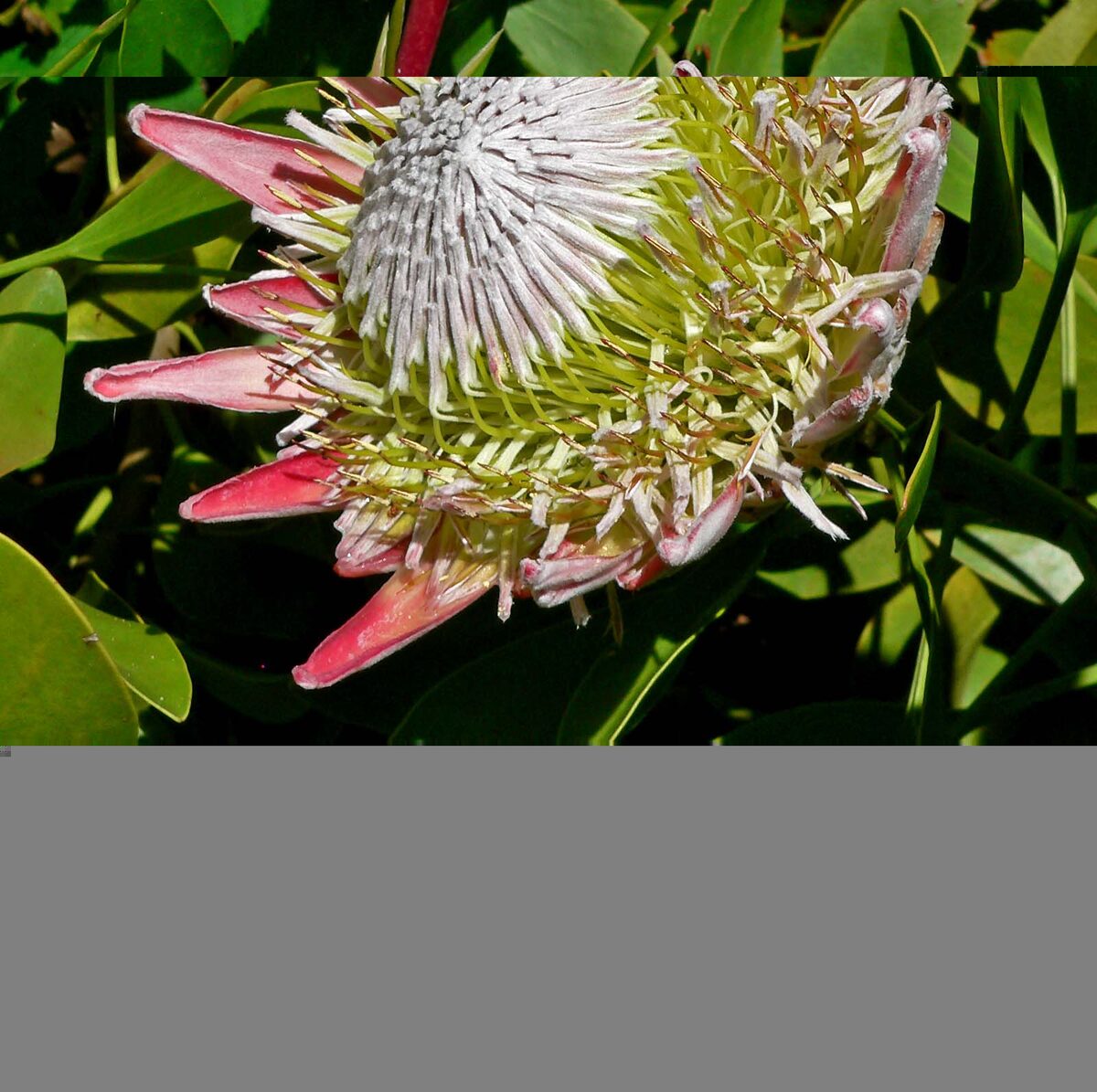
Waratah, New South Wales Waratah
iNaturalist· cc-by-nc
(c) kalimata, some rights reserved (CC BY-NC), uploaded by kalimata
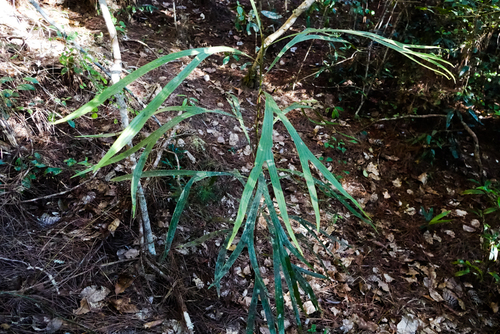
iNaturalist· cc-by-nc
(c) izakschoon, some rights reserved (CC BY-NC), uploaded by izakschoon
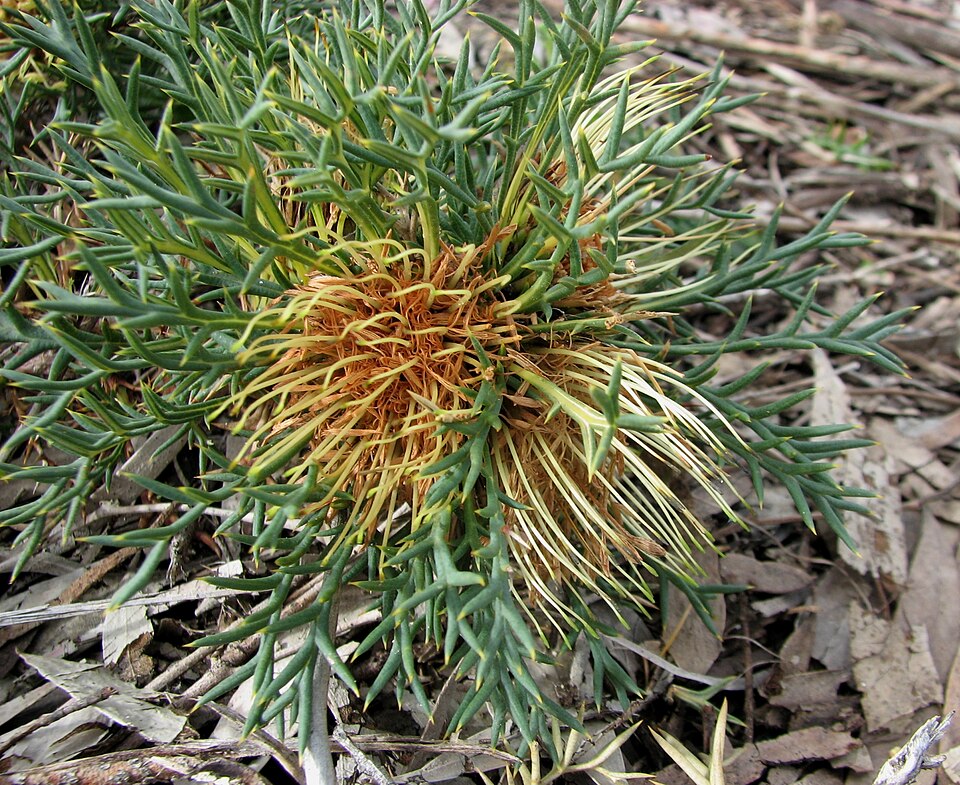
iNaturalist· cc-by-nc
(c) izakschoon, some rights reserved (CC BY-NC), uploaded by izakschoon
Summary
Source: WikipediaTelopea speciosissima, commonly known as the New South Wales waratah or simply waratah, is a large shrub in the plant family Proteaceae. It is endemic to New South Wales in Australia. No subspecies are recognised; the closely related Telopea aspera was classified as a separate species in 1995. T. speciosissima is a shrub to 3 or 4 m (9.8 or 13.1 ft) high and 2 m (6.6 ft) wide, with dark green leaves. Its several stems arise from a pronounced woody base known as a lignotuber. The species is well renowned for its striking large red springtime inflorescences (flowerheads), each including hundreds of individual flowers. These are visited by the eastern pygmy possum (Cercartetus nanus), birds such as honeyeaters (Meliphagidae), and various insects. The floral emblem for its home state of New South Wales, Telopea speciosissima has featured prominently in art, architecture, and advertising, particularly since Australian federation. Commercially grown in several countries as a cut flower, it is also cultivated in home gardens, requiring good drainage yet adequate moisture, but is vulnerable to various fungal diseases and pests. A number of cultivars with various shades of red, pink and even white flowers are available. Horticulturists have also developed hybrids with T. oreades and T. mongaensis which are more tolerant of cold, shade, and heavier soils.
Description
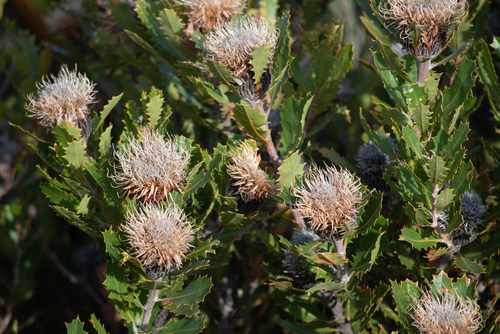
A medium sized shrub. It is tall, slender and rather stiff. It grows 2-3 m high. It spreads 1-2 m across. It has many stems. The leaves are broad and grey-green. They are leathery and have lobes. They have small teeth around the edge. The flower is large and bright red.
Edible Uses
The flowers produce copious amounts of nectar that can be sipped directly from the blooms or used to make a sweet beverage.
Traditional Uses
The flowers are sucked for their nectar. It can also be used to make a drink.
This uses section is brief — help expand it
Medicinal Uses
None known
Distribution
It grows in temperate regions. It will also grow in the subtropics. It needs well drained soils. It can grow in full sun or light shade. It can stand light frosts. They do not like lime or alkaline soils. It suits hardiness zones 9-10.
Where It Grows
Australia*, Slovenia, Tasmania,
Propagation
Sow seed in spring in a warm greenhouse. Once seedlings are large enough to handle, prick them out into individual pots and grow on in the greenhouse for at least their first winter. Plant out into permanent positions in late spring or early summer, after the last expected frosts.
Other Uses
The stems are used in basket making.
Synonyms
Also Known As
Avstralska telopeja
References (20)
- Blomberry, A.M., 1979, Australian Native Plants. Angus and Robertson p 171
- Bodkin, F., 1991, Encyclopedia Botanica. Cornstalk publishing, p 969
- Bonney, N., 1997, Economic Native Trees and Shrubs for South Australia. Greening Australia (SA) inc. Campbelltown SA 5074 p 169
- Brickell, C. (Ed.), 1999, The Royal Horticultural Society A-Z Encyclopedia of Garden Plants. Convent Garden Books. p 1003
- Cribb, A.B. & J.W., 1976, Wild Food in Australia, Fontana. p 183
Show all 20 references Hide references
- Cronin, L., 1989, The Concise Australian Flora. Reed. p 45
- Cundall, P., (ed.), 2004, Gardening Australia: flora: the gardener's bible. ABC Books. p 1404
- Facciola, S., 1998, Cornucopia 2: a Source Book of Edible Plants. Kampong Publications, p 189
- Flora of Australia Volume 16, Elaeagnaceae, Proteaceae 1. Melbourne: CSIRO Australia (1995) p 387
- Greig, D., 1996, Flowering Natives for Home Gardens. Angus & Robertson. p 313
- Grieg, D., 2002, A photographic guide to Wildflowers of South-eastern Australia. New Holland. p 117
- Hibbert, M., 2002, The Aussie Plant Finder 2002, Florilegium. p 297
- Holliday, I., 1979, A Field Guide to Australian Native Shrubs. Rigby. p 190
- Holliday, I., 1989, A Field Guide to Australian Trees. Hamlyn. p 302
- http://www.botanic-gardens-ljubljana.com/en/plants
- Lavelle, M., 2008, Wild Flowers of Australia and Oceania. Southwater. p 97
- Low, T., 1992, Bush Tucker. Australia’s Wild Food Harvest. Angus & Robertson. p 170
- Maiden, JH, 1889, The Useful Native Plants of Australia. Compendium. Melbourne. Reprinted 1975.
- Molyneux, B. and Forrester, S., 1997, The Austraflora A-Z of Australian Plants. Reed. p 153
- Trans. Linn. Soc. London 10:198. 1810