Helicia cochinchinensis
Loureiro
iNaturalist· cc-by
(c) Jacy Chen, some rights reserved (CC BY), uploaded by Jacy Chen
iNaturalist· cc-by-nc
(c) Wen-Ling Chen, some rights reserved (CC BY-NC)
iNaturalist· cc-by-nc
(c) camellialo, some rights reserved (CC BY-NC)
Description
A shrub or tree. It grows 4-20 m high. The branches and leaves are smooth. The leaf stalk is 0.5-1.5 cm long. The leaf blade is oval and 5-12 cm long by 2.5-5 cm wide. It is papery or slightly leathery. The base is wedge shaped. There are a few teeth near the tip in young leaves. Leaves taper to a short tip. There are 6-7 pairs of veins. The flower racemes are in the axils of leaves. They are 8-14 cm long. The flowers are whitish or yellow. The fruit is narrowly oval and 1-1.5 cm long by 0.8-1 cm wide. It is bluish black.
Edible Uses
Seed. The fruit is a bluish-blach, subglobose-ovoid drupe, 15mm long and 12mm wide, containing a single seed.
Traditional Uses
The fruit are eaten raw.
This uses section is brief — help expand it
Distribution
A tropical and subtropical plant. It grows in evergreen and mixed forests on plains or mountain slopes between 100-500 m altitude in S China. It can grow up to 1700 m altitude. In Yunnan.
Where It Grows
Asia, Cambodia, China, Indochina, Japan, SE Asia, Taiwan, Thailand, Vietnam,
Other Uses
The wood is used for fuel.
Notes
There are about 90 Helicia species mostly in SE Asia with some in N Australia.
Synonyms
Also Known As
Xiao guo shan long yan, Xiachuxialo
References (9)
- Burkill, I.H., 1966, A Dictionary of the Economic Products of the Malay Peninsula. Ministry of Agriculture and Cooperatives, Kuala Lumpur, Malaysia. Vol 1 (A-H) p 1151
- Crevost & Lemarie, 1917, p 261
- Fl. cochinch. 1:83. 1790
- Flora of China @ efloras.org Volume 5
- Jin, Chen et al, 1999, Ethnobotanical studies on Wild Edible Fruits in Southern Yunnan: Folk Names: Nutritional Value and Uses. Economic Botany 53(1) pp 2-14
Show all 9 references Hide references
- PROSEA No. 2 pp 340-341
- Wickens, G.E., 1995, Edible Nuts. FAO Non-wood forest products. FAO, Rome. p147
- World Checklist of Useful Plant Species 2020. Royal Botanic Gardens, Kew
- www.efloras.org Flora of China
More from Proteaceae
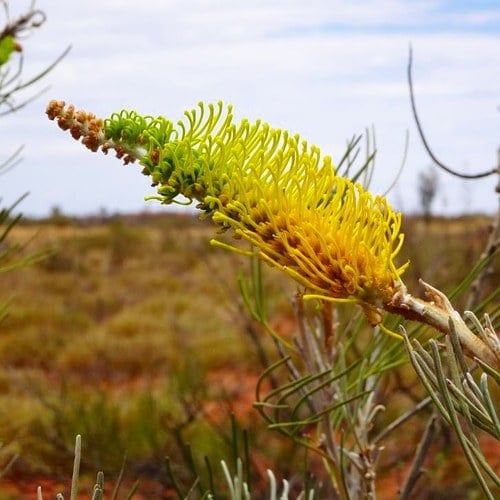
Grevillea eriostachya
Honey Grevillea, Orange Grevillea, Flame Grevillea, Pine Grevillea, Wama, Kaliny kalinypa, Galigiri
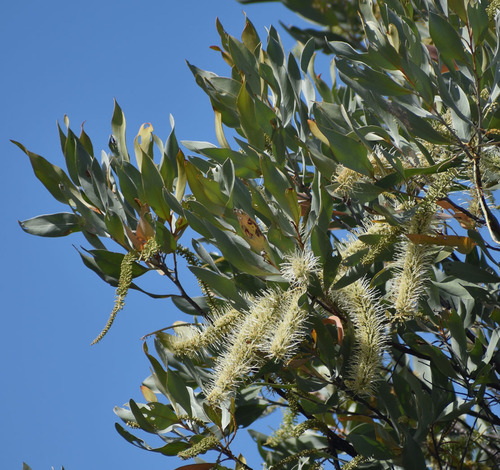
Grevillea glauca
Bushmans' clothes-peg, Nut Wood
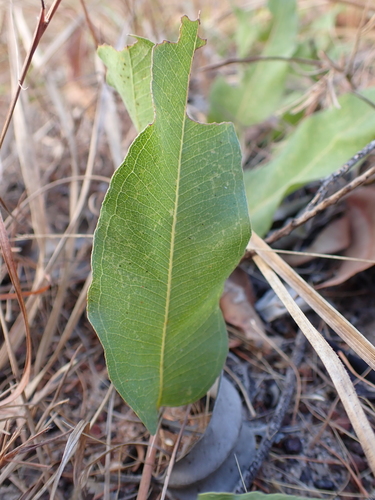
Grevillea goodii subsp. goodii
Good's Grevillea, Burrun burrun
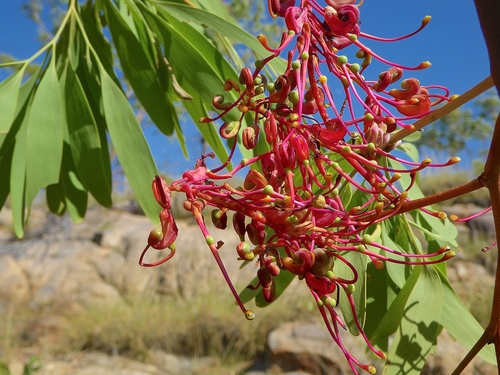
Grevillea heliosperma
Rock Grevillea
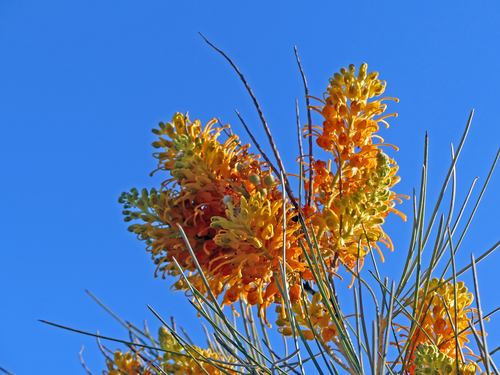
Grevillea juncifolia
Desert Grevillea, Honeysuckle Grevillea
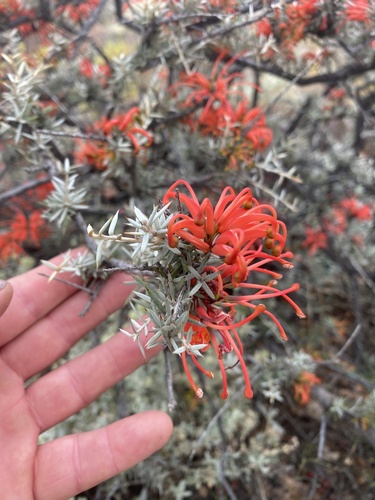
Grevillea kennedyana
Flame Spider Flower