Hakea trifurcata
R. Br.
Two-leaf hakea
iNaturalist· cc-by
(c) Kevin Thiele, some rights reserved (CC BY)
iNaturalist· cc-by-nc
(c) David Spencer Muirhead, some rights reserved (CC BY-NC), uploaded by David Spencer Muirhead
iNaturalist· cc-by-nc
(c) tangatawhenua, some rights reserved (CC BY-NC), uploaded by tangatawhenua
Summary
Source: WikipediaHakea trifurcata, commonly known as two-leaf, two-leaved hakea, or kerosene bush, is a shrub, endemic to the south-west of Western Australia. The species has two leaf forms, needle-like or oblong egg-shaped. Unlike most hakea species the fruit remain green at maturity and resemble the broader leaf form. The mimicry creates a camouflage, reducing predation of the seed by granivores in particular cockatoos.
Description
A Mediterranean climate shrub in the Proteaceae family with flowers that produce edible nectar.
This description is brief — help expand it
Edible Uses
The flower nectar is sucked directly from the flowers or used to make a drink.
Traditional Uses
The nectar is sucked from the flowers or used to make a drink.
This uses section is brief — help expand it
Distribution
It is a Mediterranean climate plant.
Where It Grows
Australia*,
Synonyms
References (1)
- Plants and People in Mooro Country. Nyungar Plant use in Yellagonga Regional Park
More from Proteaceae
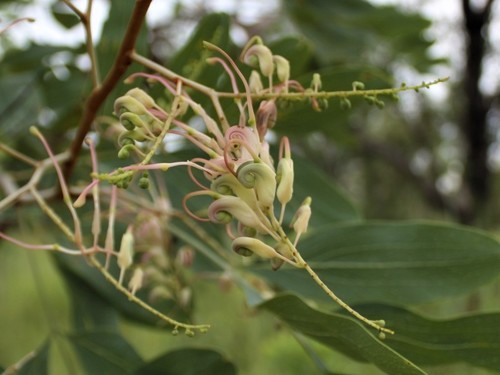
Grevillea decurrens
Andjengerrer
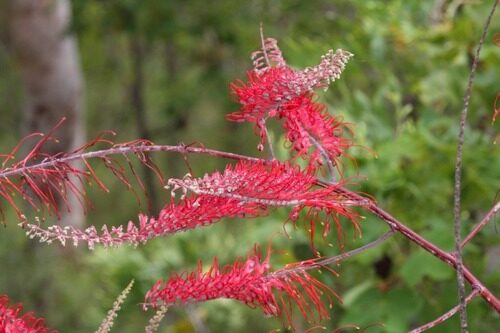
Grevillea dryandri
Inland flame, Dryandra's Grevillea, Dryander's Grevillea
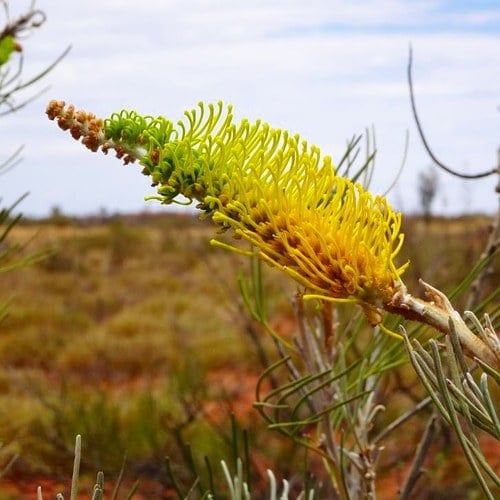
Grevillea eriostachya
Honey Grevillea, Orange Grevillea, Flame Grevillea, Pine Grevillea, Wama, Kaliny kalinypa, Galigiri
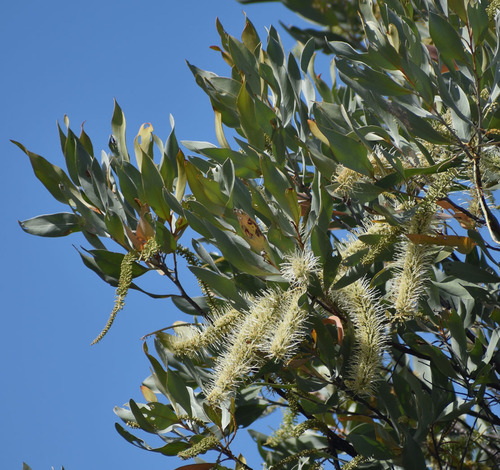
Grevillea glauca
Bushmans' clothes-peg, Nut Wood
Grevillea goodii subsp. goodii
Good's Grevillea, Burrun burrun
Grevillea heliosperma
Rock Grevillea