Helicia australasica
F. Muell.
Creek silky oak, Austral oak
iNaturalist· cc-by-nc
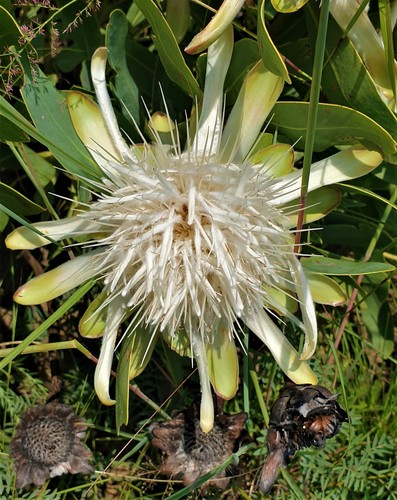
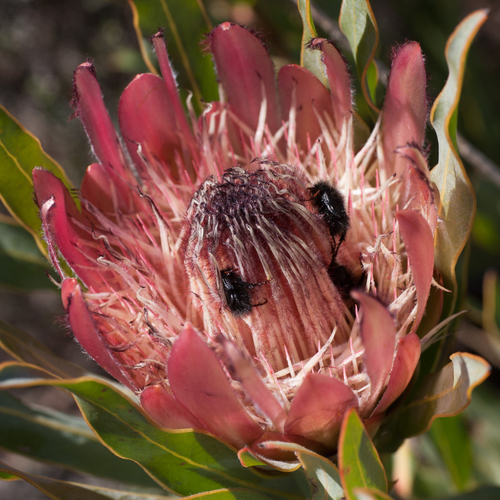
(c) eillsajah, some rights reserved (CC BY-NC), uploaded by eillsajah
iNaturalist· cc-by-nc
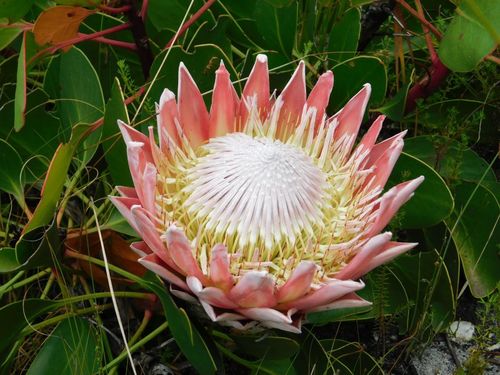
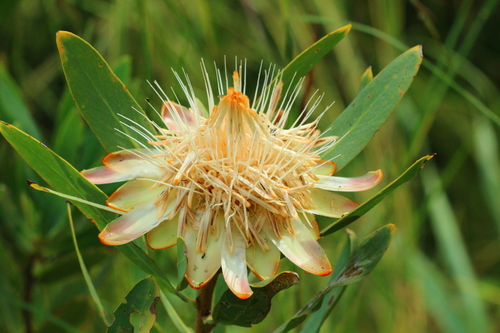
(c) eillsajah, some rights reserved (CC BY-NC)
Summary
Source: WikipediaHelicia australasica, also known as Austral oak or creek silky oak, is a species of rainforest tree in the macadamia family Proteaceae, native to New Guinea and northern and northeastern Australia.
Description
A slender tree. It grows 5-10 m tall. The bark is smooth and dark grey. The leaves are alternate and smooth. They are oblong but taper to the base. They are 10-19 cm long by 4-7 cm wide. They are shiny green on top and paler underneath. The veins are distinct and sometimes the edges of the leaves have teeth. The flowers are creamy-white. The style sticks out. Flowers are 1-1.5 cm long and have a scent. Many flowers occur together on long shoots in the axils of leaves. The fruit is oval and fleshy. It is 1.5 cm long by 1 cm wide and purple black. There is thin flesh around one seed. The fruit are edible.
Edible Uses
The ripe fruit are eaten raw.
Traditional Uses
The ripe fruit are eaten raw.
This uses section is brief — help expand it
Distribution
A tropical plant. It grows naturally in monsoon forests near streams. It grows from sea level to 1100 m altitude in tropical Queensland. They need deep soils and a shady site.
Where It Grows
Australia*, Pacific, Papua New Guinea, PNG,
Cultivation
Plants can be grown from seed.
Production
Trees flower in August to November and fruit January to April.
Notes
There are about 90-120 Helicia species mostly in SE Asia with some in N Australia.
Synonyms
References (8)
- Brock, J., 1993, Native Plants of Northern Australia, Reed. p 216
- Cherikoff V. & Isaacs, J., The Bush Food Handbook. How to gather, grow, process and cook Australian Wild Foods. Ti Tree Press, Australia p 200
- Cooper, W. and Cooper, W., 2004, Fruits of the Australian Tropical Rainforest. Nokomis Editions, Victoria, Australia. p 412
- Dunlop, C.R., Leach, G.J. & Cowie, I.D., 1995, Flora of the Darwin Region. Vol 2. Northern Territory Botanical Bulletin No 20. p 126
- Elliot, W.R., & Jones, D.L., 1990, Encyclopedia of Australian Plants suitable for cultivation. Vol 5. Lothian. p 285
Show all 8 references Hide references
- Flora of Australia Volume 16, Elaeagnaceae, Proteaceae 1. Melbourne: CSIRO Australia (1995) p 395
- Jackes, B.R., 2001, Plants of the Tropics. Rainforest to Heath. An Identification Guide. James Cook University. p 75
- Jones D, L, 1986, Ornamental Rainforest Plants in Australia, Reed Books, p 46