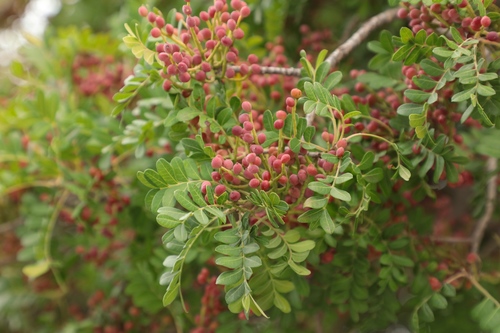
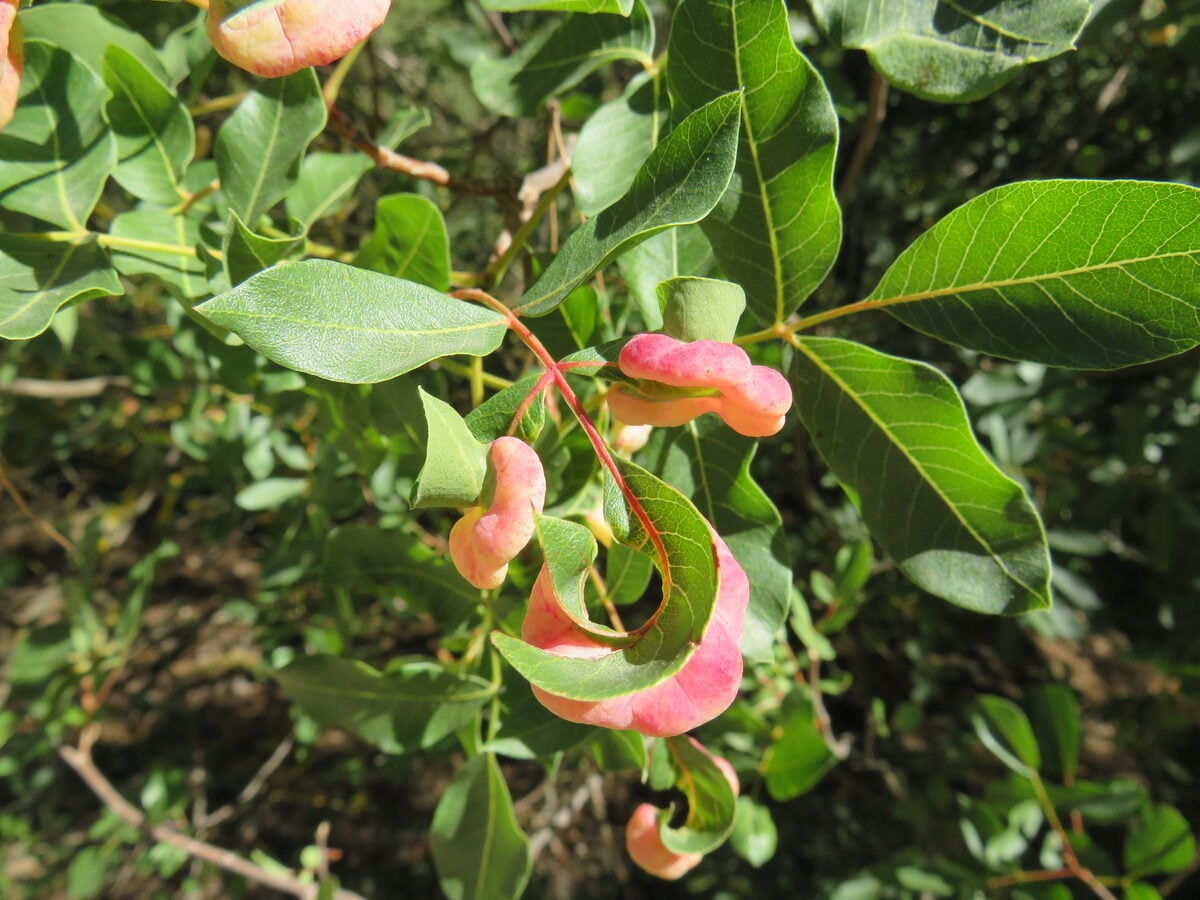
Sorindeia warneckei
Engl.
gbif· cc-by-nc-sa
MBG
Description
A climbing shrub or small tree. The fruit is yellow but ripens to black. The pulp is sweet and edible. Probably now Sorindeia grandifolia Engl.
This description is brief — help expand it
Edible Uses
The fruit pulp is sweet and edible, eaten raw.
Traditional Uses
The fruit are eaten raw.
This uses section is brief — help expand it
Medicinal Uses
The plant is added to medicinal baths.
Distribution
A tropical plant. It grows as an under-storey plant in forests in West Africa.
Where It Grows
Africa, Benin, Cameroon, Central Africa, Ghana, Nigeria, Sierra Leone, West Africa,
Other Uses
The sap is used to make a blue colour, used in tattooing. The juice of the fruits is the source of a blue dye. It is used as a cosmetic and for tattooing.
Also Known As
Akpokpoe, Babaonkoun
References (9)
- Abbiw, D.K., 1990, Useful Plants of Ghana. West African uses of wild and cultivated plants. Intermediate Technology Publications and the Royal Botanic Gardens, Kew. p 48
- Boedecker, J., et al, 2014, Dietary contribution of Wild Edible Plants to women’s diets in the buffer zone around the Lama forest, Benin – an underutilized potential. Food Sec. 6:833–849
- Burkill, H. M., 1985, The useful plants of west tropical Africa, Vol. 1. Kew.
- Codjia, J. T. C., et al, 2003, Diversity and local valorisation of vegetal edible products in Benin. Cahiers Agricultures 12:1-12
- Herb., E. A., 1981,
Show all 9 references Hide references
- Jardin, C., 1970, List of Foods Used In Africa, FAO Nutrition Information Document Series No 2.p 162
- JSTOR Global Plants edible
- Peters, C. R., O'Brien, E. M., and Drummond, R.B., 1992, Edible Wild plants of Sub-saharan Africa. Kew. p 53
- Vivien, J., & Faure, J.J., 1996, Fruitiers Sauvages d'Afrique. Especes du Cameroun. CTA p 30