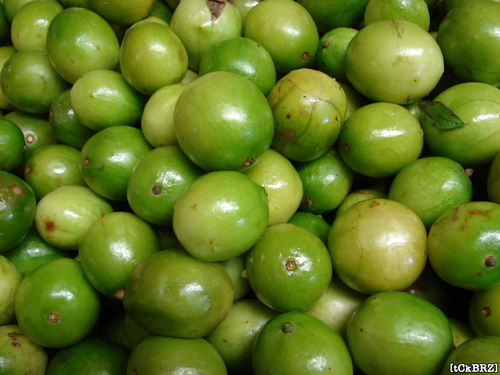
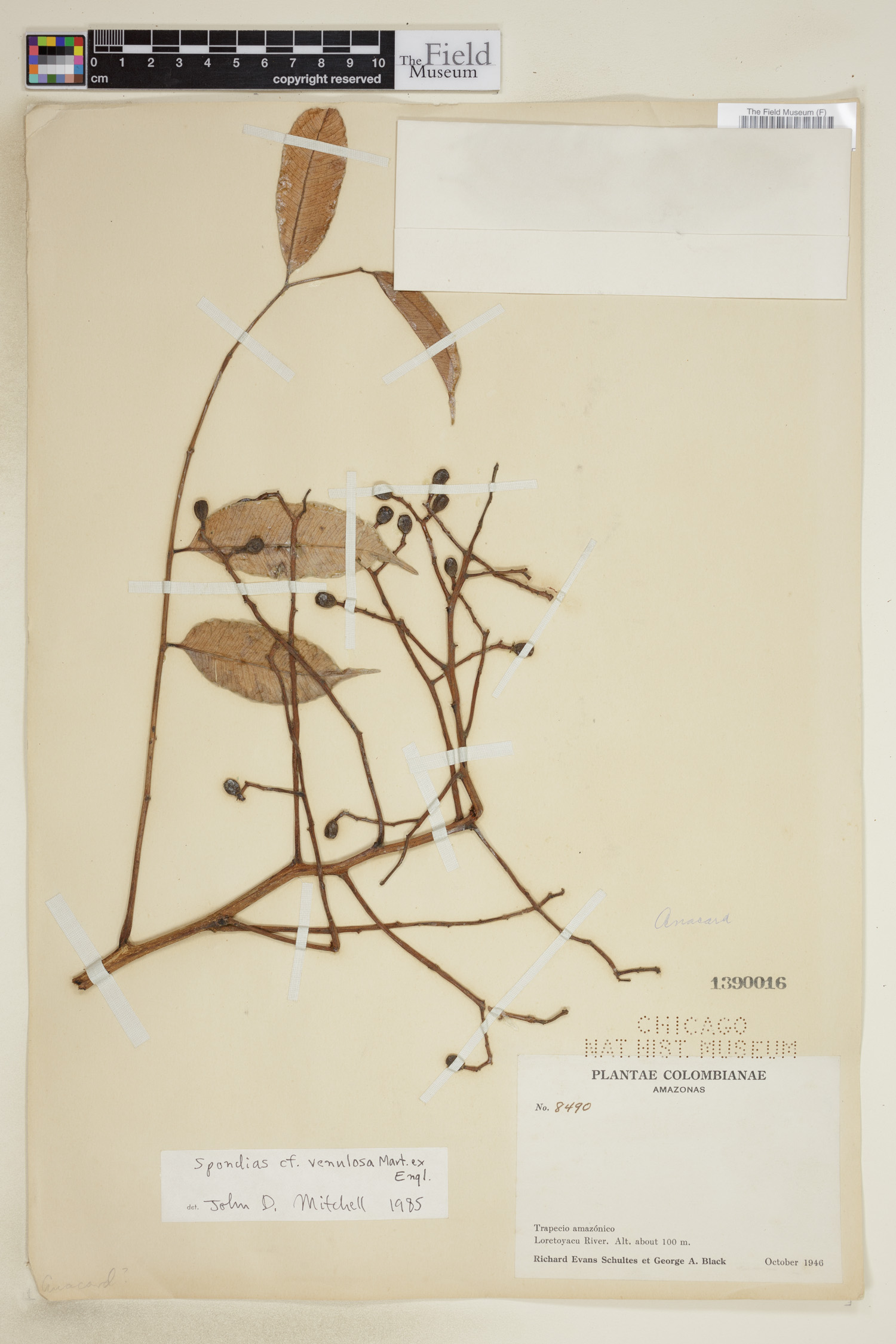
Pistacia chinensis
Bunge
Chinese pistachio
iNaturalist· cc-by-nc-sa
(c) 潘立傑 LiChieh Pan, some rights reserved (CC BY-NC-SA)
iNaturalist· cc-by-sa
(c) そらみみ, some rights reserved (CC BY-SA)
iNaturalist· cc-by-nc
(c) Andrew Payne, some rights reserved (CC BY-NC), uploaded by Andrew Payne
Summary
Source: WikipediaPistacia chinensis, the Chinese pistache (Chinese: 黄連木; pinyin: huángliánmù), is a small to medium-sized tree in the genus Pistacia in the cashew family Anacardiaceae, native to central and western China. This species is planted as a street tree in temperate areas worldwide due to its attractive fruit and autumn foliage.
Description
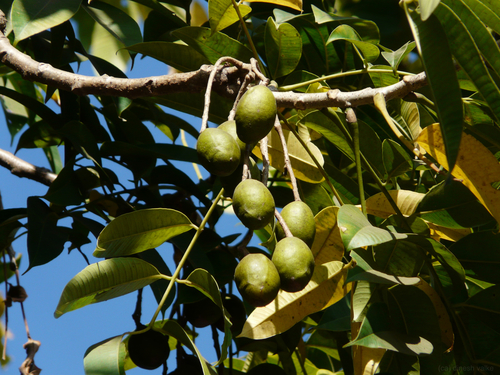
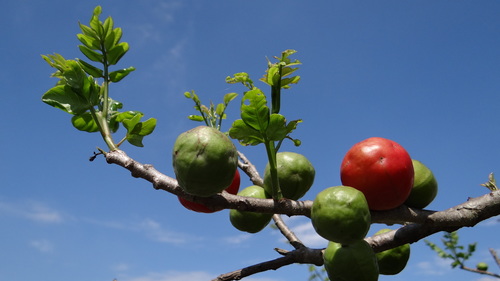
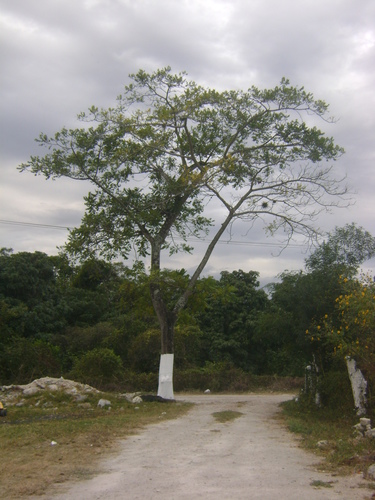
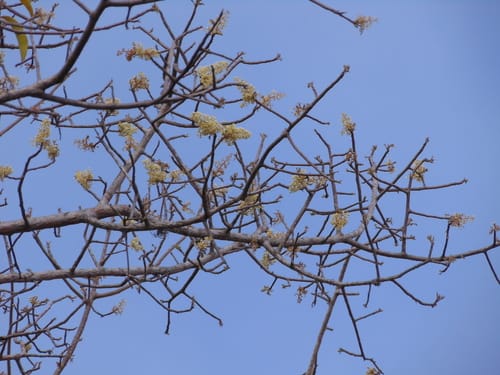
A large tree which loses its leaves. It grows 8-25 m high and spreads 4.5 m wide. The trunk can be 1 m across. It can have small buttresses. The leaves have leaflets along the stalk. There are 10-12 leathery leaflets which are dark green. They turn yellow or orange in the autumn. The flowers are small and near the ends of shoots. They are reddish. The fruit are reddish or bluish berries.
Edible Uses
Young shoots and leaves are cooked and used as a vegetable. The seed is also edible cooked — typically roasted before eating or used in confectionery.
Traditional Uses
The young shoots and leaves are cooked as a vegetable. They are also used for tea. The nuts are roasted and eaten. They are also used in confectionary.
Medicinal Uses
Resin from the related P. lentiscus is analgesic, antitussive, expectorant and sedative. It would be worthwhile examining this species for similar properties.
Distribution
A Mediterranean climate plant. It grows in mountain forests and on rocky soils between 100-3,600 m above sea level. It is drought resistant and tolerant of cold. It can grow in poor acid or alkaline soils. It suits hardiness zones 7-10. In Sichuan and Yunnan.
Where It Grows
Asia, Australia, Britain, Central Asia, China*, Europe, Fiji, Indonesia, Pacific, Pakistan, Philippines, SE Asia, Singapore, Taiwan, Tajikistan, Tibet,
Cultivation
Succeeds in an ordinary loamy soil and in dry soils. Requires a sunny position. This species is not hardy in the colder areas of the country, it tolerates temperatures down to between -5 and -10°c. A very ornamental tree. Any pruning that needs to be done is best carried out in the spring. This species strongly resents being transplanted, it should be planted out into its permanent position as young as possible and given some protection from winter cold for its first few winters outdoors. Dioecious, male and female plants must be grown if seed is required.
Propagation
Pre-soak the seed for 16 hours in alkalized water, or for 3–4 days in warm water, and sow in late winter in a cold frame or greenhouse. Two months of cold stratification may speed up germination, so sowing in early winter may be preferable. Germination is variable and can be slow. Prick out seedlings into individual pots when large enough to handle and grow on for at least their first winter under glass. Plant out into permanent positions in early summer, with some protection from winter cold advisable for the first year or two. Cuttings of half-ripe wood from juvenile trees can be taken in July and rooted in a frame. Layering is also possible.
Other Uses
The plant can be used as a rootstock for the pistachio nut, P. vera. A yellow dye can be obtained from the wood. The wood itself is hard and durable, used in furniture making and carpentry.
Production
In China plants flower in March to May and fruit August to November.
Other Information
It is a cultivated food plant.
Also Known As
Chinese pistache, Huanglianmu, Huang-lien-mu, Pohon pistasia cina, Shrawan, Yellow link tree
References (16)
- Ahmad, K. & Pieroni, A., 2016, Folk knowledge of wild food plants among the tribal communities of Thakht-e-Sulaiman Hills, North-West Pakistan. Journal of Ethnobiology and Ethnomedicine, 12:17
- Altschul, S.V.R., 1973, Drugs and Foods from Little-known Plants. Notes in Harvard University Herbaria. Harvard Univ. Press. Massachusetts. no. 2506
- Cundall, P., (ed.), 2004, Gardening Australia: flora: the gardener's bible. ABC Books. p 1053
- Hibbert, M., 2002, The Aussie Plant Finder 2002, Florilegium. p 235
- Hu, Shiu-ying, 2005, Food Plants of China. The Chinese University Press. p 518
Show all 16 references Hide references
- Kermath, B. M., et al, 2014, Food Plants in the Americas: A survey of the domesticated, cultivated and wild plants used for Human food in North, Central and South America and the Caribbean. On line draft. p 666
- Lord, E.E., & Willis, J.H., 1999, Shrubs and Trees for Australian gardens. Lothian. p 63
- Plants for a Future database, The Field, Penpol, Lostwithiel, Cornwall, PL22 0NG, UK. http://www.scs.leeds.ac.uk/pfaf/
- Ryan, S., 2008, Dicksonia. Rare Plants Manual. Hyland House. p 47
- Smith, A.C., 1985, Flora Vitiensis Nova: A New flora of Fiji, Hawai Botanical Gardens, USA Vol 3 p 458
- Sukarya, D. G., (Ed.) 2013, 3,500 Plant Species of the Botanic Gardens of Indonesia. LIPI p 454
- Tanaka,
- USDA, ARS, National Genetic Resources Program. Germplasm Resources Information Network - (GRIN). [Online Database] National Germplasm Resources Laboratory, Beltsville, Maryland. Available: www.ars-grin.gov/cgi-bin/npgs/html/econ.pl (10 April 2000)
- Valder, P., 1999, The Garden Plants of China. Florilegium. p 320
- Wiersema, J. H. & Leon, B., 2013, World Economic Plants. A Standard Reference CRC Press. 2nd Ed. p 536
- World Checklist of Useful Plant Species 2020. Royal Botanic Gardens, Kew