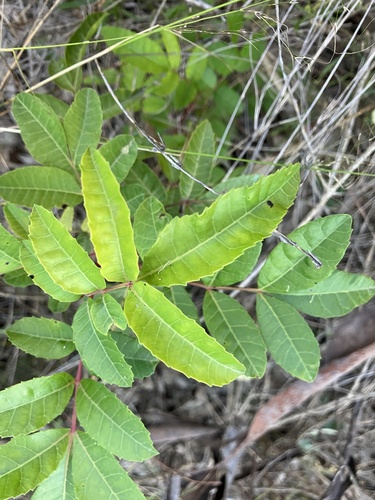
Pistacia mexicana
Kunth
Texas pistacio, Mexican pistacio
iNaturalist· cc-by-nc
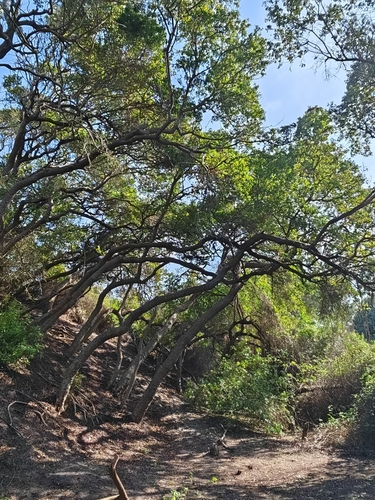
(c) Roberto González, some rights reserved (CC BY-NC), uploaded by Roberto González
iNaturalist· cc-by-nc
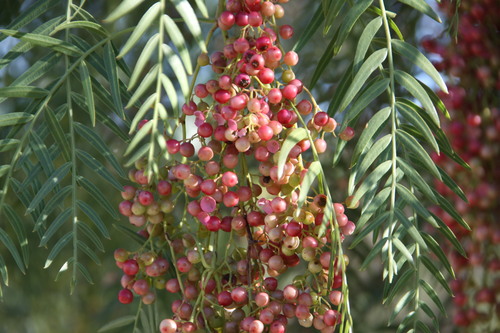
(c) Guillermo Rodriguez, some rights reserved (CC BY-NC), uploaded by Guillermo Rodriguez
iNaturalist· cc-by-nc-sa
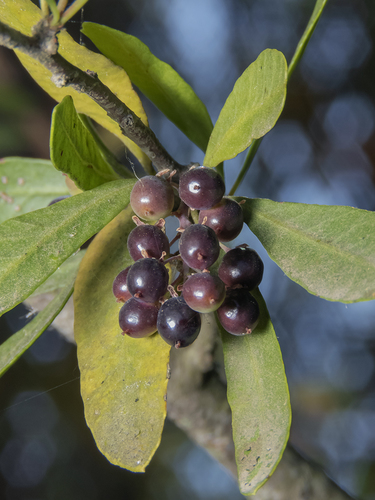
(c) c michael hogan, some rights reserved (CC BY-NC-SA), uploaded by c michael hogan
Summary
Source: WikipediaPistacia mexicana, also known as Mexican pistache, American pistachio or wild pistachio is a species of plant in the family Anacardiaceae found in Guatemala, Mexico, and the United States (Texas). It is threatened by habitat loss. Although goats browse the plant's leaves, the species is largely unimportant as a food source as the small seeds are often empty.
Description
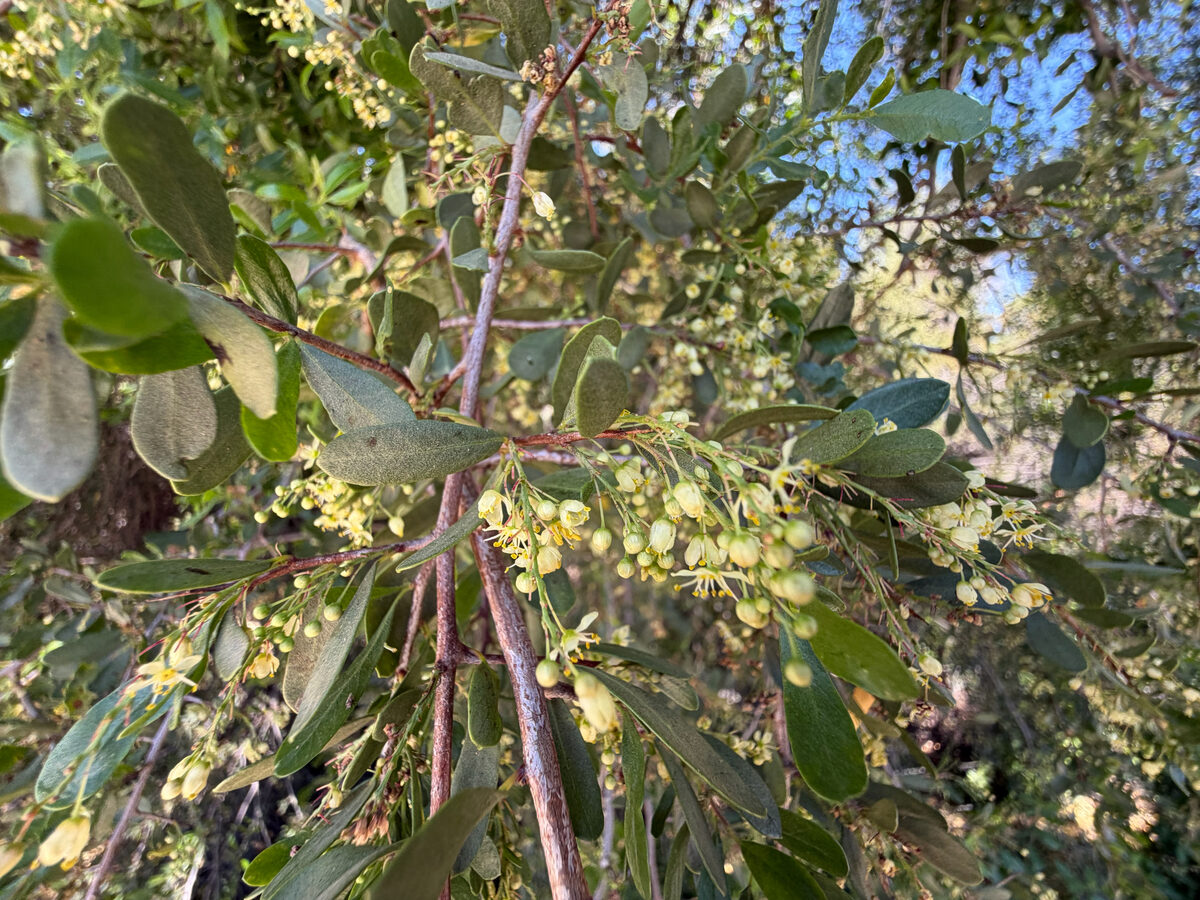
A small evergreen shrub or tree. It grows 9 m high and spreads 4.5 m wide. The branches are low down. The leaves are 5-10 cm long. The leaves have leaflets along the stalk. There are 10-22 leaflets. The leaflet at the end is smaller. The leaflets are about 12 mm long and curved and with unequal sides. Trees are separately male and female. The flowers are small and dark red. They are in branched clusters 6 cm long. The female trees produce fleshy, dark brown fruit. These are 5 mm long and nutlike. They contain one seed.
Edible Uses
Seed. The seeds are said to be edible (in Mexico), but they are even smaller than the small commercial pistachio seeds. The seeds are around 5mm long and 6mm wide.
Distribution
It is a tropical and subtropical plant. It grows on dry limestone cliffs and along ravines. It grows between 180-300 m altitude in SE region of USA. It is drought resistant. It suits hardiness zones 8-12.
Where It Grows
Australia, Central America, Guatemala, Mexico, North America, USA,
Cultivation
Pistacia species generally grow best in a sunny position in a deep, well-drained soil preferably of a light texture. The young foliage as well as the leaf rachis is often handsomely colored with purple-red.
Propagation
Pre-soak the seed for 16 hours in alkalized water, or for 3 - 4 days in warm water, and sow in individual containers. Two months cold stratification may speed up germination. The germination rate is variable, usually around 30%, and can be slow. Cuttings of half-ripe wood from juvenile trees. Layering.
Other Uses
This species is a secondary genetic relative of the cultivated Pistachio (Pistacia vera), and so it has the potential for use as a gene donor for crop improvement. A resin exudes from the branches.
Synonyms
Also Known As
American pistachio, Lentisco
References (8)
- Cundall, P., (ed.), 2004, Gardening Australia: flora: the gardener's bible. ABC Books. p 1053 (As Pistacia texana)
- Hedrick, U.P., 1919, (Ed.), Sturtevant's edible plants of the world. p 502
- F. W. H. A. von Humboldt et al., Nov. gen. sp. 7:17[folio]; 7:22[quarto], t. 608. 1824
- J. Arnold Arbor. 2:107. 1920 (As Pistacia texana)
- Little, E.L., 1980, National Audubon Society Field Guide to North American Trees. Alfred A. Knopf. p 547 (As Pistacia texana)
Show all 8 references Hide references
- Menninger, E.A., 1977, Edible Nuts of the World. Horticultural Books. Florida p 53
- Piedra-Malagón, E. M. et al, 2022, Edible native plants of the Gulf of Mexico Province. Biodiversity Data Journal 10: e80565 p 9
- Wickens, G.E., 1995, Edible Nuts. FAO Non-wood forest products. FAO, Rome. p 107 (Also as Pistacia texana)