Sonneratia ovata
Back.
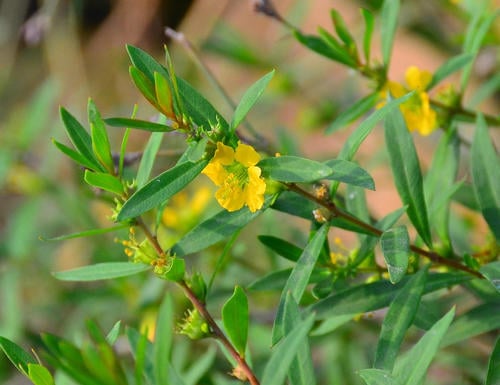
Mangrove apple
iNaturalist· cc-by-nc
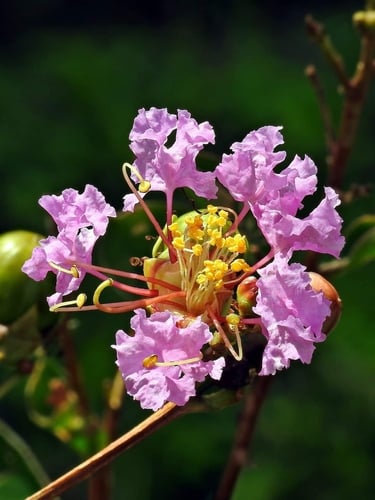
(c) Endro Setiawan, some rights reserved (CC BY-NC), uploaded by Endro Setiawan
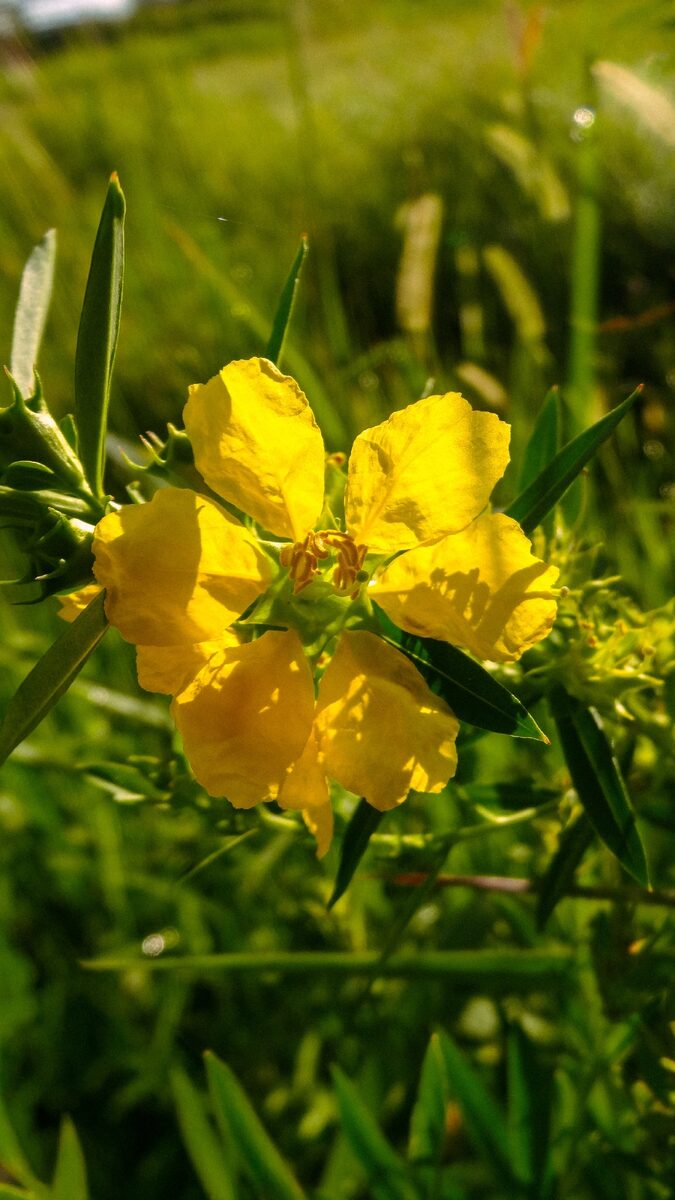
iNaturalist· cc-by-nc
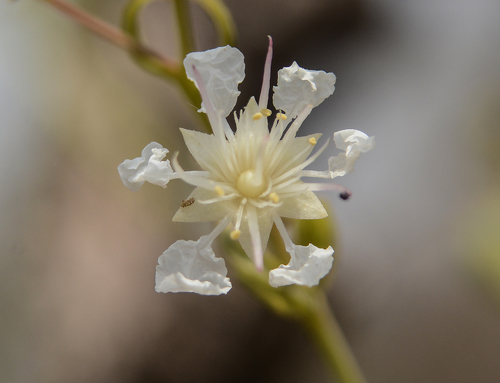
(c) HHinJE, some rights reserved (CC BY-NC)
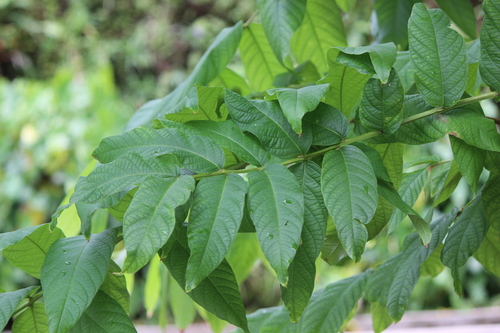
iNaturalist· cc-by-nc
(c) HHinJE, some rights reserved (CC BY-NC)
Summary
Source: WikipediaSonneratia ovata is a mangrove tree in the family Lythraceae. The specific epithet ovata is from the Latin meaning 'oval', referring to the shape of the leaf.
Description
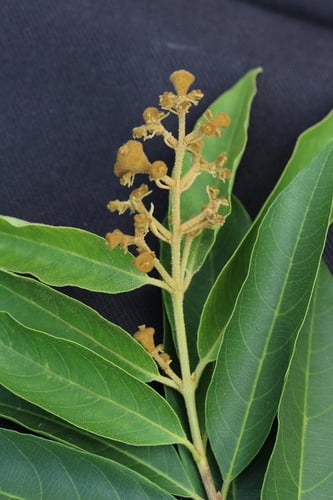
A small tree. It grows up to 10-20 m high. The trunk is 20-35 cm across. It forms branches low down. It has aerial roots. The bark is similar to guava. Young branches are 4-angled. The leaves are simple and produced opposite one another. The leaf is rounded and notched around the edge. Leaves are 4-8 cm long by 3-7 cm wide. There are 12-14 pairs of side veins. The veins are fine but distinct on both sides of the leaf surface. The leaf stalk is 4-6 mm long. The flowers occur in a flat topped arrangement at the end of branches. Three flowers occur together. The bud is rounded at the top and has small dots. The flower tube has 6 lobes. The flower does not have petals. The fruit is a berry 3-4 cm across and 2-3 cm high. The sepals hang on the fruit enabling it to float. The fruit are edible.
Edible Uses
The fruits are edible, though they taste very sour. Because of their acidity they are sometimes used as substitutes for vinegar.
Traditional Uses
The mature fruit is eaten. It is eaten as a salad.
This uses section is brief — help expand it
Medicinal Uses
The fermented juice is believed to check haemorrhages. The fruit is applied in poultices to relieve sprain.
Distribution
A tropical plant. It occurs in mangrove swamps. It is near the coast and on alluvial soil with often fresh or brackish water nearby. It grows on the landward edge of the mangrove swamps. It is found in the less salty parts of mangrove forests and never on coral banks.
Where It Grows
Andamans, Asia, Brunei, Cambodia, China, Indochina, Indonesia, Malaysia, Pacific, Papua New Guinea, PNG, SE Asia, Thailand, Vietnam,
Cultivation
The flowers are nocturnal, opening in the evening and falling off in the morning.
Other Uses
The bark contains tannin, but in amounts too small for commercial exploitation. The wood has been described as moderately hard to very hard and moderately heavy to heavy. The wood is used as firewood. The plant can be used to control erosion of tidal river banks.
Production
In Vietnam the plants flower in March and April and fruit from June to July.
Notes
The aerial roots are used for corks.
Also Known As
Ampea, Ban oi, Bogem, Gedabu, Kedabu, Lamphaen, Lapea, Perapat, Rogam
References (8)
- Argent, G et al, nd, Manual of the Larger and More important non Dipterocarp Trees of Central Kalimantan Indonesia. Volume 2 Forest Research Institute, Samarinda, Indonesia. p 604
- Castillo, C., 2013, The Archaeobotany of Khao Sam Kaeo and Phu Khao Thong: The Agriculture of Late Prehistoric Southern Thailand. Ph. D. thesis University College, London p 379
- Floyd, A.G., 1977, Ecology of the Tidal Forests in the Kikori-Romilly Sound Area Gulf of Papua. Ecology Report No 4 Division of Botany, Lae, Papua New Guinea. p 46
- Forest Inventory and Planning Institute, 1996, Vietnam Forest Trees. Agriculture Publishing House p 683
- Roy, S. D., et al, 2009, Mangroves of Andaman and Nicobar Islands. ICAR p 27
Show all 8 references Hide references
- Percival, M and Womersley, J,S., 1975, Floristics and Ecology of the Mangrove Vegetation of Papua New Guinea. Botany Bulletin No 8. Division of Botany. Lae, Papua New Guinea. p 85 (Drawing)
- Soepadmo, E. and Wong, K. M., 1995, Tree Flora of Sabah and Sarawak. Forestry Malaysia. Volume One. p 451
- World Checklist of Useful Plant Species 2020. Royal Botanic Gardens, Kew