Sonneratia apetala
Buch.-Ham.
iNaturalist· cc-by-nc
(c) biobank-lantauhk, some rights reserved (CC BY-NC), uploaded by biobank-lantauhk
iNaturalist· cc-by-nc
(c) emanon, some rights reserved (CC BY-NC)
Description
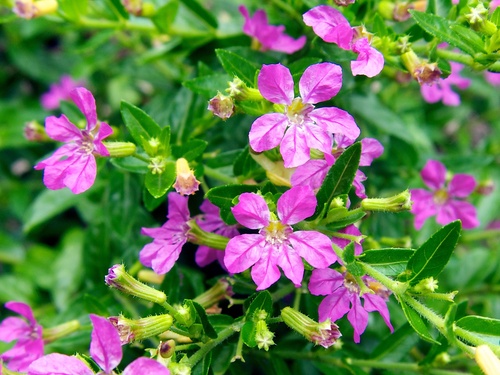
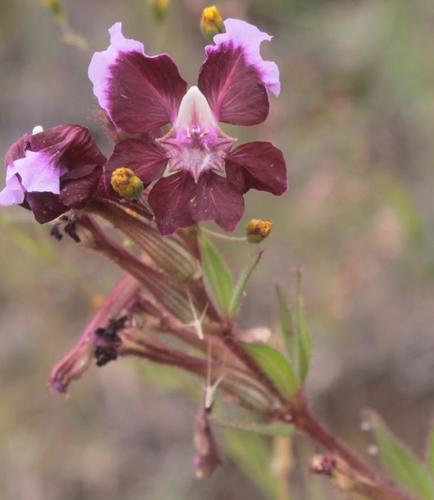
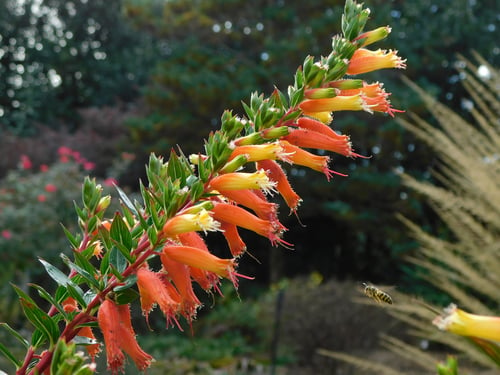
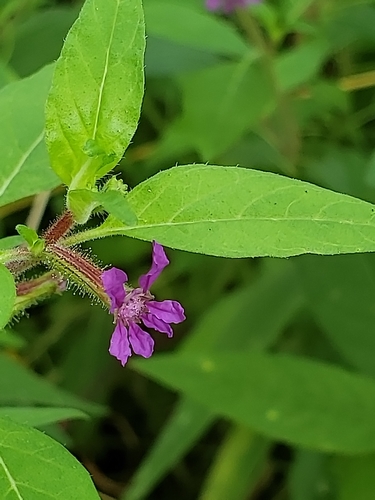
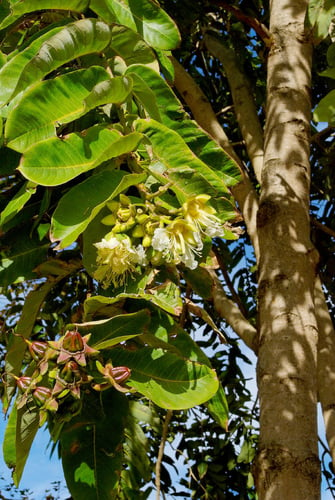
A tree. It is willow like. It grows 15 m tall. It has aerial roots 1.5 m long. The end branches hand down. The leaves are narrowly oval and taper to the tip. They are 5-13 cm long by 2-4 cm wide. The flowers are in groups of 3-7. They do not have petals. The fruit are 1-2 cm long by 2-3 cm wide. The seeds are U shaped.
Edible Uses
Fruit. A sour flavour. They are used to make pickles and vinegar, and also as vegetables. The fruit is extensively consumed by coastal communities in Bangladesh.
Traditional Uses
The fruit are eaten in curries. They are also eaten raw.
This uses section is brief — help expand it
Medicinal Uses
The leaves are used both internally and externally to treat a range of conditions including hepatitis, dysentery, sprains and bruises, open sores and eye problems[1705. Both the fruits and the bark have remedial activity against asthma, fevers, ulcer, swelling, sprains, bleeding, haemorrhages and piles. They are also used in the treatment of heart troubles. The fruits have antioxident, antibacterial, antifungal and astringent activity. The fruit juice is used as tonic and to treat diarrhoea. Traditionally fruits are used to treat gastrointestinal disorders. The seeds and pericarp have anthocyanins that limit the development of cancers, cardiovascular diseases, neurodegenerative diseases and diabetes. The bark extract has shown moderate antiinflamatory activity.
Distribution
A tropical plant. It grows in mangrove swamps. It grows in wetlands.
Where It Grows
Asia, Bangladesh, China, India, Indochina, Myanmar, SE Asia, Sri Lanka,
Cultivation
Sonneratia apetala is a plant of moist coastal areas in the tropics. It succeeds in areas where annual daytime temperatures range between 20 - 30°c, though it tolerates 10 - 35°c. It prefers a mean annual rainfall of 1,650 - 1,800mm, tolerating 1,300 - 3,000mm, and succeeds in areas with no dry season as well as those with a dry season. Requires a sunny position. Grows best in a heavy soil. The plant is usually found in silty-clay to sandt soils in the wild. Plants are very tolerant of saline conditions and maritime winds. Prefers a pH in the range 6.8 - 7.2, tolerating 6.5 - 7.5. If the tree is damaged by strong winds then the crown usually recovers very quickly - if the tree is blown over then it usually recovers quickly by producing coppice shoots. The plant usually starts producing seed when it is around 3 - 4 years old. The flowers are nocturnal, opening in the evening and falling off in the morning.
Propagation
Seed - it has a low viability of less than three months. The mature fruits should be harvested and then kept in sack for two weeks to allow the fleshy mesocarp to rot in order to collect the seeds. The fruits should then be gently crushed and the seeds, along with the debris, should be sown in a nursery bed. Germination usually takes 20 to 30 days. Pot up seedlings into containers of estuarine mud and water regularly. Plant out into permanent positions when around 50cm tall with at least 6 leaves.
Other Uses
The reddish brown wood is fine-grained, moderately strong, moderately heavy with a specific gravity 0.54 (air dried), and durable. It is suitable for structures requiring moderate strength though it is not suitable for quality furniture. It is used for making lower-grade furniture and also for boat building, panelling, board and box manufacturing. It is also used as raw material in match industry for the production of match sticks. The pneumatophores are used for cork manufacturing and also for decorative purposes. The wood is widely used locally as a fuel. A very important tree in the coastal swamp community, helping to protect the soil from erosion and providing an important habitat for wildlife. It is a fast-growing, pioneering species that colonizes on newly formed mudflats, and has been widely planted for the reforestation of mangrove communities and stabilization of newly acreted mud flats. The flowers are a good source of nectar for bees.
Production
It is fast growing.
Notes
Also put in the family Sonneratiaceae.
Also Known As
Kandal, Keora, Kerua, Keruan, Kyalanki, Marama, Undi
References (5)
- Ambasta, S.P. (Ed.), 2000, The Useful Plants of India. CSIR India. p 584
- BARC, 2016, State of Biodiversity for Food and Agriculture in Bangladesh. Bangladesh Agricultural Research Council.
- Mishra, N., et al, 2016, Indigenous knowledge in utilization of wetland plants in Bhadrak district, Odisha, India. Indian Journal of Natural Products and Resources. Vol. 7(1) pp. 82-89
- Pattanaik. C., et al, 2008, Utilisation of mangrove forests in Bhitarkanika wildlife sanctuary, Orissa. Indian Journal of Traditional Knowledge. 7(4): 598-603
- Singh, H.B., Arora R.K.,1978, Wild edible Plants of India. Indian Council of Agricultural Research, New Delhi. p 86