Sonchus brachyotus
DC.
Bitter sow-thistle
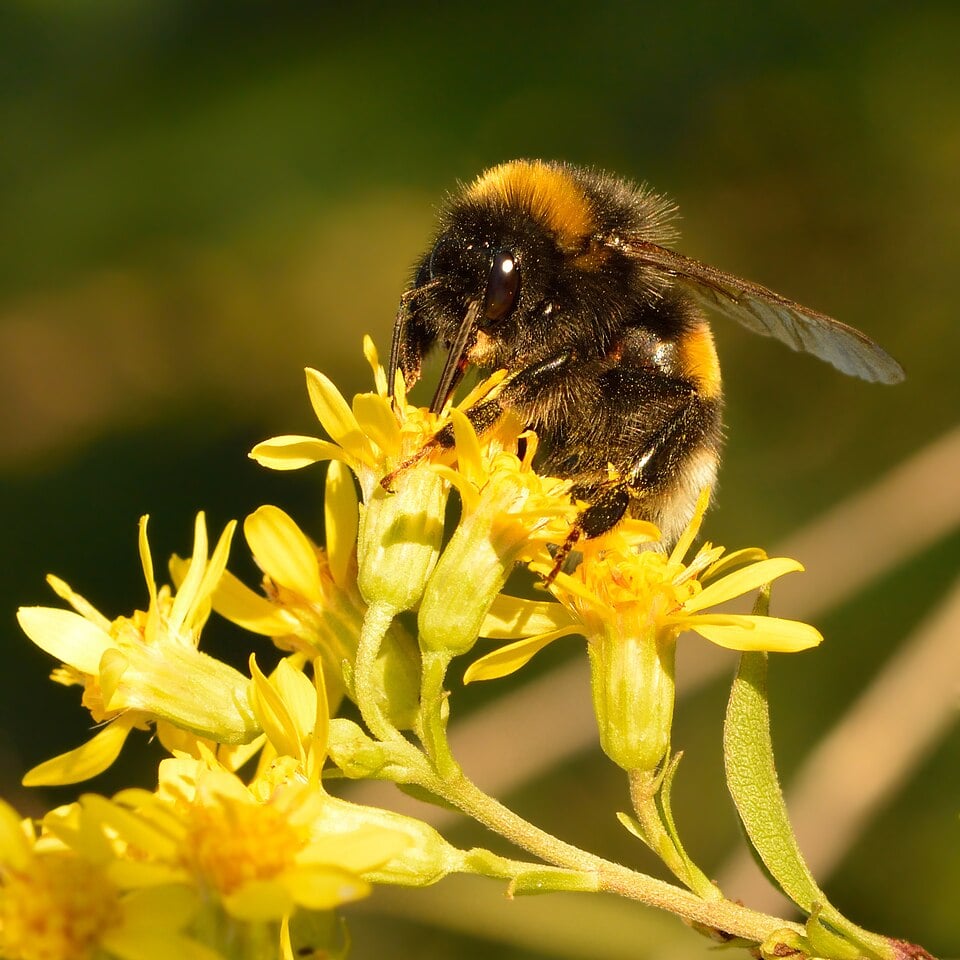
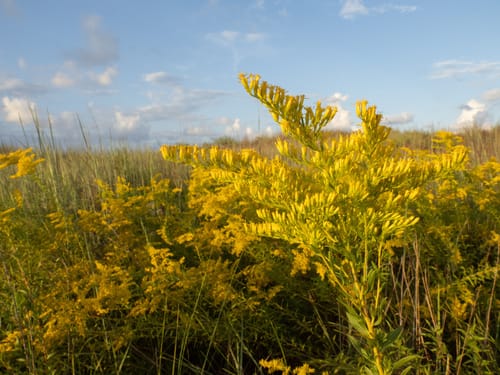
iNaturalist· cc-by-nc
(c) Chuangzao, some rights reserved (CC BY-NC), uploaded by Chuangzao
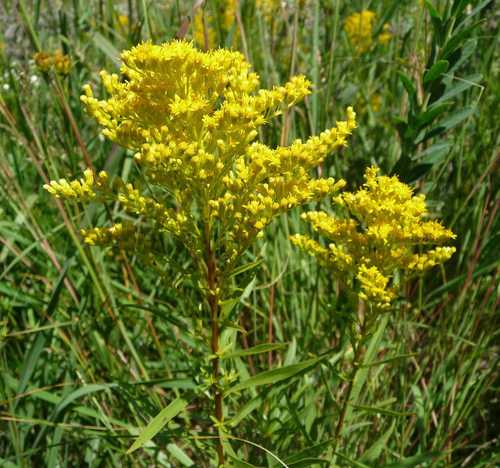
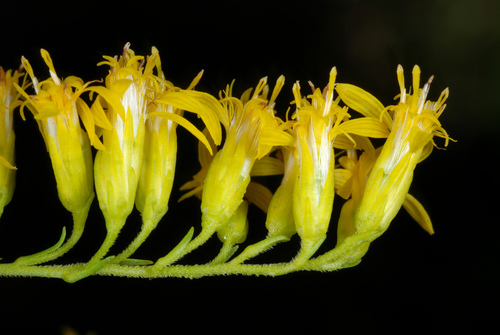
iNaturalist· cc-by-nc
(c) Chuangzao, some rights reserved (CC BY-NC), uploaded by Chuangzao
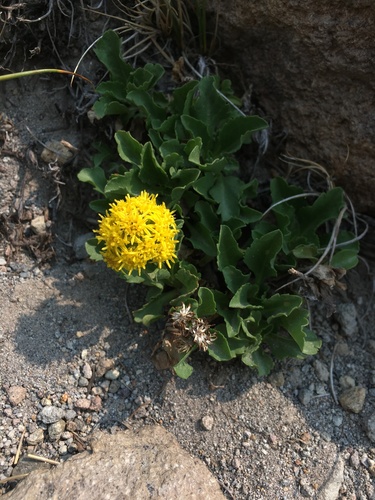
iNaturalist· cc-by-nc
(c) biokrebs, some rights reserved (CC BY-NC)
Summary
Source: WikipediaSonchus brachyotus is an Asian species of plant in the tribe Cichorieae within the family Asteraceae. It is widespread across much of northern Asia, found in Japan, Korea, China, Russia, Mongolia, Thailand, Kazakhstan, Caucasus, Kyrgyzstan, etc. Sonchus brachyotus is a perennial herb up to 100 cm tall. It produces flat-topped arrays of several flower heads, each head with 170-300 yellow ray flowers but no disc flowers. It grows on grassy slopes on mountains and alongside rivers.
Description
A herb. It keeps growing from year to year. It grows 30-60 cm high. It has underground stems or rhizomes. These are 3-5 cm long. The bud at the end produces a ring of leaves and an erect stem. The leaves are light green and often have purple spots. The leaves at the base are sword shaped and 10-20 cm long by 2-6 cm wide. They have spines or teeth along the edge. The leaves on the stems are ear shaped. The flowers are yellow.
Edible Uses
Young leaves and stem tops can be eaten raw or cooked. The root can also be eaten cooked.
Traditional Uses
The young ring of leaves are washed, drained mixed with wheat flour, steamed, cooled and seasoned with mashed garlic, chopped onion, salt and vinegar and soysauce. They are eaten with curry. The harvested leaves can be stored for 3-4 days.
Medicinal Uses
A decoction of the whole plant is used to treat stomach problems, dermatitis, inflammation, and ulcers.
Distribution
It is a temperate plant. It grows in poor alkaline soils on dry slopes. In China it grows in alkaline areas between 300-4,000 m above sea level. In Sichuan and Yunnan.
Where It Grows
Asia, Central Asia, China, India, Indochina, Japan, Kazakhstan, Korea, Kyrgyzstan, Mongolia, Northeastern India, Russia, SE Asia, Siberia, Thailand, Tibet,
Cultivation
We have very little information on this species and do not know if it will succeed in Britain, though judging by its native range it should succeed outdoors in most parts of the country. The following notes are based on the general needs of the genus. Succeeds in most soils in a sunny position.
Propagation
Sow seed in spring directly in situ. The plant can also be propagated by division in spring.
Other Uses
Miscellany None known Special Uses
Other Information
It is popular.
Notes
There are about 60 Sonchus species.
Synonyms
Also Known As
Kochi hama, Moiri thiki, Paku hadu hammang, Sadhi, Sahadevi
References (12)
- Baro, D., Baruah, S. and Borthukar, S. K. 2015, Documentation on wild vegetables of Baksa district, BTAD (Assam). Scholars Research Library. Archives of Applied Science Research, 2015, 7 (9):19-27
- "Chinese Nutrition Journal", 2002, Vol 23(8) p 298 (As Sonchus brachgotun)
- Dutta, U., 2012, Wild Vegetables collected by the local communities from the Churang reserve of BTD, Assam. International Journal of Science and Advanced Technology. Vol. 2(4) p 124
- Hu, Shiu-ying, 2005, Food Plants of China. The Chinese University Press. p 746
- Hwang, H., et al, 2013, A Study on the Flora of 15 Islands in the Western Sea of Jeollanamdo Province, Korea. Journal of Asia-Pacific Biodiversity Vol. 6, No. 2 281-310
Show all 12 references Hide references
- Patiri, B. & Borah, A., 2007, Wild Edible Plants of Assam. Geethaki Publishers. p 73
- Plants for a Future database, The Field, Penpol, Lostwithiel, Cornwall, PL22 0NG, UK. http://www.scs.leeds.ac.uk/pfaf/
- Prodr. 7:186. 1838
- Sarma, H., et al, 2010, Updated Estimates of Wild Edible and Threatened Plants of Assam: A Meta-analysis. International Journal of Botany 6(4): 414-423
- Srivastava, R. C., et al, 2010, Indigenous biodiversity of Apatani plateau: Learning on biolcultural knowledge of Apani tribe of Qrunachal Pradesh for sustainable livelihoods. Indian Journal of Traditional Knowledge 9(3): 432-442
- Urgamal, M., Oyuntsetseg, B., Nyambayar, D. & Dulamsuren, Ch. 2014. Conspectus of the vascular plants of Mongolia. (Editors: Sanchir, Ch. & Jamsran, Ts.). Ulaanbaatar, Mongolia. “Admon“ Press. 334pp. (p. 199-230).
- Wild edible plants of Himachal Pradesh