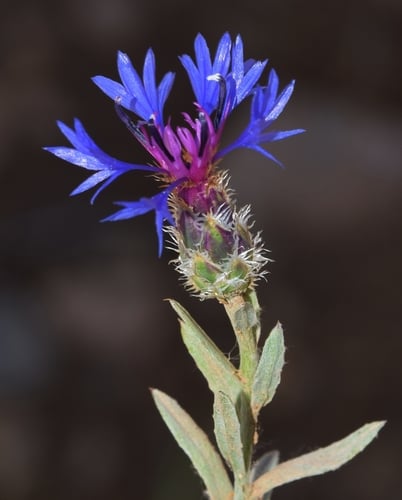
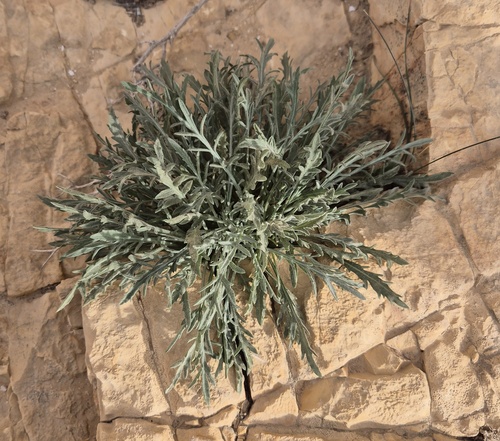
Crepis vesicaria subsp. taraxicifolia
(Thuill.) Thell.
Beaked hawk's beard
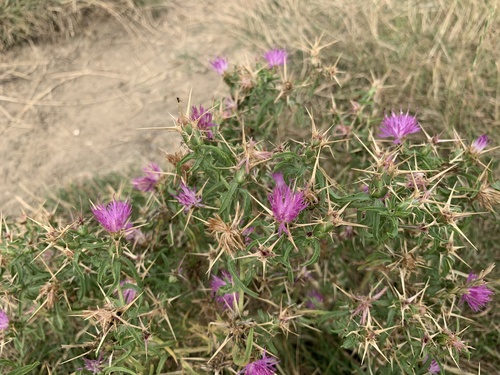
iNaturalist· cc-by-nc
(c) Alexandre H. Leitão, some rights reserved (CC BY-NC), uploaded by Alexandre H. Leitão
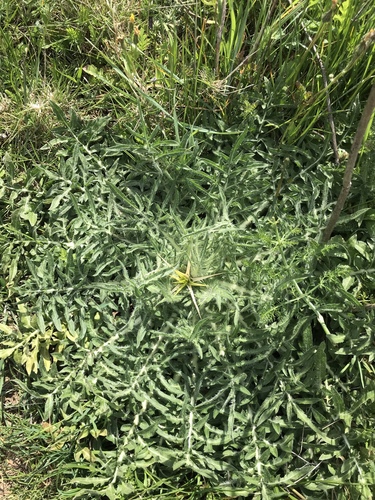
iNaturalist· cc-by-nc-sa
(c) José María Escolano, some rights reserved (CC BY-NC-SA)
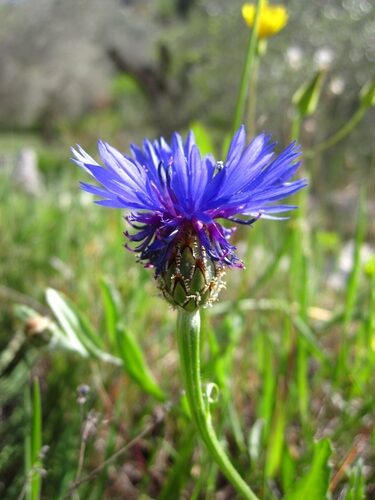
iNaturalist· cc-by-nc
(c) malecadu, some rights reserved (CC BY-NC)
Summary
Source: WikipediaCrepis vesicaria is a European species of flowering plant in the family Asteraceae with the common name beaked hawk's-beard. It is native to the Western and Southern Europe from Ireland and Portugal east as far as Germany, Austria, and Greece. It became naturalized in scattered locations in North America. Crepis vesicaria is an annual, biennial, or perennial herb up to 120 cm (48 inches or 4 feet) tall, producing a large underground caudex. Each plant can have as many as 20 flower heads, each with up to 70 ray florets but no disc florets. It grows on hillsides and in sandy clearings. A prominent plant, Crepis vesicaria stands erect, with many branches, each ending in its own dandelion-like flower. The underside of the flower has two layers of leaf-like phyllaries. The inner layer is longer and pointed, and often curls back away from the rest of the flower head. The outer layer is substantially shorter. The plant is a source of helenynolic acid, a rare fatty acid.
Description
A herb. It can take one or two years to complete its lifecycle. It grows 1.25 m tall. The leaves are in a ring at the base. They are 10-35 cm long by 2-8 cm wide. The leaves on the stem are narrowly sword shaped.
Edible Uses
The young leaves are eaten raw, used in stews, fried in omelettes, or cooked in other dishes.
Traditional Uses
The young leaves are eaten raw or used in stews. They are fried and used in omelettes.
This uses section is brief — help expand it
Distribution
It is a temperate and Mediterranean plant. In Argentina it grows below 500 m above sea level.
Where It Grows
Argentina, Chile, Europe, Hawaii, Italy, Mediterranean, Pacific, Sicily, South America, Spain, Switzerland,
Synonyms
Also Known As
Achiocoria, Lecherina
References (6)
- Biscotti, N. et al, 2018, The traditional food use of wild vegetables in Apulia (Italy) in the light of Italian ethnobotanical literature. Italian Botanist 5:1-24
- Blanco-Salas, J., et al, 2019, Wild Plants Potentially Used in Human Food in the Protected Area “Sierra Grande de Hornachos” of Extremadura (Spain). Sustainability 2019, 11, 456 (As Crepis vesicaria L. subsp. haenseleri)
- Geraci, A., et al, 2018, The wild taxa utilized as vegetables in Sicily (Italy): a traditional component of the Mediterranean diet. Journal of Ethnobiology and Ethnomedicine (2018) 14:14 (Also as Crepis vesicaria L. subsp. haenseleri)
- Gonzalez, J. A., et al, 2011, The consumption of wild and semi-domesticated edible plants in the Arribes del Duero (Salamanca-Zamora, Spain): an analysis of traditional knowledge. Genetic. Resour Crop Evolution 58:991-1006 (As Crepis vesicaria L. subsp. haenseleri)
- Luczaj, L. et al, 2012, Wild food plant use in 21st century Europe: the disappearance of old traditions and the search for new cuisines involving wild edibles. Acta Soc Bot Pol 81(4):359–370 (As Crepis vesicaria L. subsp. haenseleri)
Show all 6 references Hide references
- Sansanelli, S., et al, 2014, Wild food plants traditionall consumed in the area of Bologna (Emilia Romagna region, Italy). Journal of Ethnobiology and Ethnomedicine 10:69