Crepis zacintha
(L.) Babc.
iNaturalist· cc-by-nc
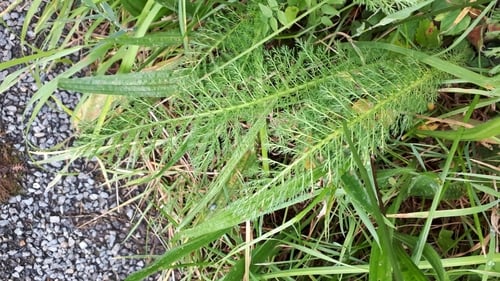
(c) sehnature, some rights reserved (CC BY-NC)
iNaturalist· cc-by-nc
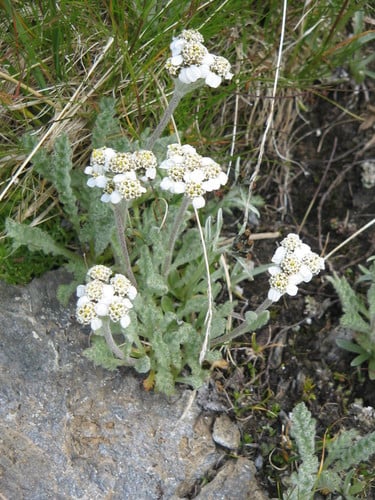
(c) sehnature, some rights reserved (CC BY-NC)
iNaturalist· cc-by
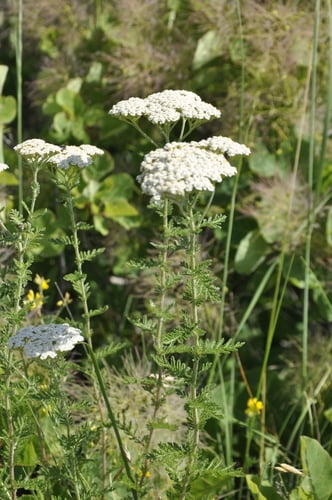
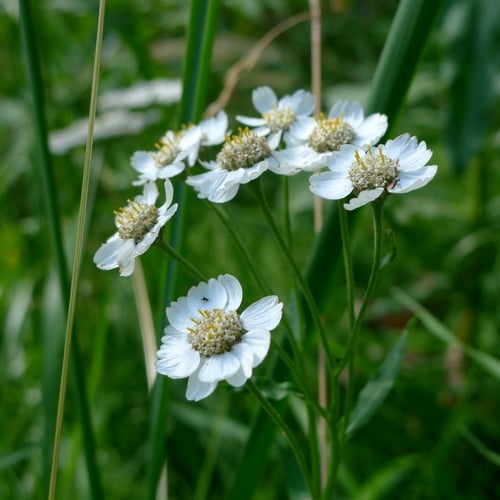
(c) Sam Kieschnick, some rights reserved (CC BY), uploaded by Sam Kieschnick
Summary
Source: WikipediaCrepis zacintha, the striped hawksbeard, is a plant species native to southern Europe (Greece, Italy, Albania, Bulgaria, etc.) but now naturalized on roadsides and other disturbed sites in Texas, Israel, Cyprus, and the United Kingdom. Crepis zacintha is an annual herb up to 30 cm (12 inches) tall, often branching above ground. Heads are solitary in the axils of branches. Each head has up to 30 ray florets, yellow with a reddish tinge on the back. There are no disc florets.
Description
A fast-growing annual reaching 0.3 meters tall by 0.1 meters wide, hardy to UK zone 7. Flowers are insect-pollinated. Grows in light, medium, and heavy soils, including nutritionally poor and well-drained soils, across mildly acid to basic pH. Requires full sun and tolerates both dry and moist conditions including drought.
Edible Uses
The leaves are used as wild edible greens.
Traditional Uses
The leaves are used raw or lightly boiled.
This uses section is brief — help expand it
Medicinal Uses
None known
Distribution
It is a Mediterranean climate plant.
Where It Grows
Balkans, Bosnia, Croatia, Europe, Italy, Mediterranean, Slovenia,
Propagation
Propagate by seed.
Other Uses
None known
Synonyms
Also Known As
Bradavičasti dimek, Zucenica
References (4)
- Biscotti, N. et al, 2018, The traditional food use of wild vegetables in Apulia (Italy) in the light of Italian ethnobotanical literature. Italian Botanist 5:1-24
- Dolina, K. & Luczaj, L., 2014, Wild food plants used on the Dubrovnik coast (south-eastern Croatia) Acta Soc Bot Pol 83(3):175–181
- Luczaj et al, 2013, Wild vegetable mixes sold in the markets of Dalmatia (southern Croatia). Journal of Ethnobiology and Ethnomedicine. 8:2
- Luczaj, L. et al, 2014, Wild Food Plants of Dalmatia (Croatia). in A. Pieroni, C. L. Quave (eds.), Ethnobotany and Biocultural Diversities in the Balkans, p 142