Solanum verbascifolium
L.
Takafo susu ngwae
iNaturalist· cc-by
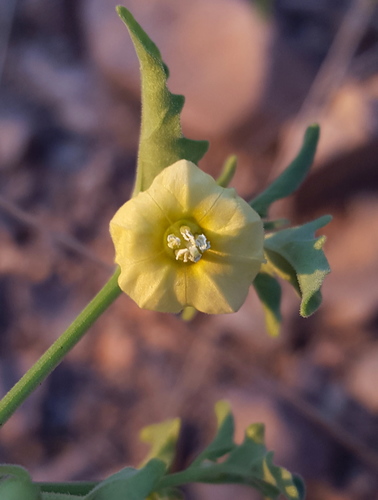
(c) Jay Horn, some rights reserved (CC BY)
iNaturalist· cc-by
(c) Jay Horn, some rights reserved (CC BY)
iNaturalist· cc-by
(c) Jay Horn, some rights reserved (CC BY)
Description
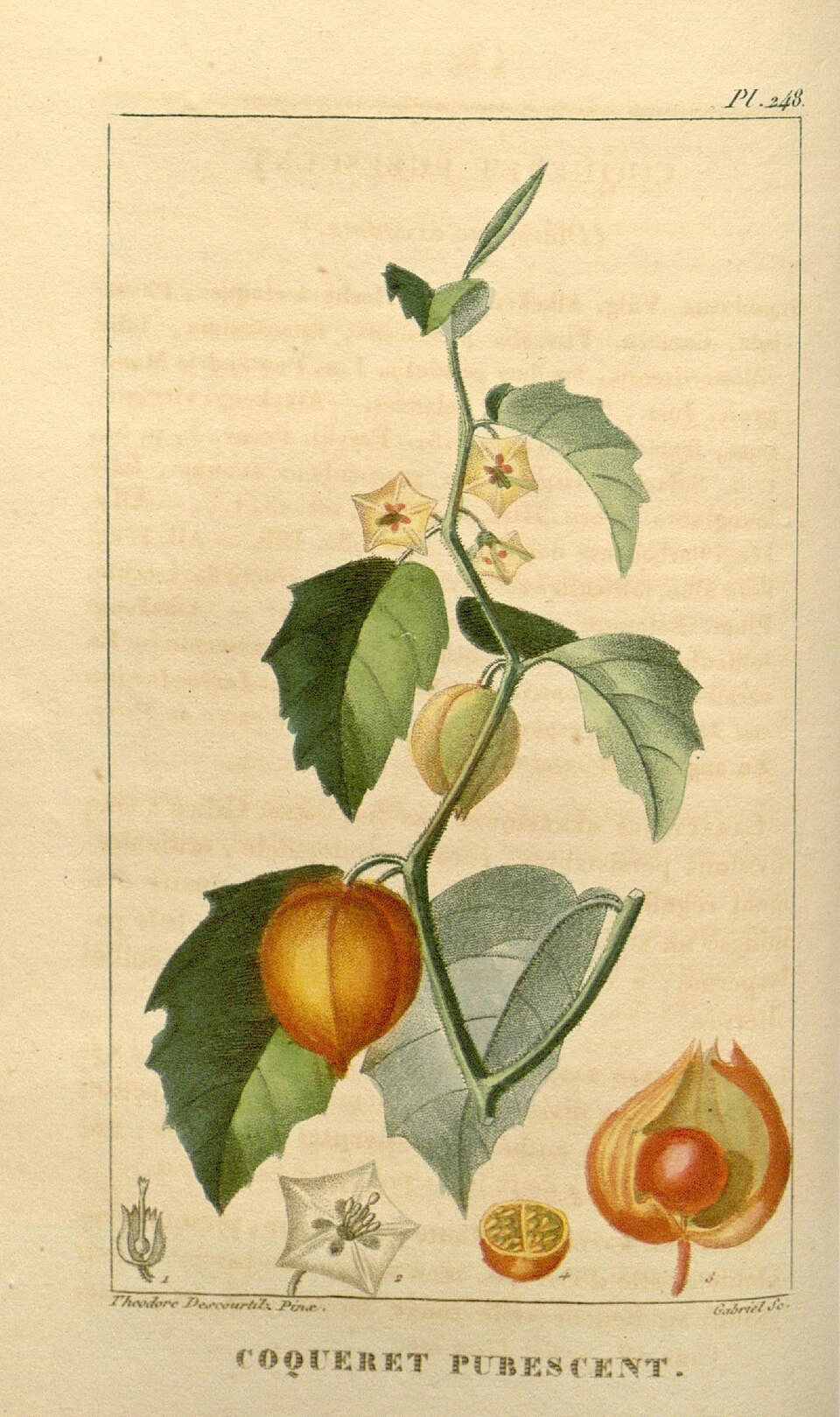
A shrub. It can grow for a few years. It grows 1 to 6 m tall. It is slightly woody. It is without thorns. The stems give off a smell. The leaves are long and 8-20 x 5-9 cm. The leaves are white underneath. They are soft and hairy. The flowers are white and on long stalks. The berry is 10-13 mm across. It is round and green but finally turns yellow. It has many seeds. It is something like eggplant.
Edible Uses
The ripe fruit are eaten cooked. The fruit are also used to make a fermented drink.
Traditional Uses
The fruit are used to make a fermented drink. The ripe fruit are eaten cooked. Caution should probably be used with raw fruit.
This uses section is brief — help expand it
Medicinal Uses
It is used in medicine.
Known Hazards
Caution should be used with raw fruit.
Distribution
A tropical plant. It occurs widely in the tropics in Asia and the Pacific. It grows in forest and open space. In Yunnan.
Where It Grows
Asia, Australia, Benin, China, Himalayas, India, Indochina, Indonesia, Laos, Malaysia, Myanmar, Northeastern India, Pacific, Papua New Guinea, PNG, SE Asia, Solomon Islands, Thailand, Tonga, West Africa,
Notes
There are about 1400 Solanum species. It is used in medicine.
Synonyms
Also Known As
Ashetu, Ban-tamaku, Daun sangsara, Daun telinga kerbau, Ka tai, Miqzal' albaol, Sekasap, Takafe, Taungoko, Terong belah, Terong pipit, Terong raya, Terong rimba, Teter
References (13)
- Achigan-Dako, E, et al (Eds), 2009, Catalogue of Traditional Vegetables in Benin. International Foundation for Science.
- Arora, R. K., 2014, Diversity in Underutilized Plant Species - An Asia-Pacific Perspective. Bioversity International. p 51
- Bodkin, F., 1991, Encyclopedia Botanica. Cornstalk publishing, p 935
- Burkill, I.H., 1966, A Dictionary of the Economic Products of the Malay Peninsula. Ministry of Agriculture and Cooperatives, Kuala Lumpur, Malaysia. Vol 2 (I-Z) p 2085
- Davis, S.D., Heywood, V.H., & Hamilton, A.C. (eds), 1994, Centres of plant Diversity. WWF. Vol 1 or 2. p 99
Show all 13 references Hide references
- French, B.R., 2010, Food Plants of Solomon Islands. A Compendium. Food Plants International Inc. p 388
- GRIN (Considered a synonym of Solanum donianum Walp.)
- Hani Medicine of Xishuangbanna, 1999, p 483
- Henderson, C.P. and I.R.Hancock, 1988, A Guide to the Useful Plants of the Solomon Islands. Res. Dept. Min of Ag. & Lands. Honiara, Solomon Islands. p 103
- Henty, E.E., & Pritchard, G.S., 1973, Weeds of New Guinea and their control. Botany Bulletin No 7, Division of Botany, Lae, PNG. p 151
- Peekel, P.G., (Trans. Henty, E., 1984), Flora of the Bismarck Archipelago, Division of Botany, PNG. P 495.
- Sp. pl. 1:184. 1753, nom. rej. - a rejected name (nomen utique rejiciendum) under ICBN Art. 56 that is unavailable for use\; S. verbascifolium sensu L. = S. donianum Walp.\; non S. verbascifolium auct. (= S. erianthum)
- Yuncker, T.G., 1959, Plants of Tonga, Bernice P. Bishop Museum, Hawaii, Bulletin 220. p 238