Solanum viarum
Dunal
iNaturalist· cc-by
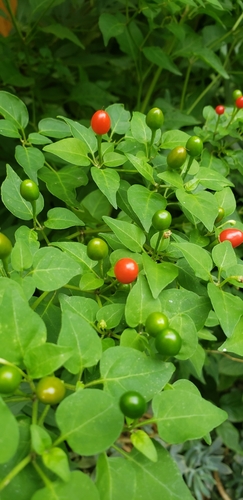
(c) J. Jeffrey Mullahey, University of Florida, Bugwood.org, some rights reserved (CC BY)
iNaturalist· cc-by-nc
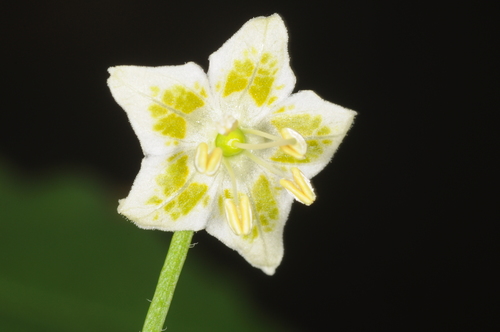
(c) The Leach, some rights reserved (CC BY-NC), uploaded by The Leach
iNaturalist· cc-by-nc
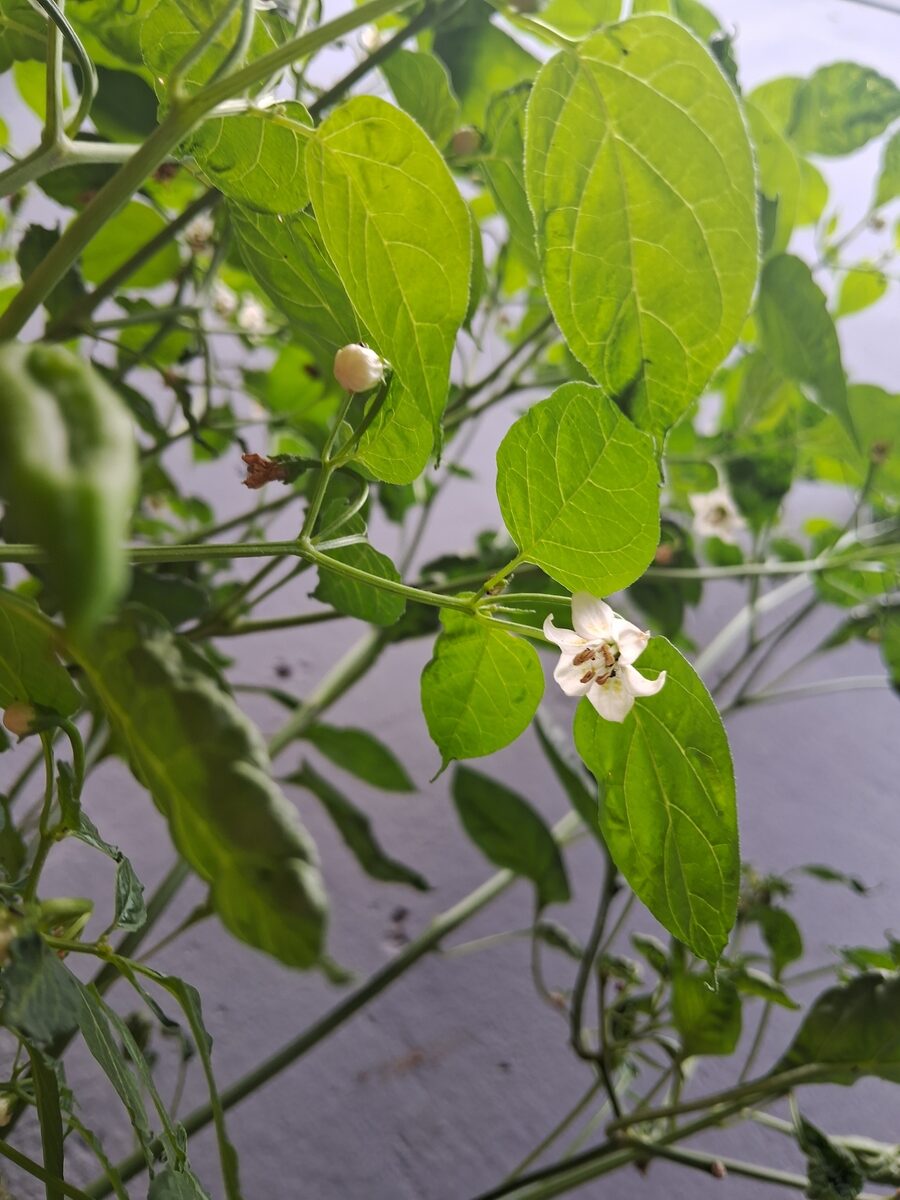
(c) jsharpe96, some rights reserved (CC BY-NC), uploaded by jsharpe96
Summary
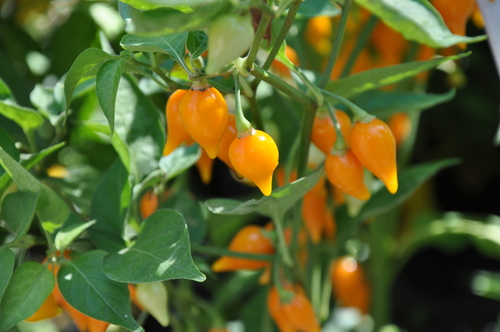
Source: WikipediaSolanum viarum, the tropical soda apple, is a species of perennial shrub native to Brazil and Argentina with a prickly stem and prickly leaves. The fruit is golf-ball-sized with the coloration of a watermelon. It is considered an invasive species in the lower eastern coastal states of the United States and more recently in New South Wales and Queensland in Australia (first being spotted on the Mid North Coast in 2010).
Description
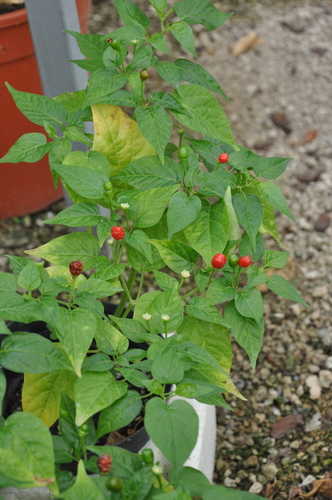
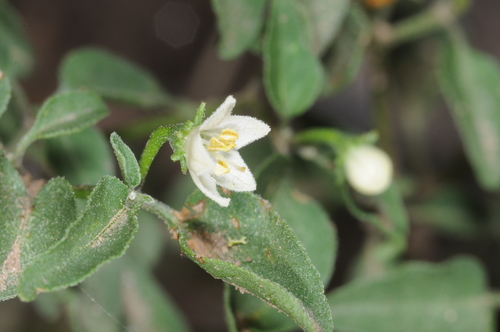
A stout undershrub. It grows up to 1.2 m tall. The young parts have dense yellow hairs. They are prickly. The leaves are oval and have lobes. They are prickly on both surfaces. The flowers are in groups of a few. The flowers are 1 cm across. The fruit are round and 2.5 cm across.
Edible Uses
The leaves and fruit are eaten as a vegetable.
Traditional Uses
The leaves and fruit are eaten as a vegetable.
This uses section is brief — help expand it
Distribution
It is a tropical plant. In SW China it grows between 1,400-2,200 m above sea level. In Yunnan.
Where It Grows
Africa, Argentina, Asia, Chile, China, Colombia, India, Myanmar, North America, Northeastern India, SE Asia, Sikkim, South America*, Tibet, USA,
Synonyms
Also Known As
Hati-bhekuri, Junglee bey, Tit-bhekuri
References (2)
- Patiri, B. & Borah, A., 2007, Wild Edible Plants of Assam. Geethaki Publishers. p 92
- Samuels, J., 2015, Biodiversity of Food Species of the Solanaceae Family: A Preliminary Taxonomic Inventory of Subfamily Solanoideae. Resources 2015, 4. 277-322