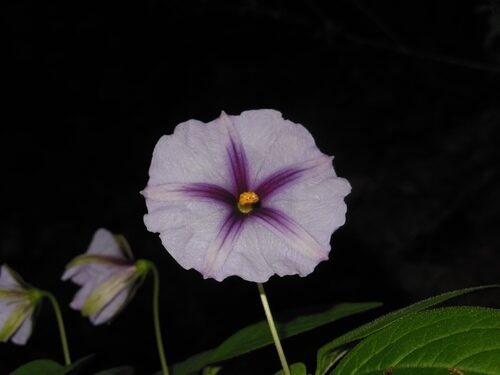
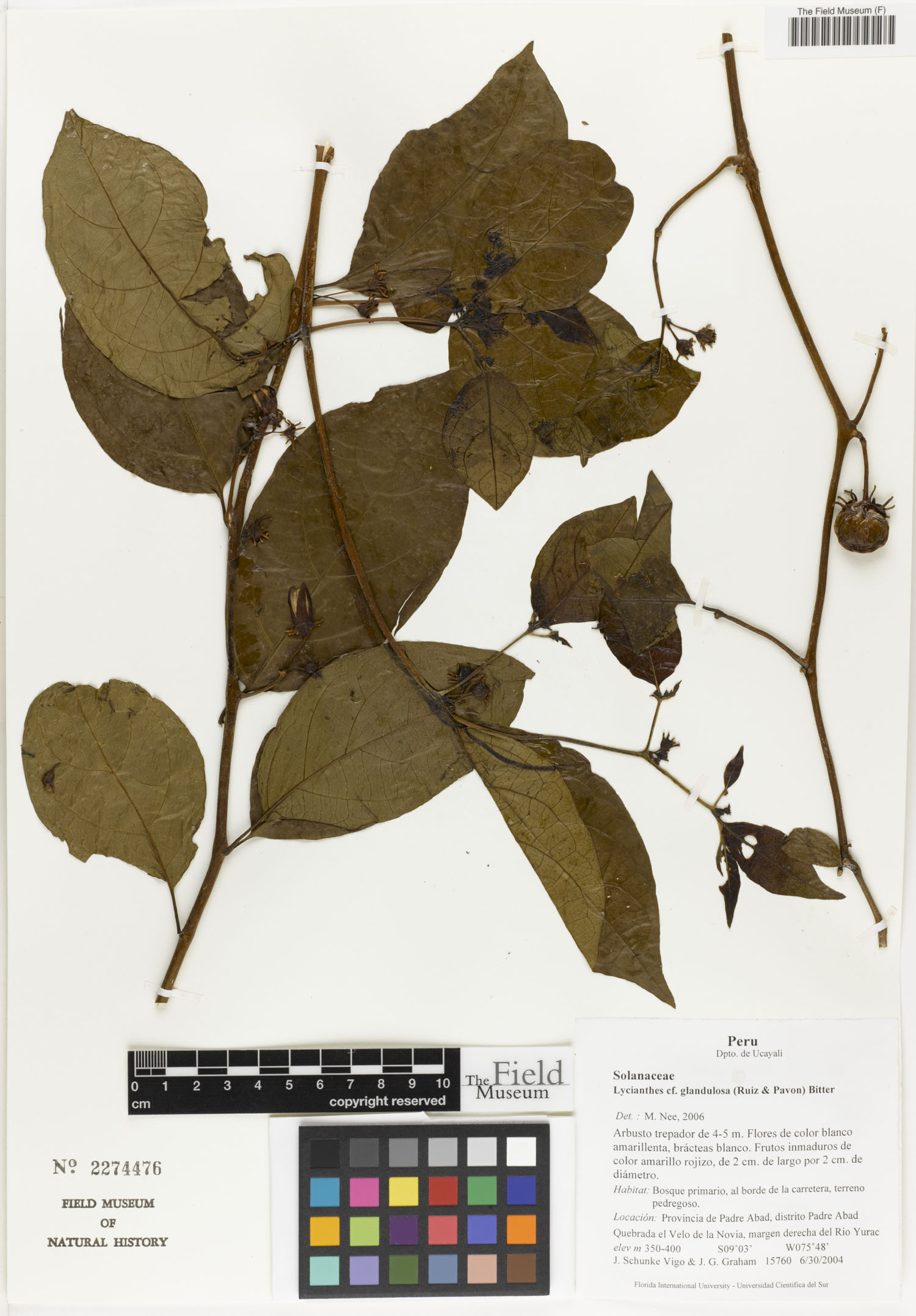
Solanum villosum
Mill.
Hairy Nightshade, Red-fruited nightshade
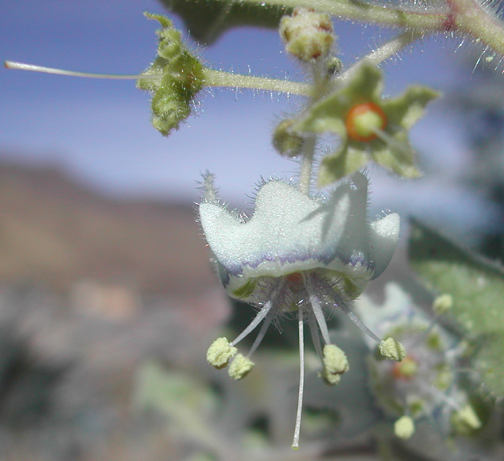
iNaturalist· cc-by-nc-sa
(c) Alaa Seif Eddine, some rights reserved (CC BY-NC-SA), uploaded by Alaa Seif Eddine
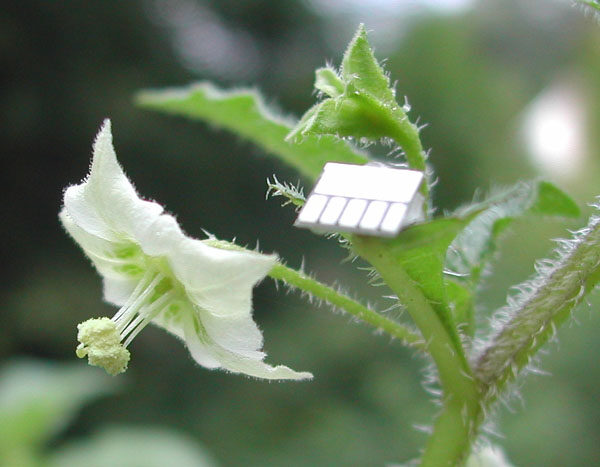
iNaturalist· cc-by-nc
(c) bobasil, some rights reserved (CC BY-NC), uploaded by bobasil
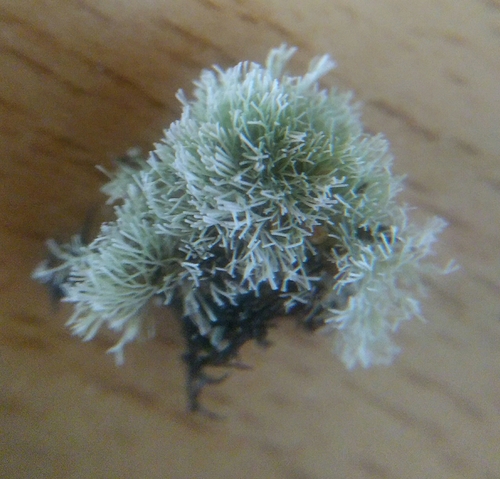
iNaturalist· cc-by-nc
(c) jltasset, some rights reserved (CC BY-NC), uploaded by jltasset
Summary
Source: WikipediaSolanum villosum, the hairy nightshade, red nightshade or woolly nightshade, is a species of sprawling annual weed. It is found in Europe, western Asia, northern Africa and is also naturalized in Australia and North America (PoWo Map).
Description
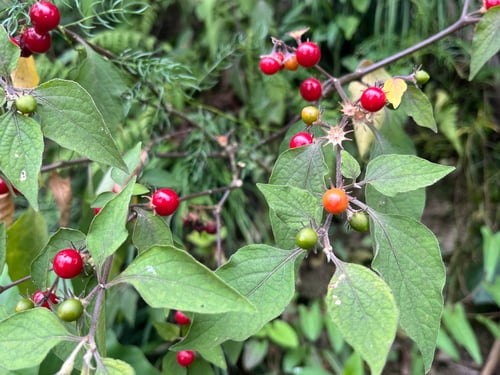
A herb. It is like Blackberried nightshade but the stems are white and hairy in their upper sections. The flowers are in clusters of 3-5. The fruit are red, orange or yellow when ripe. They are 1 cm across. The seeds can often be seen through the fruit wall.
Edible Uses
The leaves and shoots are cooked and eaten as a vegetable, while ripe fruit are eaten raw or used for chutney. Leaves are sold in local markets and the plant is a popular vegetable in some regions.
Traditional Uses
The leaves and shoots are cooked and eaten. The ripe fruit are eaten raw. They are also used for chutney.
This uses section is brief — help expand it
Medicinal Uses
Solanum villosum forms an important part of traditional medicine in Africa. Two alkaloids have been isolated from the green fruits, diosgenin and solasodine, but the amount of alkaloids is lower than in Solanum americanum. The unripe fruits are used to soothe toothache. They are also squeezed on babies' gums to ease pain during teething. The leaves are used in the treatment of stomachache. The addition of the leaves to the diet is believed to contribute to the treatment of fever associated with hypertension. Pregnant women in most parts of Kenya are encouraged to eat the boiled leaves; people believe that they will then give birth to dark-eyed and smooth-skinned babies. It is further believed that children who eat the leaves cooked with milk, groundnuts or sesame rarely develop marasmus or kwashiorkor. The leaves are applied as a poultice on swellings. Extracts from the leaves and fruits are used to treat tonsillitis. The fruit juice is used to calm sore eyes. The roots are boiled in milk and given to children as a tonic.
Known Hazards
Although providing many well-known foods for people, including the potato, tomato, pepper and aubergine, most species in this genus also contain toxic alkaloids. Whilst these alkaloids can make the plant useful in treaing a range of medical conditions, they can also cause problems such as nausea, vomiting, salivation, drowsiness, abdominal pain, diarrhoea, weakness and respiratory depression. Unless there are specific entries with information on edible uses, it would be unwise to ingest any part of this plant.
Distribution
It is a tropical plant. In Kenya it grows in coastal zones. It grows from sea level to 2,400 m above sea level. The best temperature is 20-30°C. An annual rainfall of 500-1,200 mm is suitable.
Where It Grows
Afghanistan, Africa, Algeria, Angola, Asia, Australia, Benin, Burundi, Central Africa, Central Asia, China, Cyprus, East Africa, Ethiopia, Europe, Greece, Himalayas, India, Kenya, Korea, Kuwait, Mediterranean, Middle East, Nepal, Nigeria, North Africa, Northeastern India, Pakistan, Qatar, Saudi Arabia, Somalia, South Africa, Sudan, Tajikistan, Tanzania, Tunisia, United Arab Emirates, UAE, Uganda, West Africa, Zambia,
Cultivation
Plants can be grown from seeds. Under ideal conditions seeds germinate in 7 days. Stem cuttings can be used.
Propagation
Seed - under optimum conditions of moisture and temperature, the seeds germinate within seven days. Direct sowing is common; commercial farmers often use nurseries. In nurseries the seed is mixed with sand or ash, or sometimes both, to facilitate uniform sowing. The beds are prepared by loosening the soil by hand hoe after application of decomposed manure. The beds are covered with grasses which are burnt to sterilize the soil. This also adds potash to the soil. Seed is broadcast or sown in furrows 15 - 20cm apart. The seeds are covered with a thin layer of soil, but sometimes farmers prefer to leave them open so that they germinate earlier. Especially during the dry season, the beds are covered with tall grasses to maintain soil moisture. The grass is removed when the seedlings are about 3cm tall. Stem cuttings have also been used for propagation.
Production
Plants flower after 5-8 weeks.
Other Information
It is a popular vegetable in some places. Leaves are sold in local markets.
Notes
There are about 1400 Solanum species.
Nutrition
| Part | Moisture | kJ | kcal | Protein | Vit A | Vit C | Iron | Zinc |
|---|---|---|---|---|---|---|---|---|
| Leaves | 88.9 | — | — | 4.2 | — | — | 3.3 | 0.8 |
Synonyms
Also Known As
An-hling, Kaach mach, Kachmach, Karveloon, Kuchmacho, Mako, Tunaye
References (19)
- Abukutsa-Onyango, Mary, 2007, The diversity of cultivated African leafy vegetables in three communities in western Kenya. AJFAND, Volume 7, No. 3
- Achigan-Dako, E, et al (Eds), 2009, Catalogue of Traditional Vegetables in Benin. International Foundation for Science.
- Amin, M., et al, 2023, Edible wild plant species used by different linguistic groups of Kohistan Upper Khyber Pakhtunkhwa (KP), Pakistan. Journal of Ethnobiology and Ethnomedicine 19:6 p 13
- Arora, R. K., 2014, Diversity in Underutilized Plant Species - An Asia-Pacific Perspective. Bioversity International. p 51
- Ashagre, M., et al, 2016, Ethnobotanical study of wild edible plants in Burji District, Segan Area Zone of Southern Nations, Nationalities and Peoples Region (SNNPR), Ethiopia. Journal of Ethnobiology and Ethnomedicine (2016) 12:32
Show all 19 references Hide references
- Blamey, M and Grey-Wilson, C., 2005, Wild flowers of the Mediterranean. A & C Black London. p 405
- Della, A., et al, 2006, An ethnobotanical survey of wild edible plants of Paphos and Larnaca countryside of Cyprus. J. Ethnobiol. Ethnomed. 2:34
- Gard. dict. ed. 8: Solanum no. 2. 1768
- Grubben, G. J. H. and Denton, O. A. (eds), 2004, Plant Resources of Tropical Africa 2. Vegetables. PROTA, Wageningen, Netherlands. p 503
- INFOODSUpdatedFGU-list.xls
- Kar, A., et al, 2013, Wild Edible Plant Resources used by the Mizos of Mizoram, India. Kathmandu University Journal of Science, Engineering and Technology. Vol. 9, No. 1, July, 2013, 106-126
- Majeed, M., et al, 2021, Gathered Wild Food Plants among Diverse Religious Groups in Jhelum District, Punjab, Pakistan. Foods 2021, 10, 594.
- Maundu, P. et al, 1999, Traditional Food Plants of Kenya. National Museum of Kenya. 288p
- Mutie, F. M., et al, 2023, Important Medicinal and Food Taxa (Orders and Families) in Kenya, Based on Three Quantitative Approaches. Plants 2023, 12, 1145
- Norton, J., et al, 2009, An Illustrated Checklist of the Flora of Qatar. UNESCO Office in Doha.
- Plants for a Future database, The Field, Penpol, Lostwithiel, Cornwall, PL22 0NG, UK. http://www.scs.leeds.ac.uk/pfaf/ (As Solanum luteum)
- Samuels, J., 2015, Biodiversity of Food Species of the Solanaceae Family: A Preliminary Taxonomic Inventory of Subfamily Solanoideae. Resources 2015, 4. 277-322
- Weinberger, K., Msuya J., 2004, Indigenous Vegetables in Tanzania. Significance and Prospects. Technical Bulletin No. 31 AVRDC, Taiwan/FAO p 4
- World Checklist of Useful Plant Species 2020. Royal Botanic Gardens, Kew