Sisymbrium altissimum
L.
Tumble Mustard
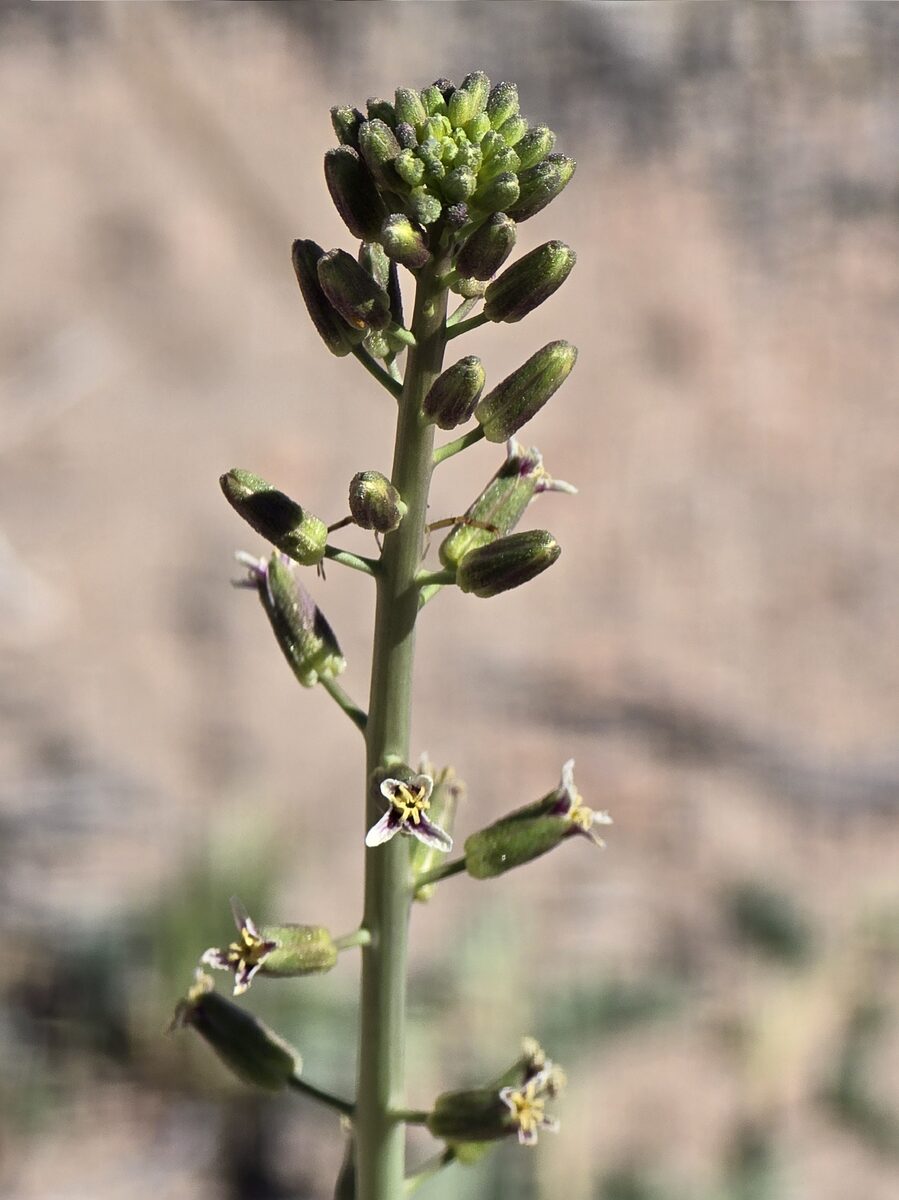
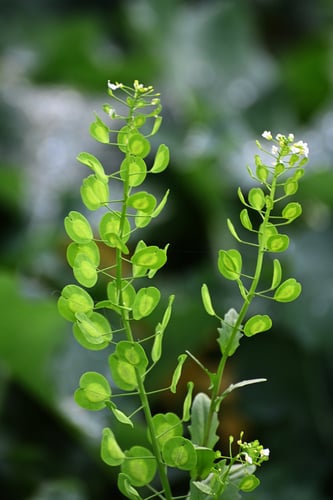
iNaturalist· cc-by-nc
(c) Ted Hindmarch, some rights reserved (CC BY-NC)
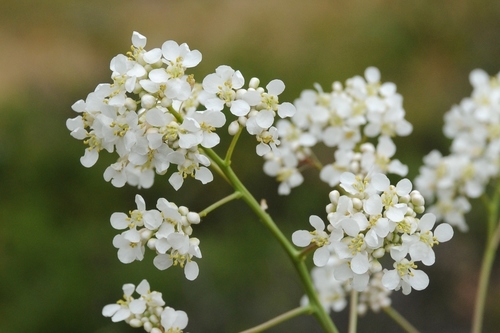
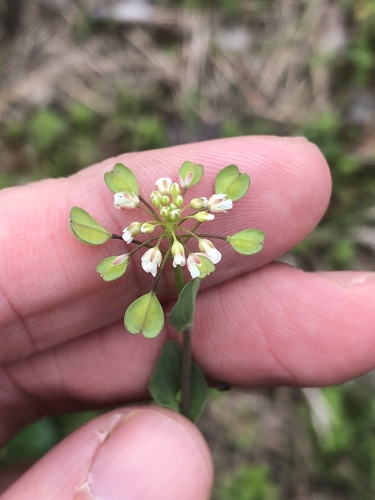
iNaturalist· cc-by-nc
(c) Ted Hindmarch, some rights reserved (CC BY-NC)
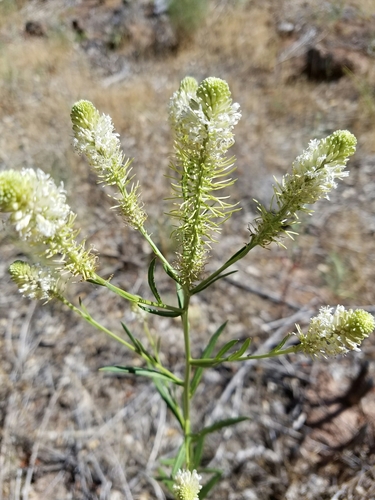
iNaturalist· cc-by-nc-sa
(c) Marley Ford, some rights reserved (CC BY-NC-SA)
Summary
Source: WikipediaSisymbrium altissimum is a species of Sisymbrium. The plant is native to the western part of the Mediterranean Basin and is widely naturalized throughout most of the world, including all of North America. After maturity it forms a tumbleweed. Common names of the plant include Jim Hill mustard, tall tumblemustard, tall mustard, tumble mustard, tumbleweed mustard, tall sisymbrium, and tall hedge mustard.
Description
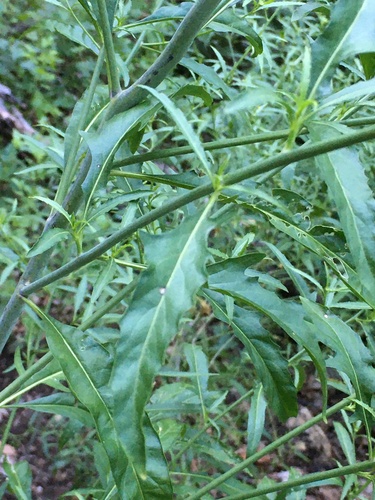
A cabbage family herb. It grows 40-120 cm tall. The stems are erect and branched above. The leaves at the base are in a ring. The leaves are oblong and can be divided. They are 5-20 cm long by 2-8 cm wide. The flowers are yellow. The seeds are 1 mm long by 0.5 mm wide.
Edible Uses
Young leaves and shoots can be eaten raw or cooked. They have a somewhat hot flavour and work well as a flavouring in salads or cooked as a potherb. The seed can be ground into a powder and used as a gruel or as a mustard-like flavouring in soups and similar dishes.
Traditional Uses
The leaves and young shoots are eaten raw in salads or cooked as a potherb. The seeds are ground and used to flavour soups. Oil is pressed from the seeds.
Medicinal Uses
The leaves and flowers are antiscorbutic and astringent.
Distribution
It is a temperate plant. It grows in roadsides, fields, pastures, waste grounds, disturbed sites, grasslands from sea level to 2500 m altitude in China. In Argentina it grows from sea level to 1,600 m above sea level.
Where It Grows
Afghanistan, Argentina, Asia, Australia, Britain, Central Asia, Chile, China, Europe, Hawaii, Hungary, India, Japan, Kashmir, Kazakhstan, Korea, Kyrgyzstan, Marquesas, Mongolia, New Zealand, North America, Pacific, Pakistan, Peru, Russia, Tajikistan, Tibet, Turkey, Türkiye, Turkmenistan, Uruguay, Uzbekistan, USA, W Asia, naturalized worldwide,
Cultivation
Succeeds in most soils.
Propagation
Seed - sow spring or autumn in situ.
Other Uses
None known Special Uses
Notes
It can become a weed and spread viruses. There are about 90 Sisymbrium species.
Synonyms
Also Known As
Atsa, Da suan jie, Hardal otu, Magas zsombor, Mostacilla, Nabo chileno, Tall rocket, Tavukgotu
References (19)
- Ambasta, S.P. (Ed.), 2000, The Useful Plants of India. CSIR India. p 576
- Ari, S., et al, 2015, Ethnobotanical survey of plants used in Afyonkarahisar-Turkey. Journal of Ethnobiology and Ethnomedicine 11:84
- Coutre, M. D., et al, 1986, Foraging Behaviour of a Contemporary Northern Great Basin Population. Journal of California and Great Basin Anthropology Vol. 8(2) pp 150-160
- Denes, A., et al, 2012, Wild plants used for food by Hungarian ethnic groups living in the Carpathian Basin. Acta Societatis Botanicorum Poloniae 81 (4): 381-396
- Dogan, Y., 2012, Traditionally used wild edible greens in the Aegean Region of Turkey. Acta Societatis Botanicorum Poloniae 81(4): 329-342
Show all 19 references Hide references
- Duke, J.A., 1992, Handbook of Edible Weeds. CRC Press. p 182
- Ertug, F., 2000, An Ethnobotanical Study in Central Anatolia (Turkey). Economic Botany Vol. 54. No. 2. pp. 155-182
- Ertug, F, Yenen Bitkiler. Resimli Türkiye Florası -I- Flora of Turkey - Ethnobotany supplement
- Facciola, S., 1998, Cornucopia 2: a Source Book of Edible Plants. Kampong Publications, p 61
- Flora of China @ efloras.org Volume 8
- Flora of Pakistan.
- Irving, M., 2009, The Forager Handbook, A Guide to the Edible Plants of Britain. Ebury Press p 101
- Kargioglu, M. et al, 2010, Traditional Uses of Wild Plants in the Middle Aegean Region. Human Ecology 38:429-450
- Malezas Comestibles del Cono Sur, INTA, 2009, Buernos Aires
- Moerman, D. F., 2010, Native American Ethnobotany. Timber Press. p 532
- Senkardes, I & Tuzlaci, E., 2016, Wild Edible Plants of Southern Part of Nevsehir inTurkey. Marmara Pharmaceutical Journal 20:34-43
- Sp. pl. 2:659. 1753
- Urgamal, M., Oyuntsetseg, B., Nyambayar, D. & Dulamsuren, Ch. 2014. Conspectus of the vascular plants of Mongolia. (Editors: Sanchir, Ch. & Jamsran, Ts.). Ulaanbaatar, Mongolia. “Admon“ Press. 334pp. (p. 79-90).
- Zhou Taiyan, Lu Lianli, Yang Guang; Ihsan A. Al-Shehbaz, BRASSICACEAE (CRUCIFERAE), Flora of China.