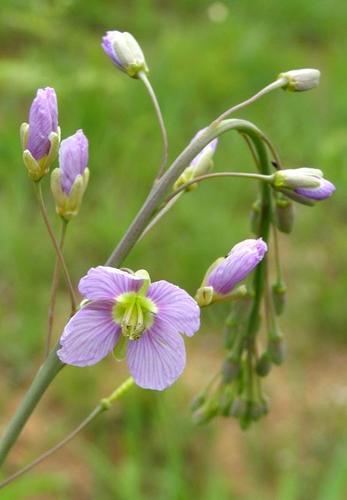
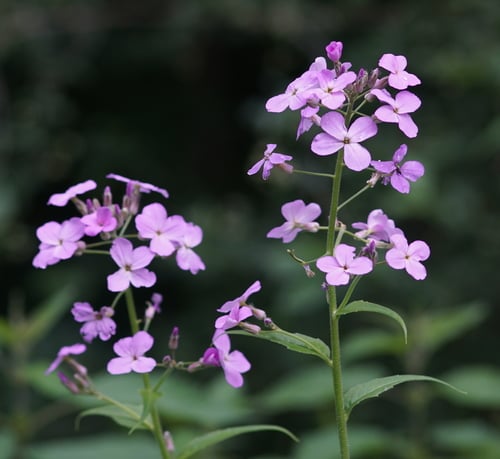
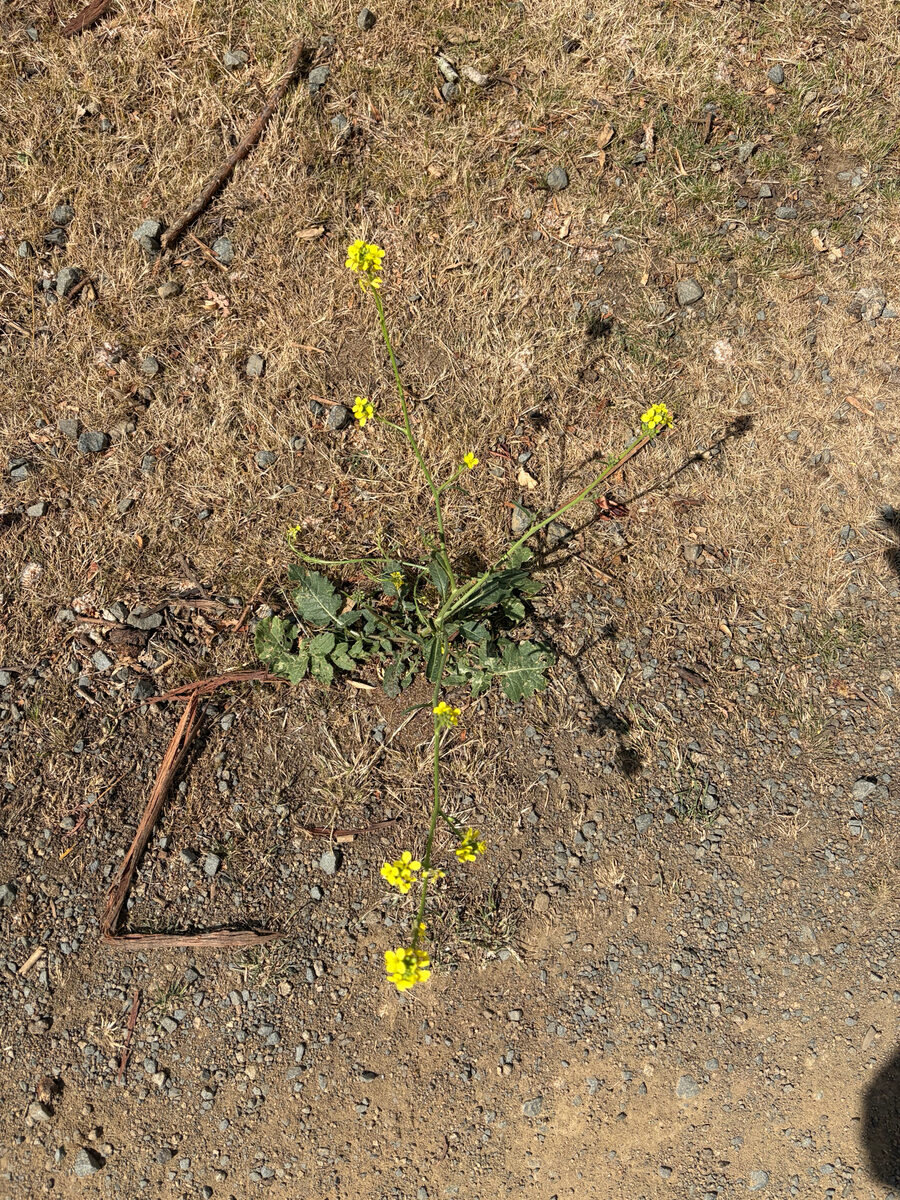
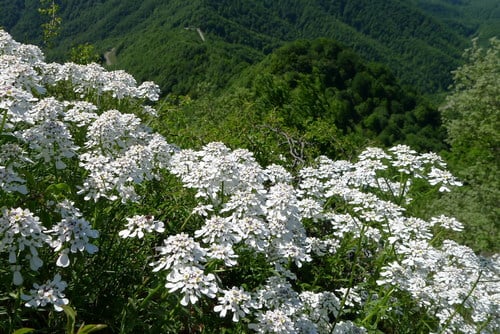
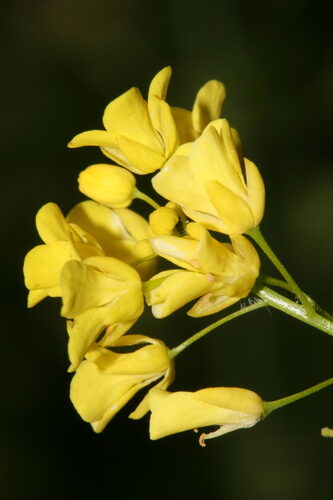
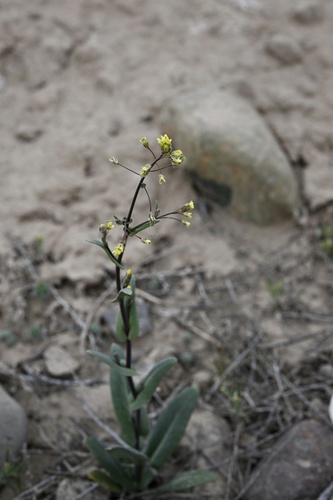
Peltaria turkmena
Lipsky
wikimedia· cc-by-sa
Wikimedia Commons - Krzysztof Ziarnek, Kenraiz
wikimedia· cc-by-sa
Wikimedia Commons - Krzysztof Ziarnek, Kenraiz
Summary
Source: WikipediaEvergreen perennial growing 0.5 m tall by 0.3 m wide at a fast rate, hardy to UK zone 6. Year-round foliage with flowers from April to May and seeds ripening in June. Wind-pollinated hermaphroditic species. Grows in light sandy or medium loamy soils with mildly acidic to basic pH, tolerates semi-shade to full sun, prefers moist soil.
Description
Evergreen perennial growing 0.5 m tall by 0.3 m wide at a fast rate, hardy to UK zone 6. Year-round foliage with flowers from April to May and seeds ripening in June. Wind-pollinated hermaphroditic species. Grows in light sandy or medium loamy soils with mildly acidic to basic pH, tolerates semi-shade to full sun, prefers moist soil.
Edible Uses
Leaves can be eaten raw or cooked. They have a strong flavour somewhat like a cross between garlic and mustard, making them a reasonable flavouring for salads. Leaves are available for most of the year — even through severe winters they remain green and lush, adding a welcome spiciness to salads in colder months. They can become quite bitter in summer, particularly when plants are grown in a dry, sunny position. Plants shed their leaves for a month or two when flowering in early summer; cutting down the flowering stems at this point encourages a flush of fresh green growth. Flowers are eaten raw and share a similar flavour to the leaves but with very little bitterness, making them a tasty addition to summer salads.
Medicinal Uses
None known
Distribution
It is a temperate plant.
Where It Grows
Asia,
Cultivation
Prefers a light fertile moist soil in sun or light shade, though it is not too fussy. A very easily grown plant that tolerates considerable neglect.
Propagation
Seed can be sown in spring or autumn in a cold frame. Germination is rapid; prick seedlings out into individual pots when large enough to handle and plant out into permanent positions during summer. Division can be carried out in spring or autumn and is very straightforward — it can be done at almost any time of year provided the soil is kept moist. Winter divisions should be potted up in a greenhouse to allow establishment before planting out in late spring.
Other Uses
The plants can be used as ground cover. They spread somewhat slowly but are effective at excluding weeds.
References (1)
- Plants for a Future database, The Field, Penpol, Lostwithiel, Cornwall, PL22 0NG, UK. http://www.scs.leeds.ac.uk/pfaf/