Parrya nudicaulis
(L.) Boiss.
Nakedstem wallflower
iNaturalist· cc-by-nc
(c) Christopher Moore, some rights reserved (CC BY-NC), uploaded by Christopher Moore
iNaturalist· cc-by-nc
(c) Andy Fyon, some rights reserved (CC BY-NC), uploaded by Andy Fyon
iNaturalist· cc-by-nc
(c) Владимир Бурый, some rights reserved (CC BY-NC), uploaded by Владимир Бурый
Description
A herb that keeps growing from year to year. The stem is up to 25 cm high. It has bristly glands. The root can be 25 cm long. The leaves are at the base. They are 5-10 cm long. They are oval but more broad towards the upper end. They can have coarse teeth. The flowers have 4 white or purple petals. There are several flowers together in a cluster at the top of the plant. The fruit is a flat pod with wavy edges. It is 3-5 cm long and tapers at both ends.
Edible Uses
The roots are cooked with meat or fish in stews. Young leaves are eaten fresh or stored in seal oil.
Traditional Uses
The roots are cooked and used with meat or fish in stews. The new young leaves are eaten. They are also stored in seal oil.
This uses section is brief — help expand it
Distribution
It is a cold temperate plant. It grows on gravel and peat covered beaches along the coast. In China it is in western China between 2,200-2,500 m above sea level.
Where It Grows
Afghanistan, Alaska, Asia, Bhutan, China, Himalayas, North America, Northeastern India, Russia, Sikkim, Tibet, USA,
Synonyms
Also Known As
Parry's wallflower
References (2)
- Heller, C. A., 1962, Wild Edible and Poisonous Plants of Alaska. Univ. of Alaska Extension Service. p 58
- Moerman, D. F., 2010, Native American Ethnobotany. Timber Press. p 378
More from Brassicaceae
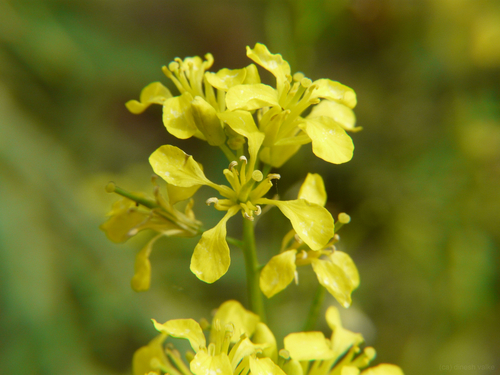
Brassica juncea var. multisecta
Thousand-veined mustard
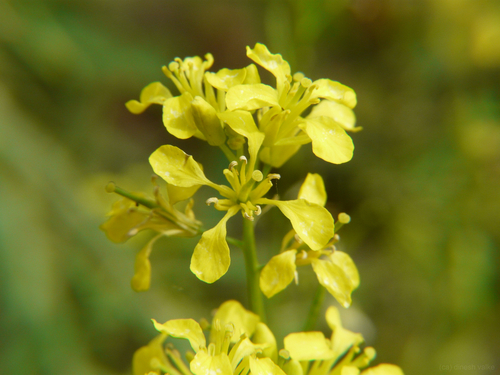
Brassica juncea var. napiformis
Large-root mustard, Root mustard, Tuberous-root mustard, Turnip-root mustard
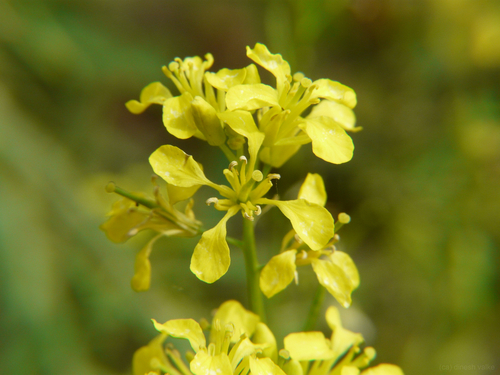
Brassica juncea var. rugosa
Mustard cabbage, Chinese mustard, Cabbage-leaf mustard, Head mustard, Swatow mustard, Japanese red mustard, Mustard greens
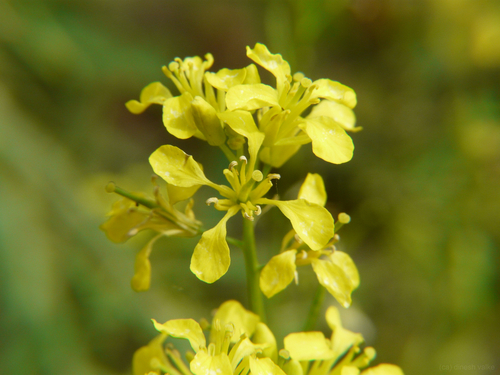
Brassica juncea var. sareptana
Brown mustard, Sarepta mustard
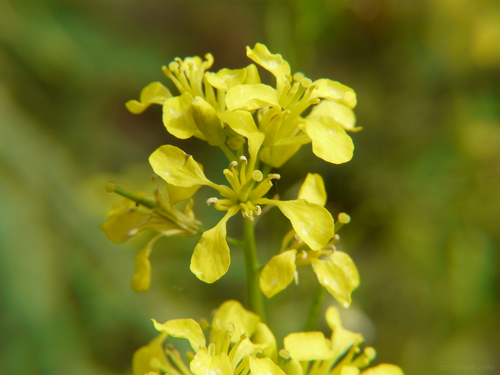
Brassica juncea var. strumata
Chopped mustard, Horned mustard, Large-petiole mustard
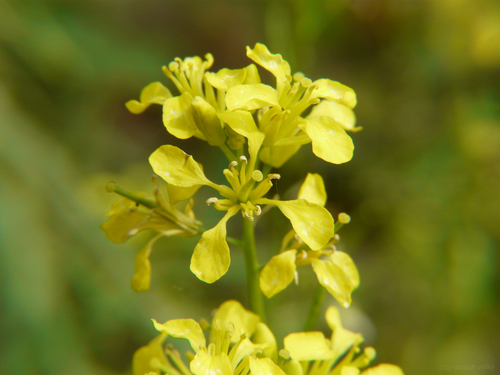
Brassica juncea var. tumida
Big-stem mustard, Swollen-stem mustard, Za-tsai, Sichuan preserved vegetable