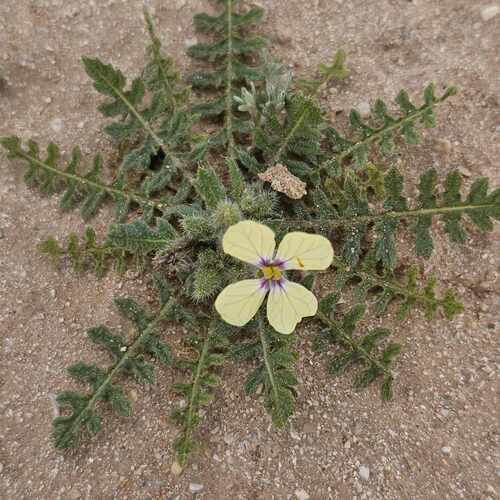
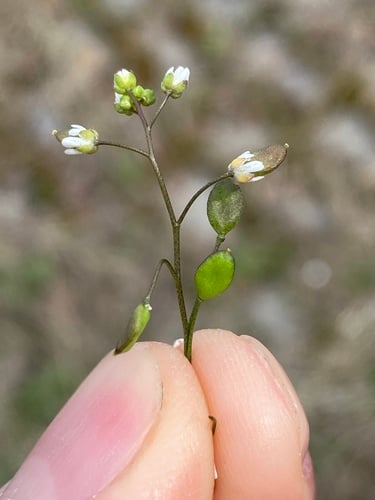
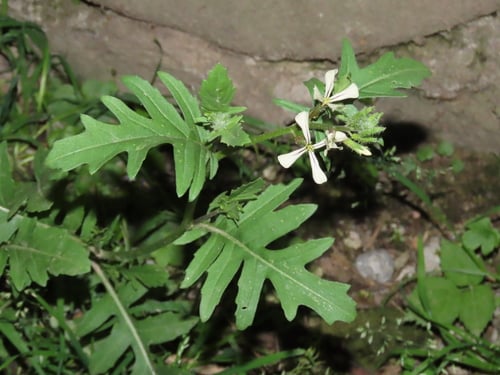
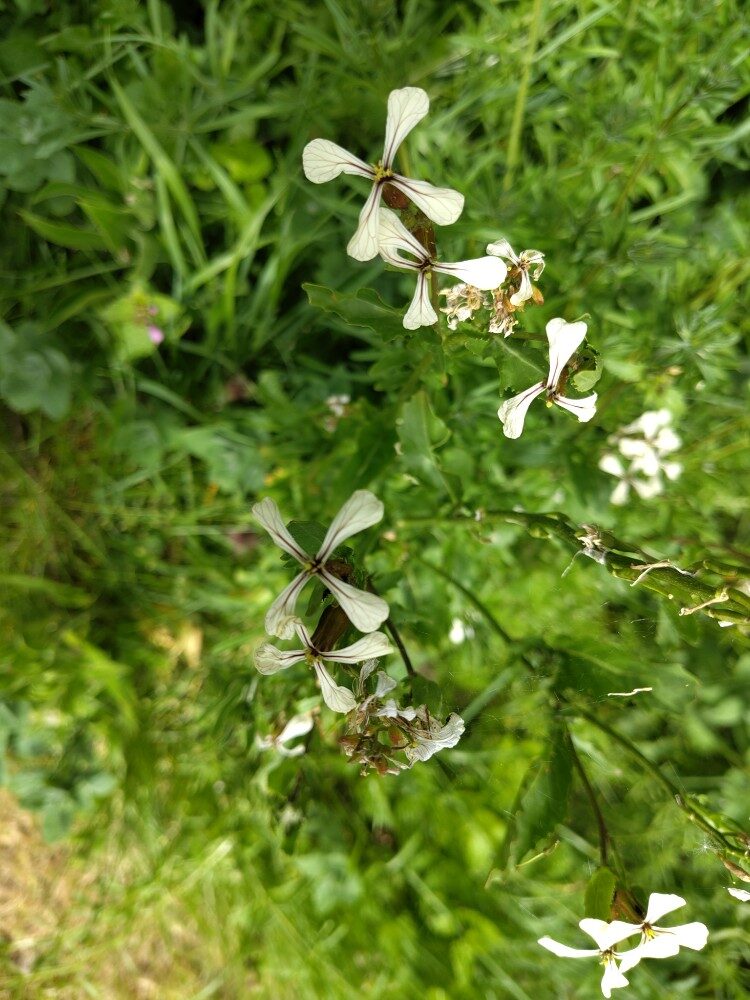
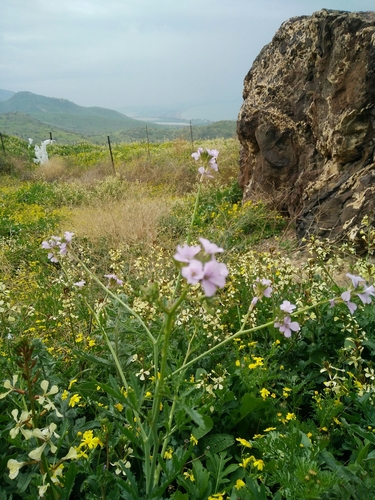
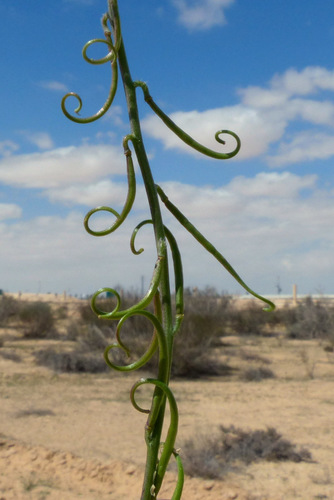
Pachyphragma macrophylla - (Hoffm.)N.Busch.
(Hoffm.)N.Busch.
gbif· cc-by-nc-nd
sandra
gbif· cc-by-nc-nd
wil.bouwhuis
gbif· cc-by-nc-nd
arnold
Description
Pachyphragma macrophylla is an evergreen Perennial growing to 0.3 m (1ft) by 1 m (3ft 3in). See above for USDA hardiness. It is hardy to UK zone 7. It is in leaf all year, in flower from March to April. The species is hermaphrodite (has both male and female organs) and is pollinated by Insects. Suitable for: light (sandy), medium (loamy) and heavy (clay) soils and can grow in heavy clay soil. Suitable pH: mildly acid, neutral and basic (mildly alkaline) soils. It can grow in full shade (deep woodland) or semi-shade (light woodland). It prefers dry or moist soil and can tolerate drought.
Edible Uses
It would be worthwhile trying out the leaves of this species for edibility. They are almost certainly not poisonous.
Distribution
W. Asia - N.E. Turkey to W. Caucasus. Naturalized in Britain.
Where It Grows
Coming Soon
Cultivation
Requires a leafy soil and a damp shady position. Another report says that it succeeds in dry soils and, once established, tolerates drought. Succeeds in heavy clays. Very shade tolerant. Succeeds in full sun or partial shade. Possibly hardy to about -15°c. Plants have persistent basal rosettes.
Propagation
Seed - sow autumn in a greenhouse. When they are large enough to handle, prick the seedlings out into individual pots and plant them out in the summer. Division in spring. Very easy, larger divisions can be planted out direct into their permanent positions. We have found that it is better to pot up the smaller divisions and grow them on in light shade in a cold frame until they are well established before planting them out in late spring or early summer. Basal cuttings in late spring. Harvest the shoots with plenty of underground stem when they are about 8 - 10cm above the ground. Pot them up into individual pots and keep them in light shade in a cold frame or greenhouse until they are rooting well. Plant them out in the summer.
Other Uses
An excellent weed-smothering ground cover plant for shady areas. The plants have persistent basal rosettes but only achieve full ground cover from mid or late spring until early winter each year.