Orychophragmus violaceus
(L.) O. E. Schultz
Second moon orchid, Premier Zhu-ge's vegetable
iNaturalist· cc-by-nc
(c) tokyonaturalist, some rights reserved (CC BY-NC), uploaded by tokyonaturalist
iNaturalist· cc-by
(c) Marco Mussita, some rights reserved (CC BY), uploaded by Marco Mussita
iNaturalist· pd
池田正樹, no known copyright restrictions (public domain)
Summary
Source: WikipediaOrychophragmus violaceus, the Chinese violet cress, is a species of flowering plant in the family Brassicaceae. It is native to northern and southeastern China and North Korea, and it has been introduced to Japan and the U.S. state of Virginia. An annual or biennial herb typically 60 cm (24 in) tall, it is found in a wide variety of habitats, including anthropogenically disturbed ones. Hardy in USDA zones 7 through 10, in China it is cultivated as a vegetable for its stalks. The Royal Horticultural Society considers it "potentially harmful".
Description
A cabbage family herb which takes 1 or 2 years to complete its life cycle. It grows 50 cm high and spreads 30 cm wide. The leaves near the base are thin and lyre shaped. They are divided into lobes along the stalk. The leaves on the stem are simple and oval. The flowers have 4 petals. They are violet. The flowers occur in clusters. The pod is 7-10 cm long and has 4 ridges. It has a beak 2-3 cm long. The seeds are black-brown.
Edible Uses
The leaves are edible and best used cooked.
Medicinal Uses
None known
Distribution
It grows on roadsides, gardens, forests, fields, thickets, valleys, hillsides, sunny slopes; near sea level to 1500 m altitude in China. It is often self-sown under Juniper and Thuja trees. It suits hardiness zones 9-11. In Sichuan.
Where It Grows
Asia, Australia, China, Japan, Korea, North America, USA,
Propagation
Sow seed in situ in spring or early summer.
Other Uses
None known
Other Information
It is eaten as a leaf vegetable in China.
Notes
There are 2 Orychophragmus species.
Synonyms
Also Known As
Zhu ge cai, Eryuelan
References (9)
- Bot. Jahrb. Syst. 54(Beibl. 119):56. 1916
- Cundall, P., (ed.), 2004, Gardening Australia: flora: the gardener's bible. ABC Books. p 960
- Facciola, S., 1998, Cornucopia 2: a Source Book of Edible Plants. Kampong Publications, p 58
- Flora of China @ efloras.org Volume 8
- Hu, Shiu-ying, 2005, Food Plants of China. The Chinese University Press. p 417
Show all 9 references Hide references
- Plants for a Future database, The Field, Penpol, Lostwithiel, Cornwall, PL22 0NG, UK. http://www.scs.leeds.ac.uk/pfaf/
- Valder, P., 1999, The Garden Plants of China. Florilegium. p 376
- Wang, J. et al, 2013, A Study on the Utilization of Wild Plants for Food in Liangshan Yi Autonomous Prefecture. Plant Diversity and Resources. 35(4): 416-471
- Zhou Taiyan, Lu Lianli, Yang Guang; Ihsan A. Al-Shehbaz, BRASSICACEAE (CRUCIFERAE), Flora of China.
More from Brassicaceae
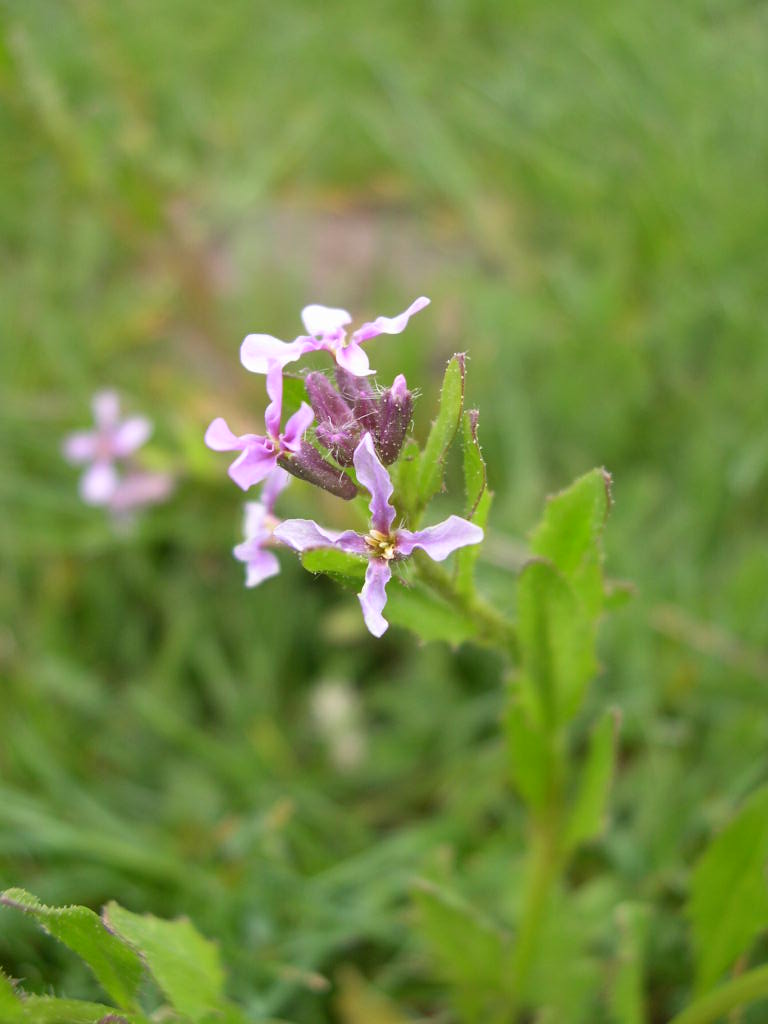
Chlorispora tenella
Blue mustard, Musk mustard, Purple mustard, Cross flower
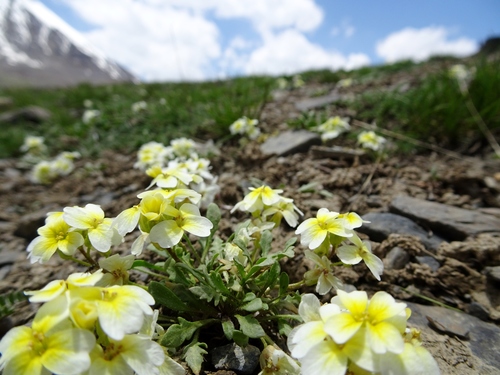
Chorispora sabulosa
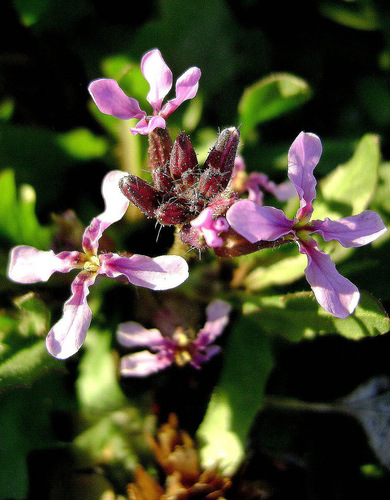
Chorispora tenella
Musk mustard, Loose seed herb, Crossflower
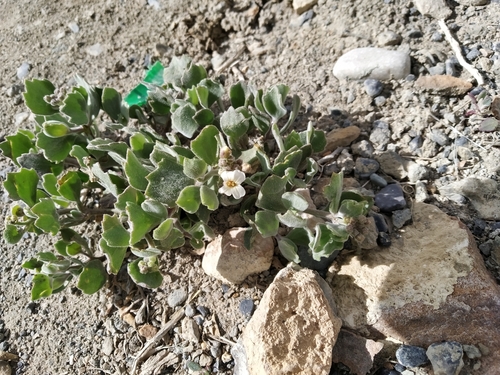
Christolea crassifolia
Afghani christolea
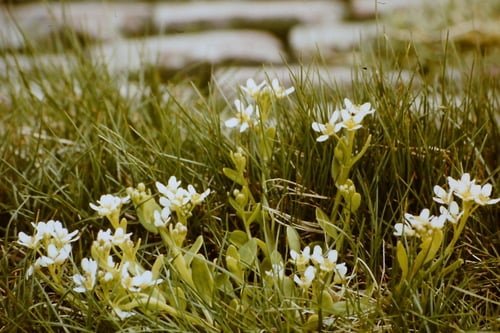
Cochlearia anglica
Long leafed scurvy grass, English scurvy-grass
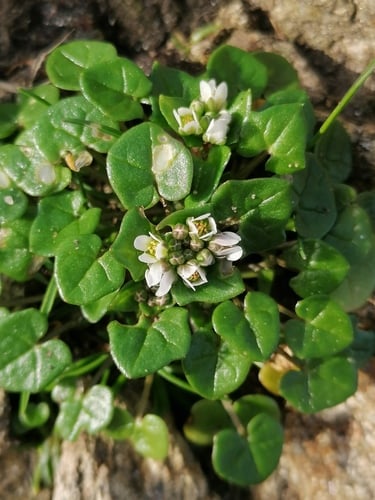
Cochlearia danica
Danish scurvy grass