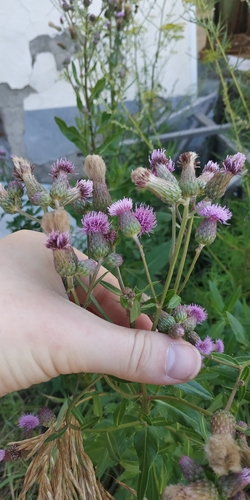
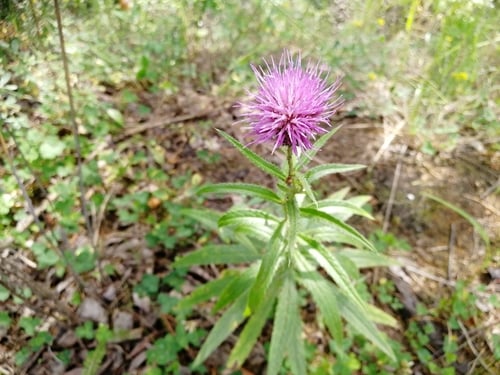
Silphium integrifolium var. laeve
Hook.
Compass plant, Rosin-weed
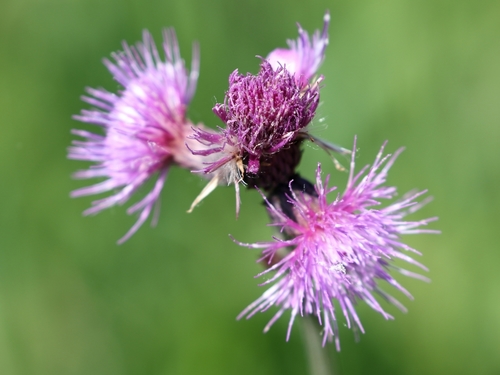
iNaturalist· cc-by-nc
(c) Mark Kluge, some rights reserved (CC BY-NC), uploaded by Mark Kluge
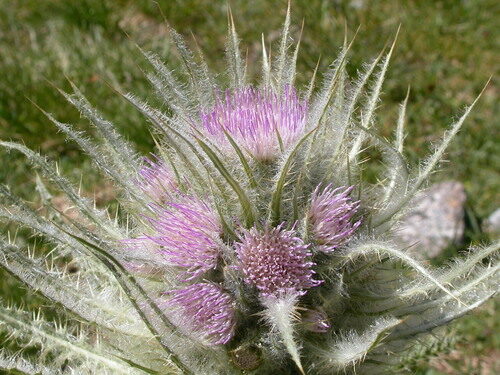
iNaturalist· cc-by-sa
(c) Frank Mayfield, some rights reserved (CC BY-SA)
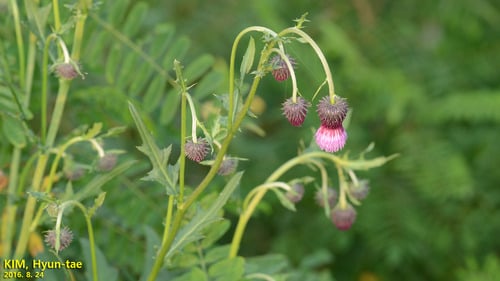
iNaturalist· cc-by-sa
(c) Frank Mayfield, some rights reserved (CC BY-SA)
Summary
Source: WikipediaSilphium integrifolium is a species of flowering plant in the family Asteraceae. Its common names include rosinweed, whole-leaf rosinweed, entire-leaf rosinweed, prairie rosinweed, and silflower. It is native to eastern North America, including Ontario in Canada and the eastern and central United States as far west as New Mexico.
Description
A temperate perennial herb in the Asteraceae family with an edible root. One of 23 Silphium species, also known as compass plant or rosin-weed.
This description is brief — help expand it
Edible Uses
The root is eaten.
Medicinal Uses
The plant had uses among Native American peoples. The Meskwaki, for example, used the roots to treat pain from injuries. This species is cultivated for use in gardens. Compared to other Silphium species, it is shorter, less likely to topple over, and faster from seed to flower. While it looks similar to sunflowers (Helianthus), it is more manageable than most perennial sunflowers because it spreads more slowly, and it is not known to be allelopathic. Researchers at the Land Institute, with a number of collaborating institutions, have initiated a project to domesticate this species for use as an oilseed crop. It also is under consideration as a good companion plant among solar panels.
Distribution
It is a temperate plant.
Where It Grows
North America, USA,
Notes
There are 23 Silphium species.
References (3)
- Hedrick, U.P., 1919, (Ed.), Sturtevant's edible plants of the world. p 607 (As Silphium laeve)
- Kiple, K.F. & Ornelas, K.C., (eds), 2000, The Cambridge World History of Food. CUP p 1852
- Plants for a Future database, The Field, Penpol, Lostwithiel, Cornwall, PL22 0NG, UK. http://www.scs.leeds.ac.uk/pfaf/