Antennaria dioica
(L.) Gaertn.
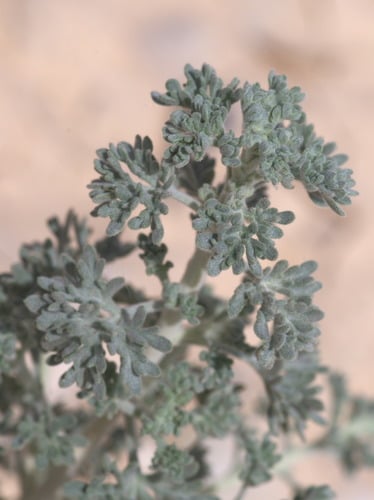
iNaturalist· cc-by-nc
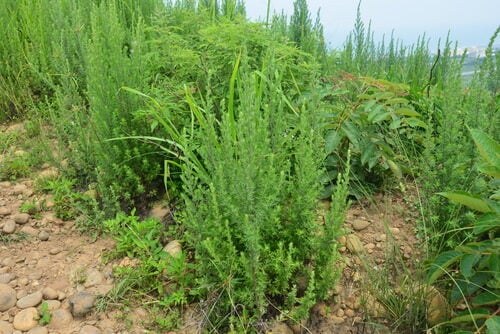
(c) akolter, some rights reserved (CC BY-NC)
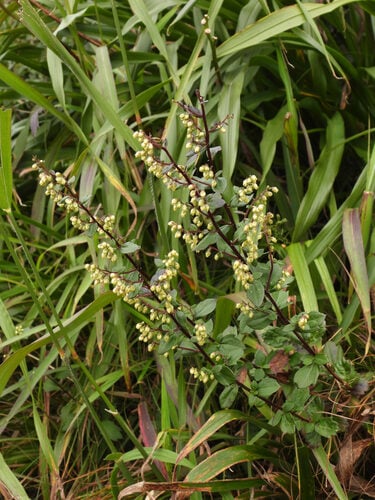
iNaturalist· cc-by-nc
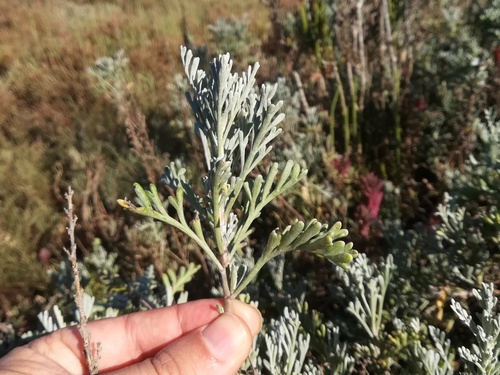
(c) Bernhard Fischer, some rights reserved (CC BY-NC), uploaded by Bernhard Fischer
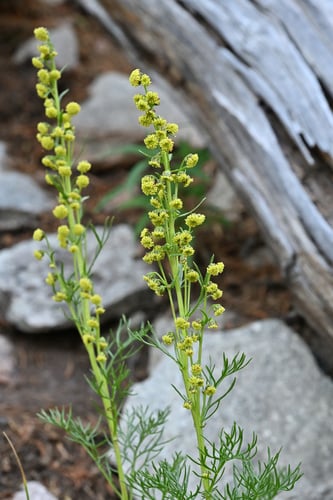
iNaturalist· cc-by-nc
(c) Alexander Yakovlev, some rights reserved (CC BY-NC), uploaded by Alexander Yakovlev
Summary
Source: WikipediaAntennaria dioica (mountain everlasting, stoloniferous pussytoes, catsfoot or cudweed) is a Eurasian species of flowering plant in the family Asteraceae. It is a perennial herb found in cool northern and mountainous regions of Europe and northern Asia (Russia, Mongolia, Japan, Kazakhstan, China (Xinjiang, Heilongjiang, Gansu) and the Aleutian Islands of Alaska.
Description
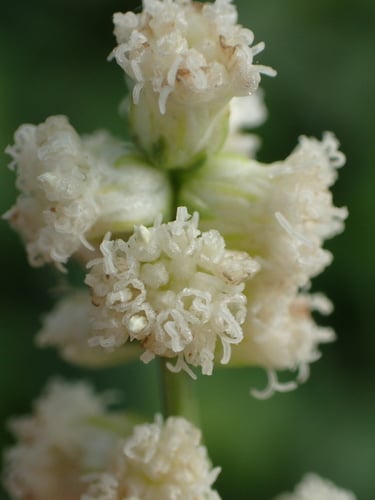
A herb. It keeps growing from year to year. It grows 3-10 cm tall. It has stolons or runners 2-5 cm long. The leaves at the base are spoon shaped and 3-18 mm long by 3-6 mm wide. They have a grey coating underneath. The leaves on the stem are narrow and 7-13 mm long.
Edible Uses
None known
Traditional Uses
The aerial parts are used in drinks.
This uses section is brief — help expand it
Medicinal Uses
Antitussive Astringent Cholagogue Diuretic Emollient Catsfoot has been little used in herbal medicine though it was once used in mixtures for the treatment of bronchitis and bilious conditions. The whole plant is antitussive, astringent, cholagogue, discutient, diuretic and emollient. The plant is very rich in mucilage which makes it very valuable in the treatment of chest complaints. It is also used in the treatment of liver and gall bladder complaints, hepatitis and diarrhoea. Externally it is used as a gargle for treating tonsillitis and as a douche for vaginitis. The herb is gathered in May before it comes into flower and can be dried for later use.
Distribution
It is a temperate plant. It grows on dry slopes on tundra, meadows and pine forests between 600-2,700 m above sea level. It suits hardiness zones 5-9.
Where It Grows
Alaska, Albania, Asia, Central Asia, China, Estonia, Europe, Japan, Kazakhstan, Korea, Luxembourg, Mongolia, North America, Russia, Slovenia, Switzerland, USA,
Propagation
Seed - sow spring in cold frame and only just cover the seed. Do not allow the soil to dry out. The seed germinates in 1 -2 months at 15°c. Prick out the seedlings into individual pots when they are large enough to handle and plant them out in late spring of the following year. Division in spring or autumn. Fairly easy, the divisions can be planted out direct into their permanent positions if required.
Other Uses
A good ground cover plant for sunny positions. Rather slow to spread, however, and it requires weeding for at least the first year. Plants form a carpet and root as they spread. Special Uses Food Forest Ground cover
Notes
There are about 45 Antennaria species. They are temperate plants. It is used as a medicine.
Synonyms
Also Known As
Kassikapp, Navadna majnica
References (11)
- Abbet, C., et al, 2014, Ethnobotanical survey on wild alpine food plants in Lower and Central Valais (Switzerland). Journal of Ethnopharmacology 151 (2014) 624–634 (As Gnaphalium dioicum)
- Beckstrom-Sternberg, Stephen M., and James A. Duke. "The Foodplant Database." http://probe.nalusda.gov:8300/cgi-bin/browse/foodplantdb.(ACEDB version 4.0 - data version July 1994)
- Cormack, R. G. H., 1967, Wild Flowers of Alberta. Commercial Printers Edmonton, Canada. p 343 (Other species)
- Cundall, P., (ed.), 2004, Gardening Australia: flora: the gardener's bible. ABC Books. p 159 (Genus)
- Brown, D., 2002, The Royal Horticultural Society encyclopedia of Herbs and their uses. DK Books. p 123 (A. dioica as medicine)
Show all 11 references Hide references
- Hibbert, M., 2002, The Aussie Plant Finder 2002, Florilegium. p 29 (Other species)
- Jackes, D. A., Edible Forest Gardens
- Kalle, R. & Soukand, R., 2012, Historical ethnobotanical review of wild edible plants of Estonia (1770s-1960s) Acta Societatis Botanicorum Poloniae 81(4):271-281
- Pieroni, A.,& Giusti, M. E., 2009, Alpine Ethnobotany in Italy: Journal of Ethnobiology and Ethnomedicine. 5:32
- Porsild, A.E., 1974, Rocky Mountain Wild Flowers. Natural History Series No. 2 National Museums of Canada. p 386 (Genus)
- Urgamal, M., Oyuntsetseg, B., Nyambayar, D. & Dulamsuren, Ch. 2014. Conspectus of the vascular plants of Mongolia. (Editors: Sanchir, Ch. & Jamsran, Ts.). Ulaanbaatar, Mongolia. “Admon“ Press. 334pp. (p. 199-230).