Anaphalis nepalensis
(Spreng.) Hand.-Mazz.
Nepal pearly everlasting
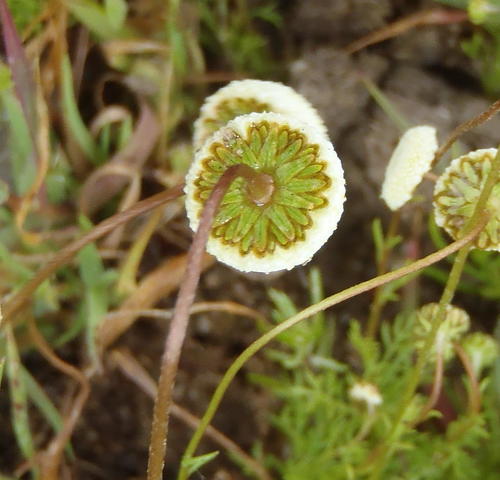
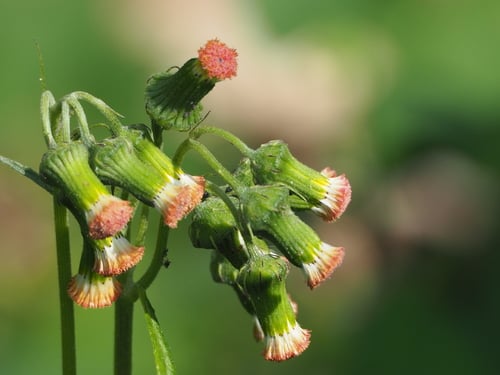
iNaturalist· cc-by-nc
(c) 傻子, some rights reserved (CC BY-NC), uploaded by 傻子
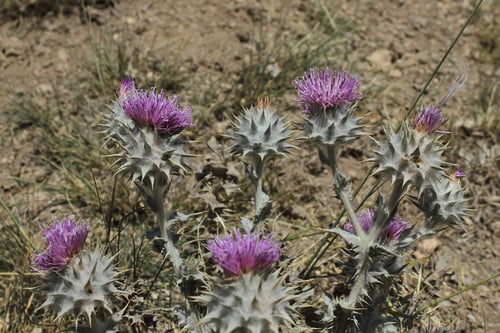
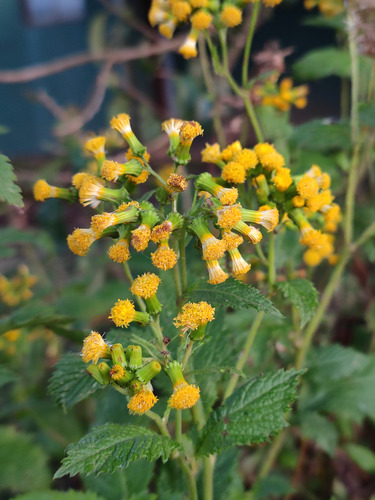
iNaturalist· cc-by-nc
(c) Cheng-Tao Lin, some rights reserved (CC BY-NC), uploaded by Cheng-Tao Lin
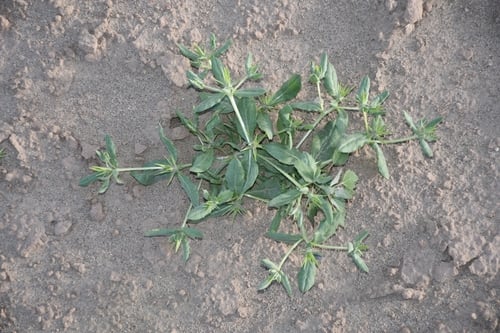
iNaturalist· cc-by
(c) Cheng-Tao Lin, some rights reserved (CC BY), uploaded by Cheng-Tao Lin
Description
A herb. It keeps growing from year to year. It has a slender rhizome. The runners can be 20 cm long. The leaves on the runners are oval or spoon shaped. There is a ring of leaves at the end. The stems are 4-45 cm tall. They have a white coating. The flowers are in daisy like heads with white and a yellow centre.
Edible Uses
The flower buds are eaten raw in salads.
Traditional Uses
The flower buds are eaten raw in salads.
This uses section is brief — help expand it
Distribution
It is a temperate plant. It grows in cold desert in north India in the Himalayas. In China it grows in alpine grasslands and pine forests between 2,400-4,500 m above sea level. In Sichuan and Yunnan.
Where It Grows
Asia, Bhutan, China, Himalayas, India, Myanmar, Nepal, SE Asia, Tibet,
Synonyms
Also Known As
Yaktso
References (2)
- Ballabh, B., et al, 2007, Raw edible plants of cold desert Ladakh. Indian Journal of Traditional Knowledge. 6(1) pp 182-184 (As Anaphalis triplinervis var. intermedia)
- Sharma, L. et al, 2018, Diversity, distribution pattern, endemism and indigenous uses of wild edible plants in Cold Desert Biosphere Reserve of Indian Trans Himalaya. Indian Journal of Traditional Knowledge. Vol 17(1) January 2018 pp 122-131 (As Anaphalis triplinervis var. intermedia)