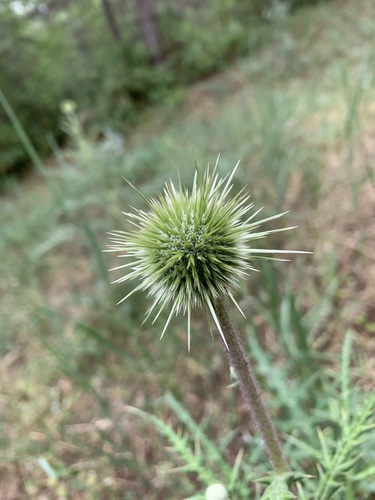
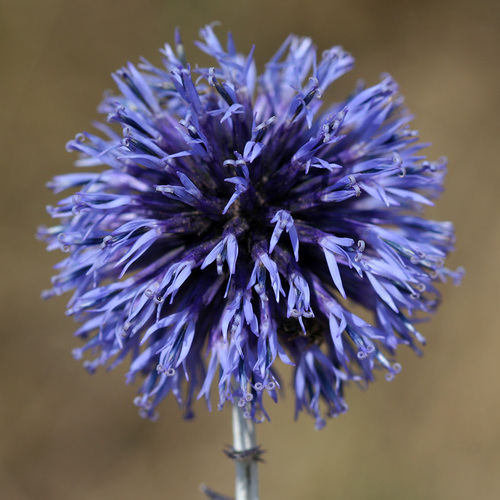
Anaphalis contorta
(D. Don) Hook.f.
Eared-leaf pearly everlasting
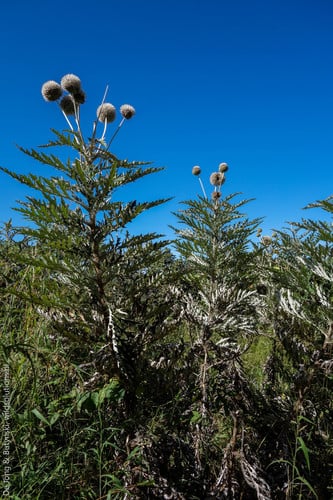
iNaturalist· cc-by-nc
(c) Morgan Cantrell, some rights reserved (CC BY-NC)
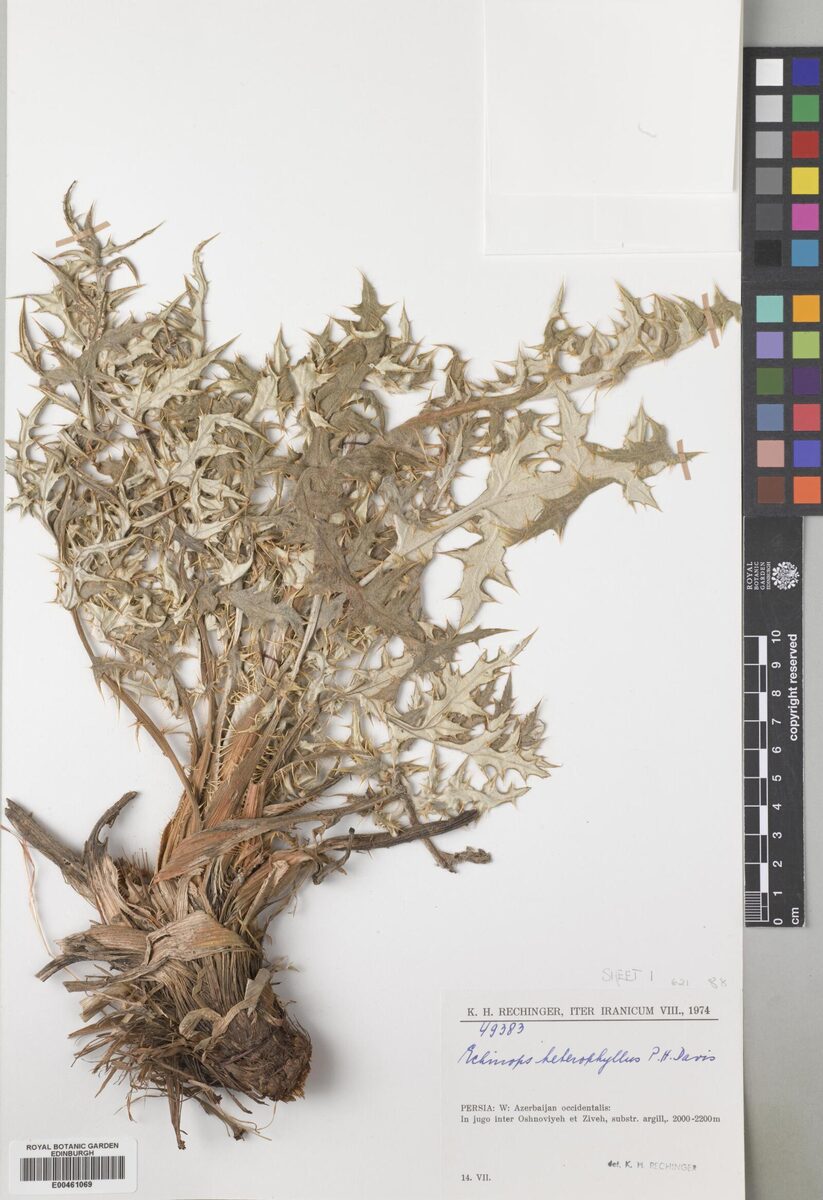
iNaturalist· cc-by-nc
(c) Yaling Lin, some rights reserved (CC BY-NC)
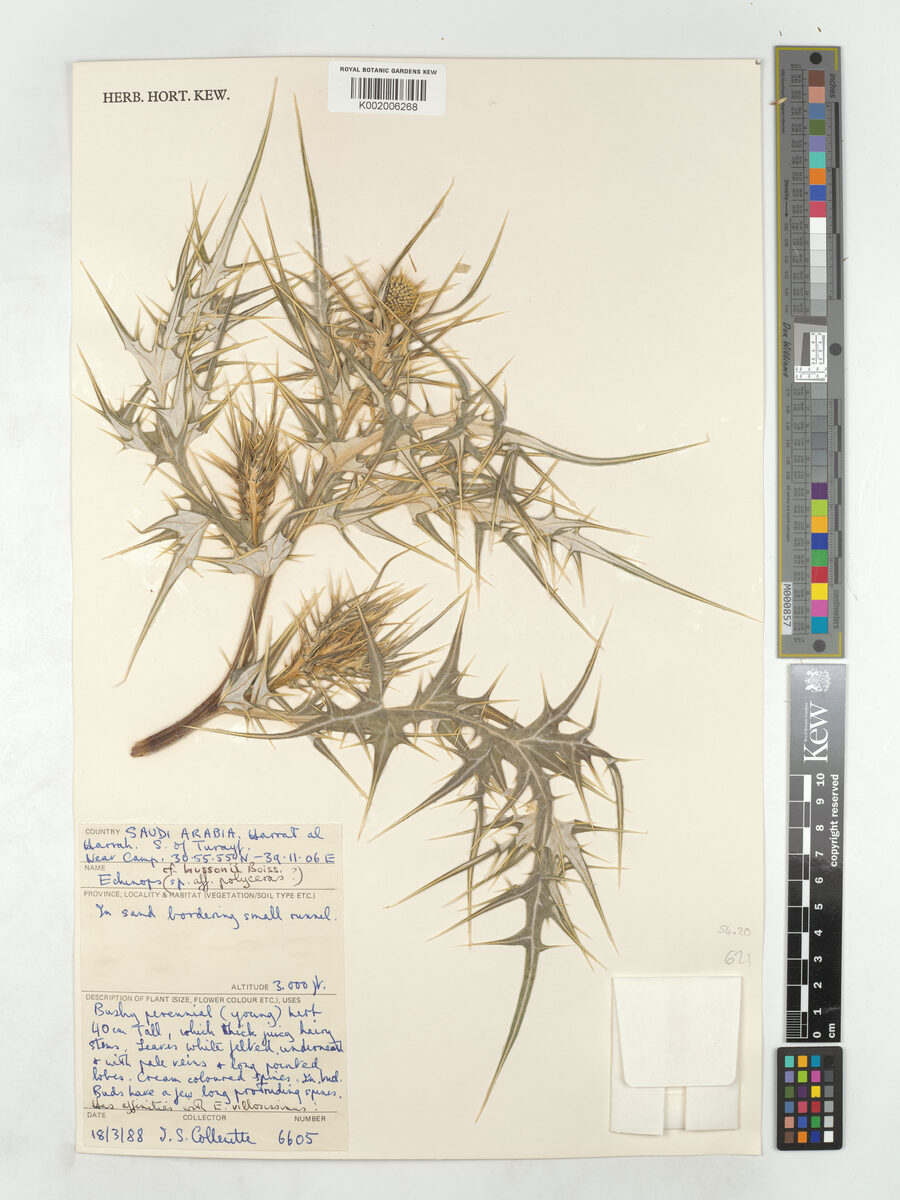
iNaturalist· cc-by-nc
(c) tateharkness, some rights reserved (CC BY-NC)
Description
A herb with a woody rhizome or underground stem. The stems can be erect and 15-80 cm tall. They have a white cottony coating. The leaves are narrow and 2-6 cm long by 4-5 mm wide. The base is heart shaped and clasps the stem. The upper leaves are smaller.
Edible Uses
The leaves are cooked and eaten as a vegetable and used as a flavouring.
Traditional Uses
The leaves are cooked and eaten as a vegetable.
This uses section is brief — help expand it
Distribution
It is a temperate plant. It grows on grasslands between 1,700-3,500 m above sea level in south China.
Where It Grows
Afghanistan, Asia, Bhutan, China, India, Nepal, Northeastern India, Pakistan, Philippines, SE Asia, Sikkim, Tibet,
Synonyms
Also Known As
Buki phool, Phunil, Xuan ye xiangqing
References (4)
- Devi, O. S., et al, 2021, Wild edible plants associated with the people of Thoubal Khunou village and its migrated villagers. Int. J. Adv. Res. Biol. Sci. 8(9): 72-90
- Encyclopedia of Life.
- Wiersema, J. H. & Leon, B., 2013, World Economic Plants. A Standard Reference CRC Press. 2nd Ed. p 50
- World Checklist of Useful Plant Species 2020. Royal Botanic Gardens, Kew