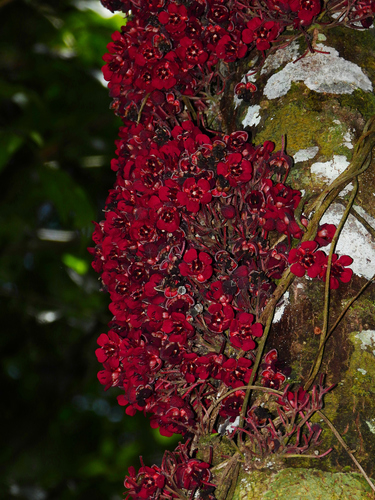
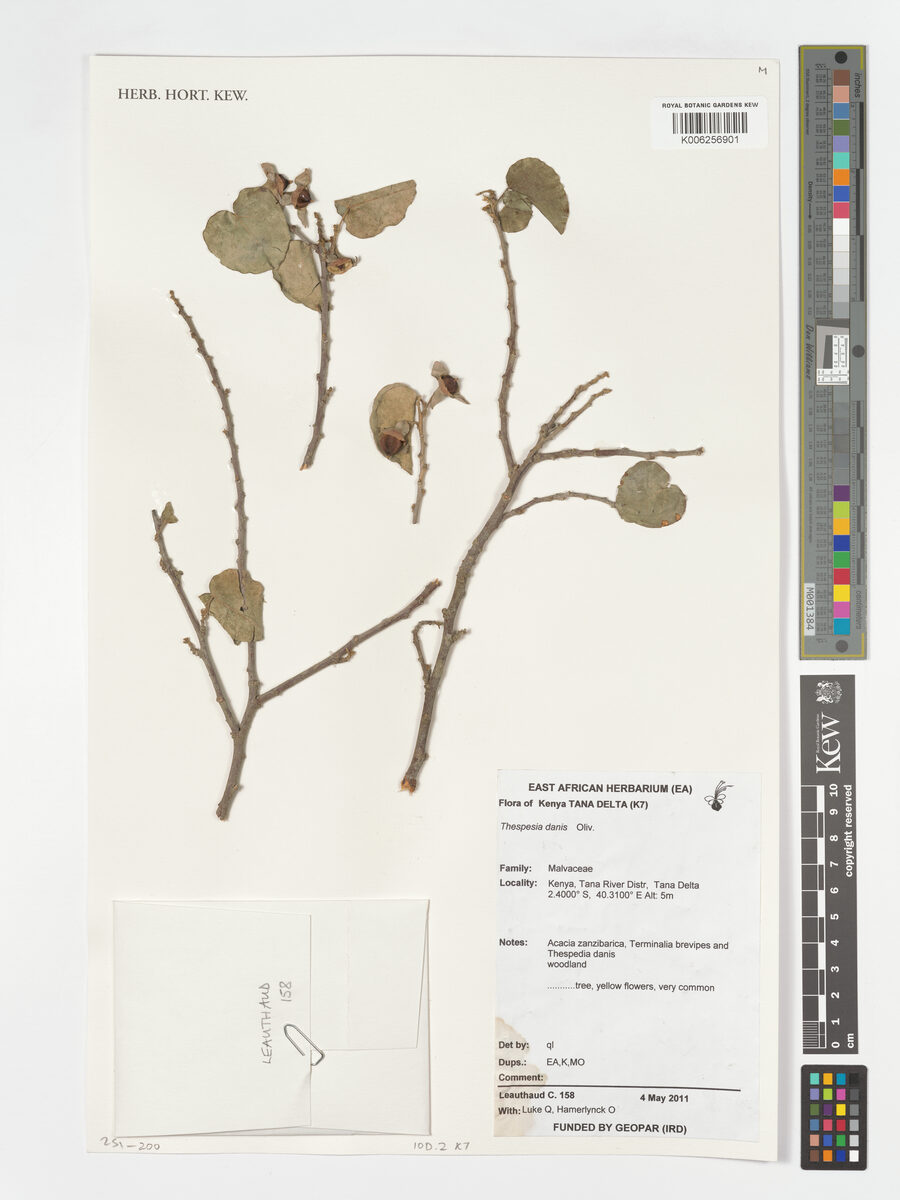
Sidalcea neomexicana
A. Gray
New Mexico prairie mallow, Salt spring checkerboom
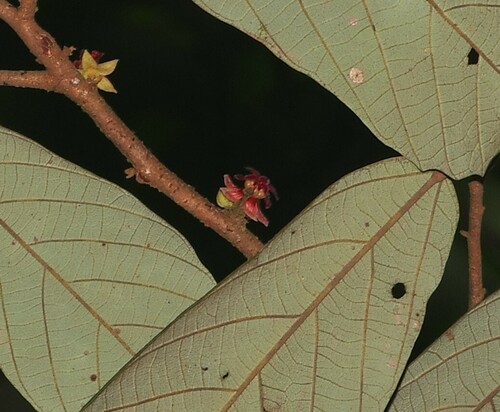
iNaturalist· cc-by-nc-sa
(c) Jerry Oldenettel, some rights reserved (CC BY-NC-SA)
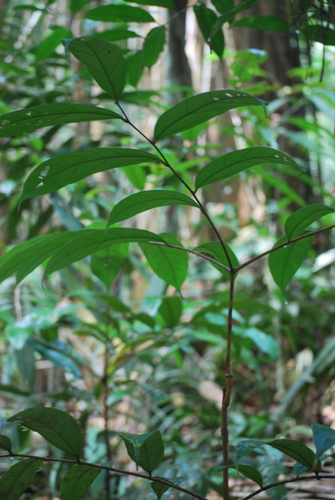
iNaturalist· cc-by-nc
(c) Steve Ganley, some rights reserved (CC BY-NC)
Summary
Source: WikipediaSidalcea neomexicana is a species of flowering plant in the mallow family known by the common names salt spring checkerbloom, Rocky Mountain checker-mallow, and New Mexico checker.
Description
A herb or small shrub. It grows from a cluster of fleshy roots. The stem is 20-90 cm tall. The leaves are fleshy and can have deep lobes. The flowers are in a loose cluster. The petals and pink and 2 cm long.
Edible Uses
The leaves can be cooked and eaten as greens.
Traditional Uses
The leaves are cooked and eaten.
This uses section is brief — help expand it
Medicinal Uses
A cold infusion of the plant has been used in the treatment of internal injuries.
Distribution
It is a temperate plant.
Where It Grows
Australia, North America, USA,
Cultivation
Prefers a deep fertile well-drained but moisture-retentive soil in a sunny position but with some shade at the hottest part of the day. Hardy to at least -15°c, but where prolonged cold spells without snow cover are experienced it is best to apply a good mulch of bracken in the winter. Plants thrive in climates with relatively cool summers and mild winters. If the plants are cut back immediately after flowering they will produce a second flush of flowers in late summer. Plants are sometimes infested with rust, Puccinia malvacearum.
Propagation
Sow seed in spring in a cold frame. When large enough to handle, prick seedlings out into individual pots and grow them on in the greenhouse through their first winter. Plant out into permanent positions in late spring or early summer, after the last expected frosts. The plant can also be propagated by division in spring.
Other Uses
None known
Notes
There are about 20 or 25 Sidalcea species.
References (3)
- Hibbert, M., 2002, The Aussie Plant Finder 2002, Florilegium. p 291
- Kermath, B. M., et al, 2014, Food Plants in the Americas: A survey of the domesticated, cultivated and wild plants used for Human food in North, Central and South America and the Caribbean. On line draft. p 801
- Plants for a Future database, The Field, Penpol, Lostwithiel, Cornwall, PL22 0NG, UK. http://www.scs.leeds.ac.uk/pfaf/