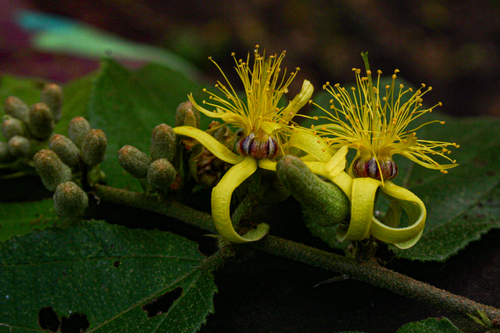
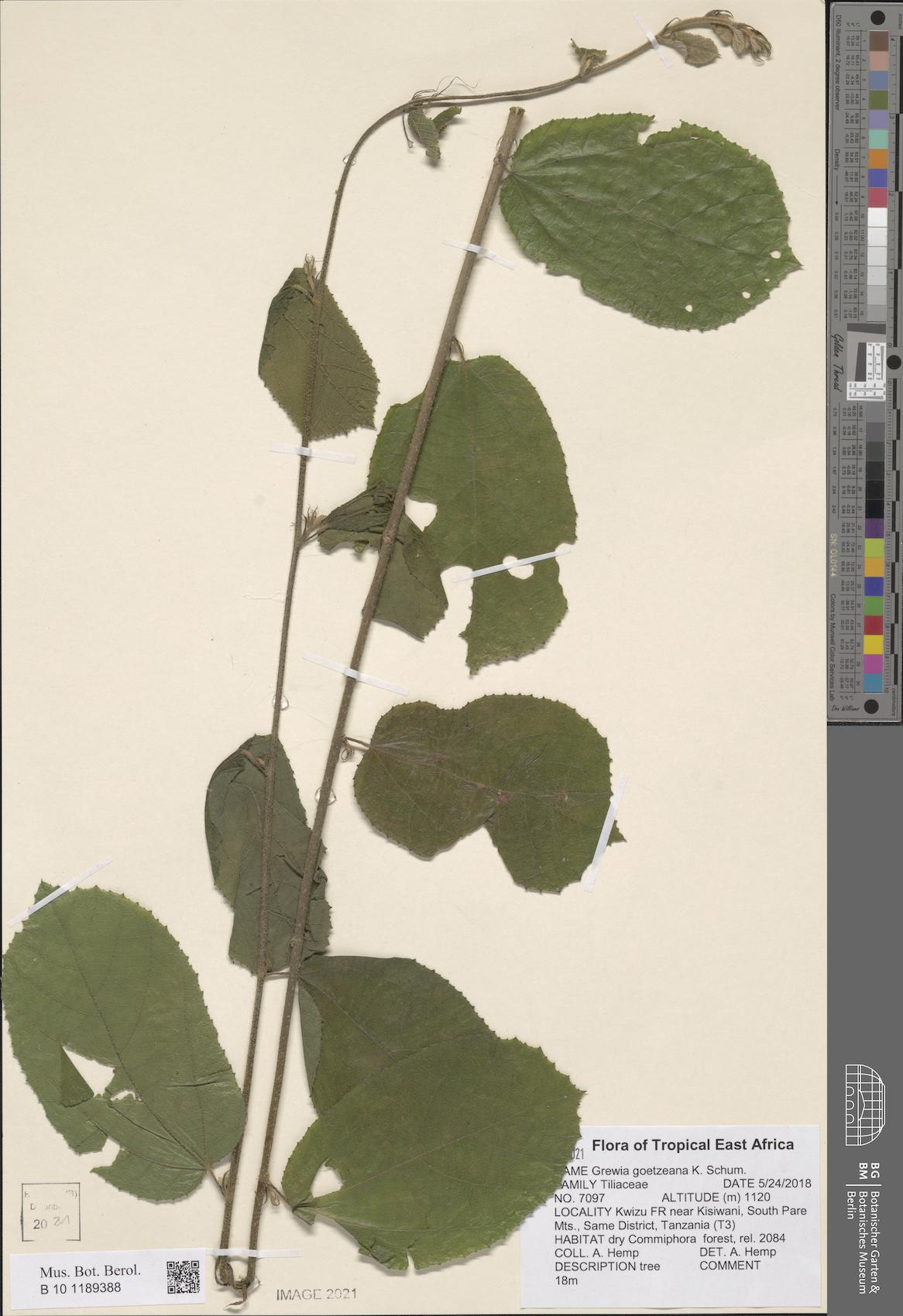
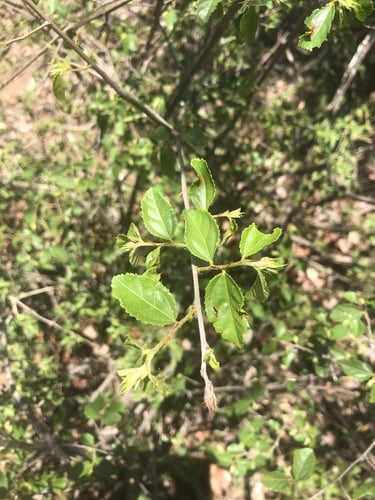
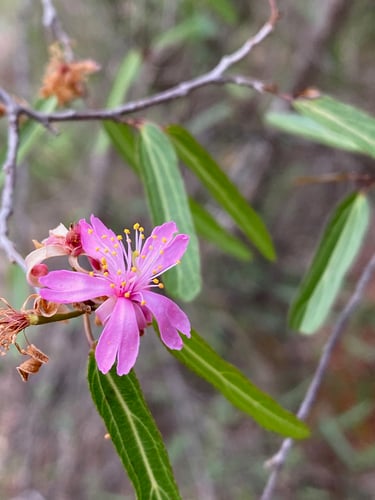
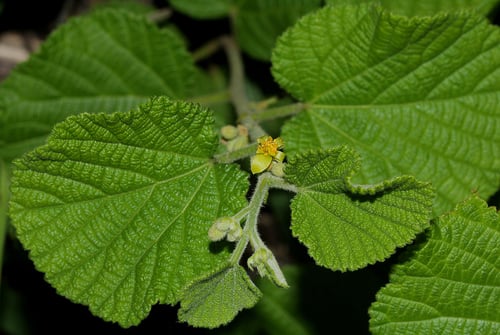
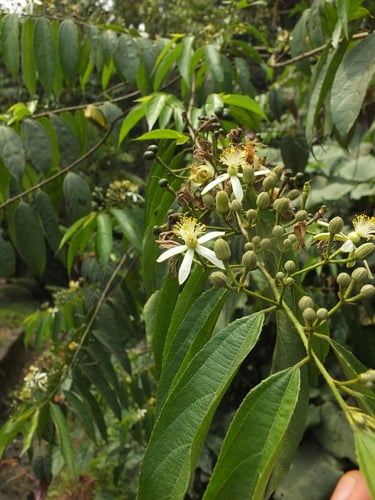
Tilia americana var. mexicana
(Schltdl.) Hardin
gbif· cc-by
Royal Botanic Gardens, Kew
gbif· cc-by-nc-sa
MBG
gbif· cc-by-nc-sa
MBG
Summary
Source: WikipediaTilia americana is a species of tree in the family Malvaceae, native to eastern North America, from southeast Manitoba east to New Brunswick, southwest to northeast Oklahoma, southeast to South Carolina, and west along the Niobrara River to Cherry County, Nebraska. It is the sole representative of its genus in the Western Hemisphere, assuming T. caroliniana is treated as a subspecies or local ecotype of T. americana. Common names include American basswood and American linden.
Description
A tropical tree with edible flowers, buds, and sap.
This description is brief — help expand it
Edible Uses
The flowers are used in salads, the sap is used in candy, and the leaves and flowers are brewed for tea.
Traditional Uses
The flowers are used in salads. The sap is used in candy. The leaves and flowers are used for tea.
This uses section is brief — help expand it
Medicinal Uses
Although Tilia cordata is believed to be stronger, T. americana is also used medicinally. The dried flowers are mildly sweet and sticky, and the fruit is somewhat sweet and mucilaginous. Linden tea has a pleasing taste, due to the aromatic volatile oil found in the flowers. The flowers, leaves, wood, and charcoal (obtained from the wood) are used for medicinal purposes. Active ingredients in the linden flowers include flavonoids (which act as antioxidants), volatile oils, and mucilaginous constituents (which soothe and reduce inflammation). The plant also contains tannins that can act as an astringent. Linden flowers are used in colds, cough, fever, infections, inflammation, high blood pressure, headache (particularly migraine), as a diuretic (increases urine production), antispasmodic (reduces smooth muscle spasm along the digestive tract), and sedative. The flowers were added to baths to quell hysteria, and steeped as a tea to relieve anxiety-related indigestion, irregular heartbeat, and vomiting. The leaves are used to promote sweating to reduce fevers. The wood is used for liver and gallbladder disorders and cellulitis (inflammation of the skin and surrounding soft tissue). The wood burned to charcoal is ingested to treat intestinal disorders and used topically to treat edema or infection, such as cellulitis or ulcers of the lower leg. Several animal studies showed that the extract of T. americana increased sleeping time by 50 minutes (similar to the effects of diazepam) and decreased movement, which indicates sedative effects. It is argued that its mechanism of action is due to the flavonoid quercetin, as it inhibits the release of histamine.
Distribution
It is a tropical plant.
Where It Grows
Mexico,
Synonyms
References (1)
- Kermath, B. M., et al, 2014, Food Plants in the Americas: A survey of the domesticated, cultivated and wild plants used for Human food in North, Central and South America and the Caribbean. On line draft. p 868