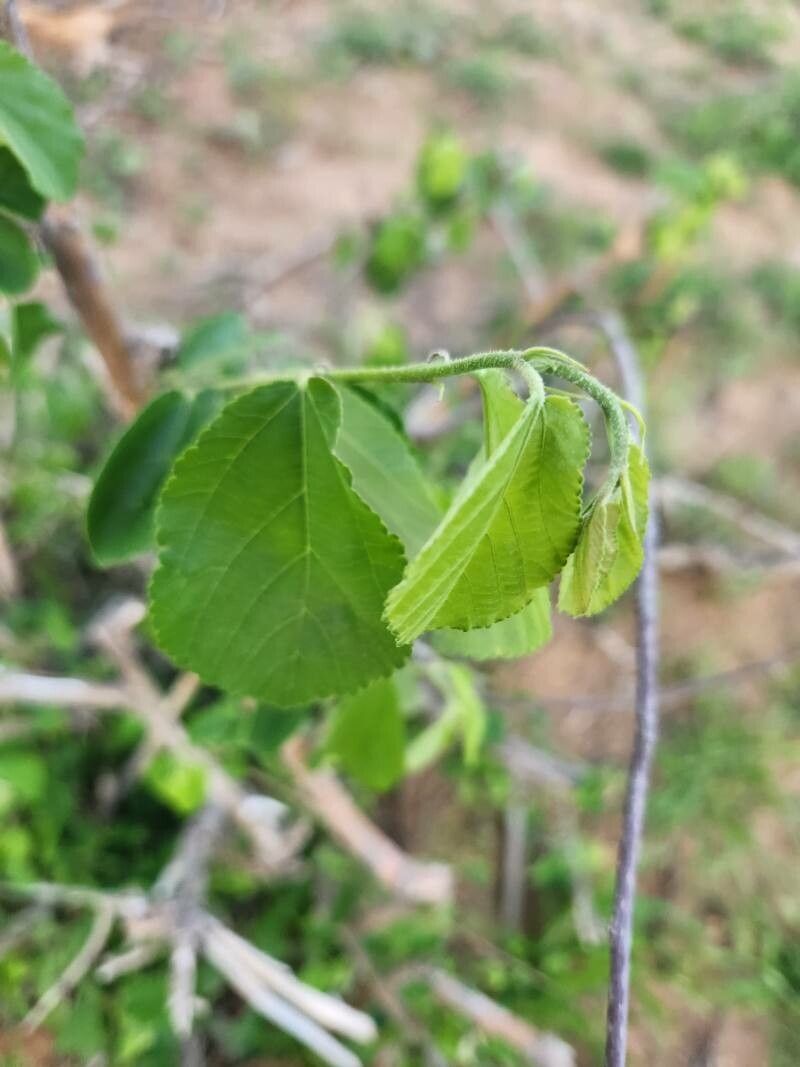
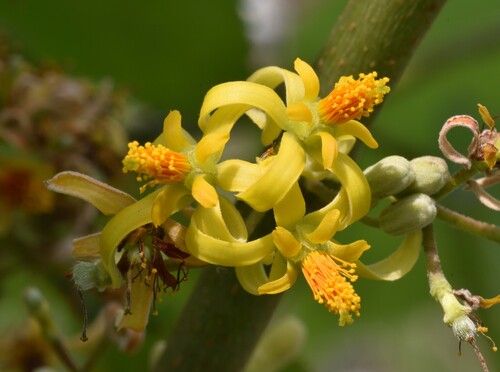
Tilia americana var. heterophylla
(Vent.) Loudon
White basswood
iNaturalist· cc-by-nc
(c) Misha Zitser, some rights reserved (CC BY-NC)
iNaturalist· cc-by-nc
(c) Misha Zitser, some rights reserved (CC BY-NC)
iNaturalist· cc-by-nc
(c) Misha Zitser, some rights reserved (CC BY-NC)
Summary
Source: WikipediaTilia americana is a species of tree in the family Malvaceae, native to eastern North America, from southeast Manitoba east to New Brunswick, southwest to northeast Oklahoma, southeast to South Carolina, and west along the Niobrara River to Cherry County, Nebraska. It is the sole representative of its genus in the Western Hemisphere, assuming T. caroliniana is treated as a subspecies or local ecotype of T. americana. Common names include American basswood and American linden.
Description
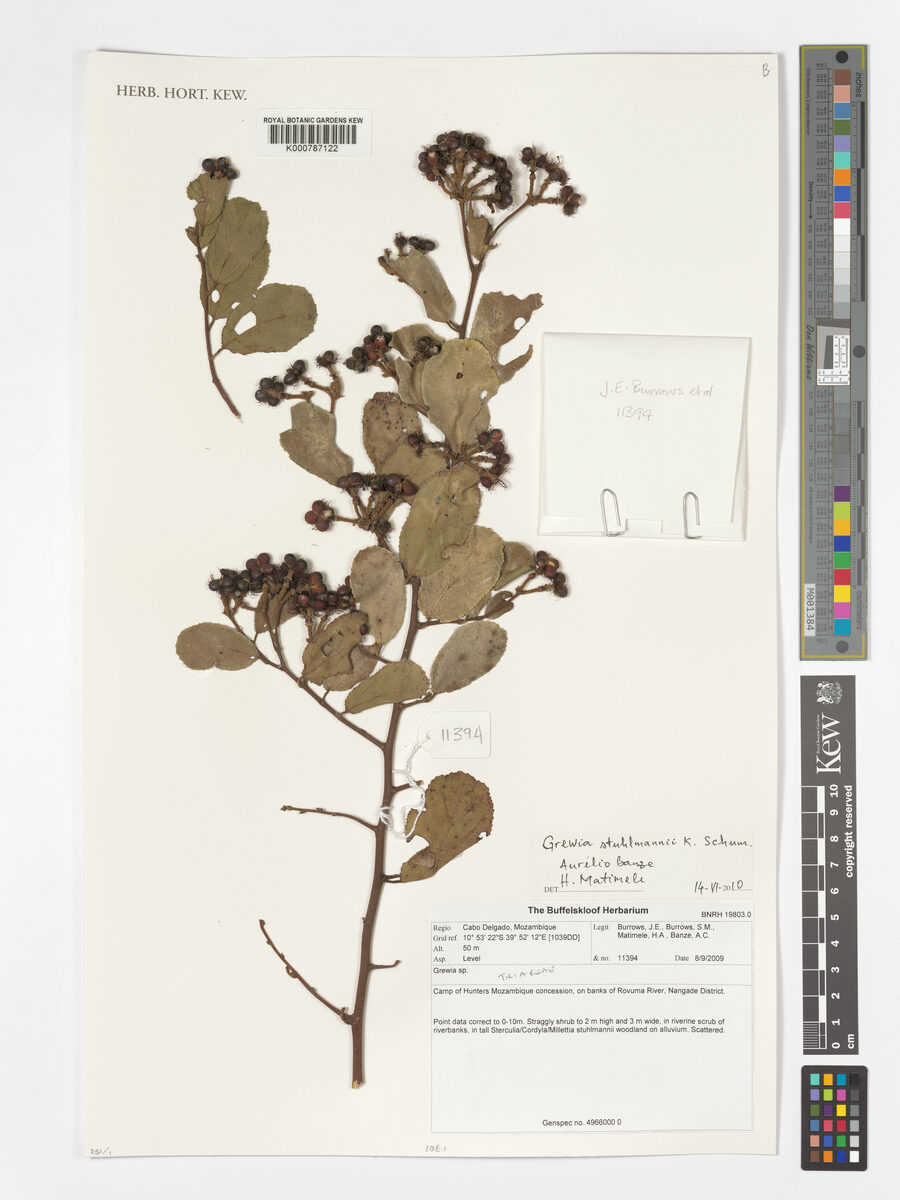
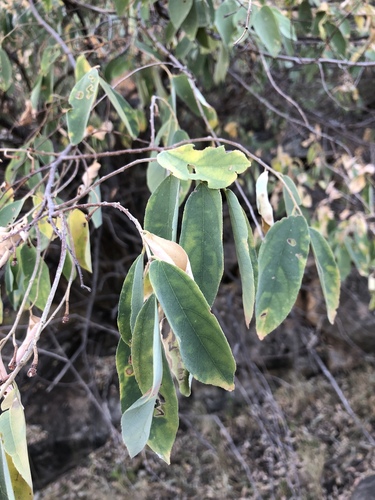
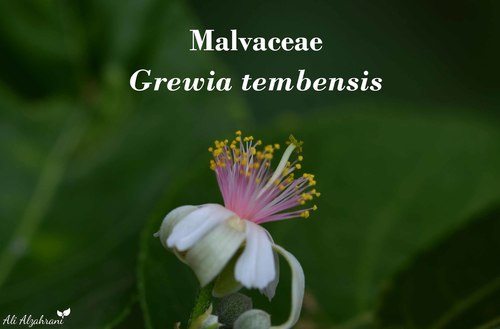
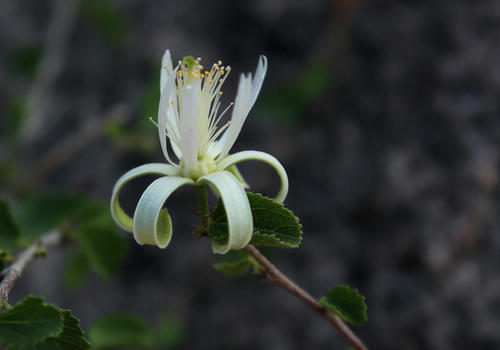
A large tree. It grows 18-24 m high. The trunk is 60 cm across. The leaves are large and in 2 rows. They are 7.5-18 cm long and wide. They are broadly oval with a long point at the tip. The base is unequal. There are coarse teeth along the edge. The veins spread out like fingers on a hand. The leaf stalk is long and slender. The leaves are shiny green above and paler underneath. The flowers are 12-15 mm wide with 5 pale yellow petals. They are on clusters on long stalks. They hang in the middle of leafy bracts. The fruit are 10 mm across. They are nut-like and round. They are covered with fine hairs and have 1-2 seeds.
Edible Uses
The leaves are edible.
Medicinal Uses
Although Tilia cordata is believed to be stronger, T. americana is also used medicinally. The dried flowers are mildly sweet and sticky, and the fruit is somewhat sweet and mucilaginous. Linden tea has a pleasing taste, due to the aromatic volatile oil found in the flowers. The flowers, leaves, wood, and charcoal (obtained from the wood) are used for medicinal purposes. Active ingredients in the linden flowers include flavonoids (which act as antioxidants), volatile oils, and mucilaginous constituents (which soothe and reduce inflammation). The plant also contains tannins that can act as an astringent. Linden flowers are used in colds, cough, fever, infections, inflammation, high blood pressure, headache (particularly migraine), as a diuretic (increases urine production), antispasmodic (reduces smooth muscle spasm along the digestive tract), and sedative. The flowers were added to baths to quell hysteria, and steeped as a tea to relieve anxiety-related indigestion, irregular heartbeat, and vomiting. The leaves are used to promote sweating to reduce fevers. The wood is used for liver and gallbladder disorders and cellulitis (inflammation of the skin and surrounding soft tissue). The wood burned to charcoal is ingested to treat intestinal disorders and used topically to treat edema or infection, such as cellulitis or ulcers of the lower leg. Several animal studies showed that the extract of T. americana increased sleeping time by 50 minutes (similar to the effects of diazepam) and decreased movement, which indicates sedative effects. It is argued that its mechanism of action is due to the flavonoid quercetin, as it inhibits the release of histamine.
Distribution
It is a temperate plant. It grows in moist soils in valleys in southern USA.
Where It Grows
North America, USA,
Notes
These have also been in the Tiliaceae.
Synonyms
References (5)
- Anales Hist. Nat. 2:28. 1800
- Grandtner, M. M., 2008, World Dictionary of Trees. Wood and Forest Science Department. Laval University, Quebec, Qc Canada. (Internet database http://www.wdt.qc.ca)
- Little, E.L., 1980, National Audubon Society Field Guide to North American Trees. Alfred A. Knopf. p 600
- Moerman, D. F., 2010, Native American Ethnobotany. Timber Press. p 562
- Plants for a Future database, The Field, Penpol, Lostwithiel, Cornwall, PL22 0NG, UK. http://www.scs.leeds.ac.uk/pfaf/