Semecarpus longifolius
Blume
Anagas
iNaturalist· cc-by-nc
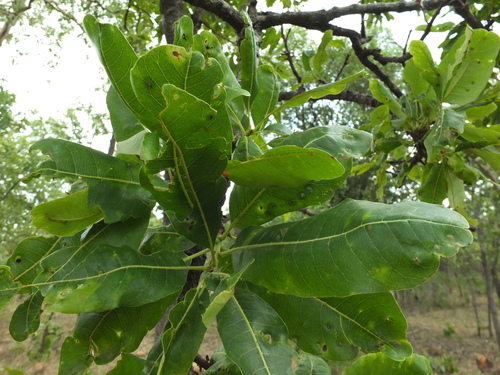
(c) Stargazer, some rights reserved (CC BY-NC), uploaded by Stargazer
iNaturalist· cc-by-nc
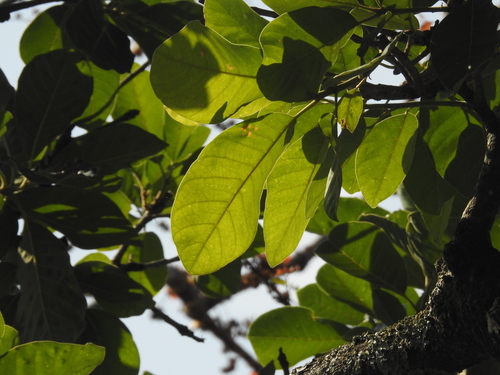
(c) Stargazer, some rights reserved (CC BY-NC), uploaded by Stargazer
iNaturalist· cc-by-nc
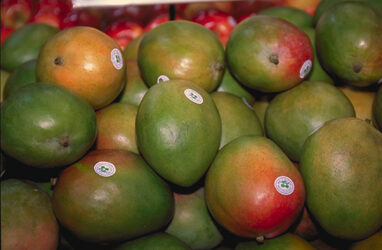
(c) Stargazer, some rights reserved (CC BY-NC), uploaded by Stargazer
Description
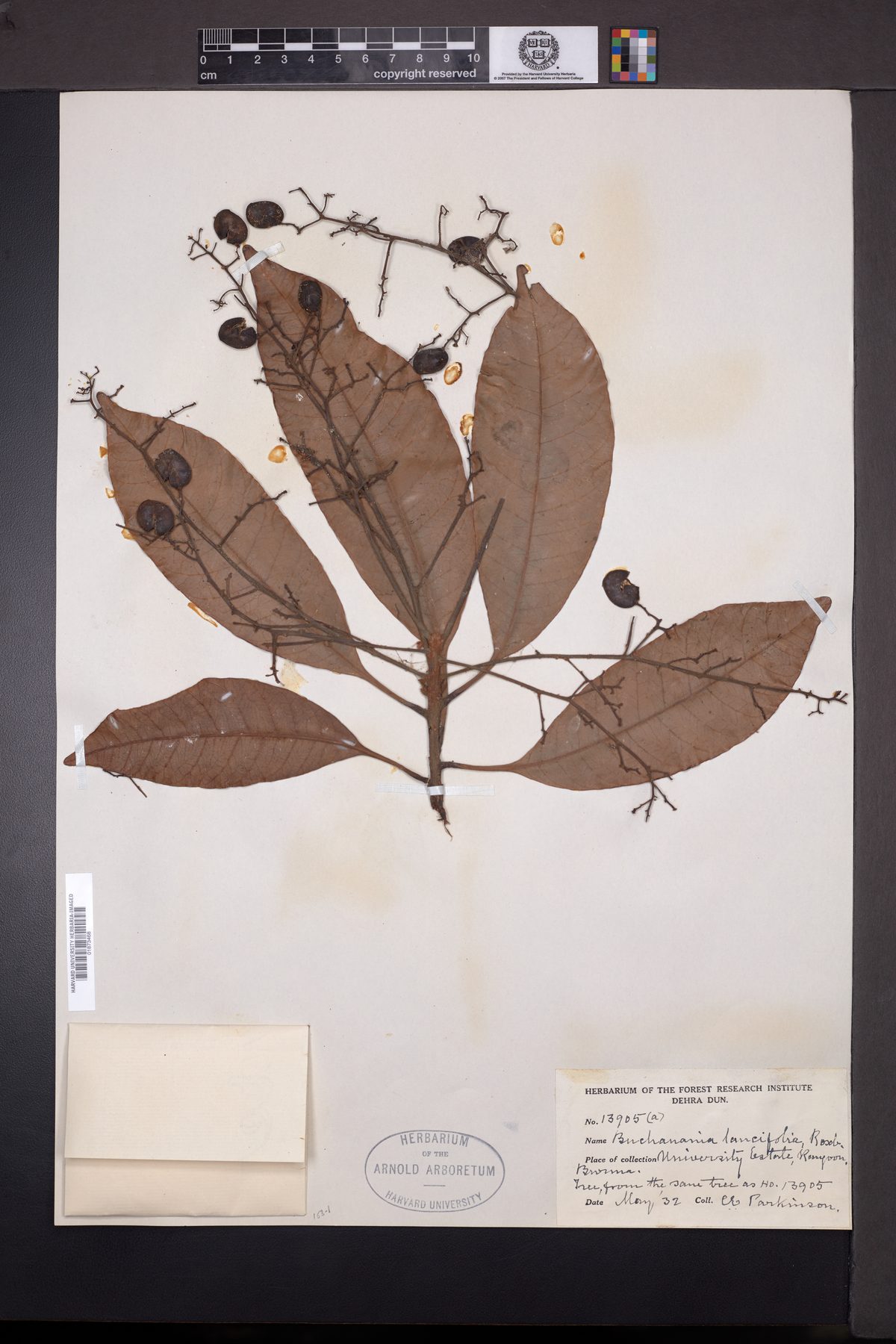
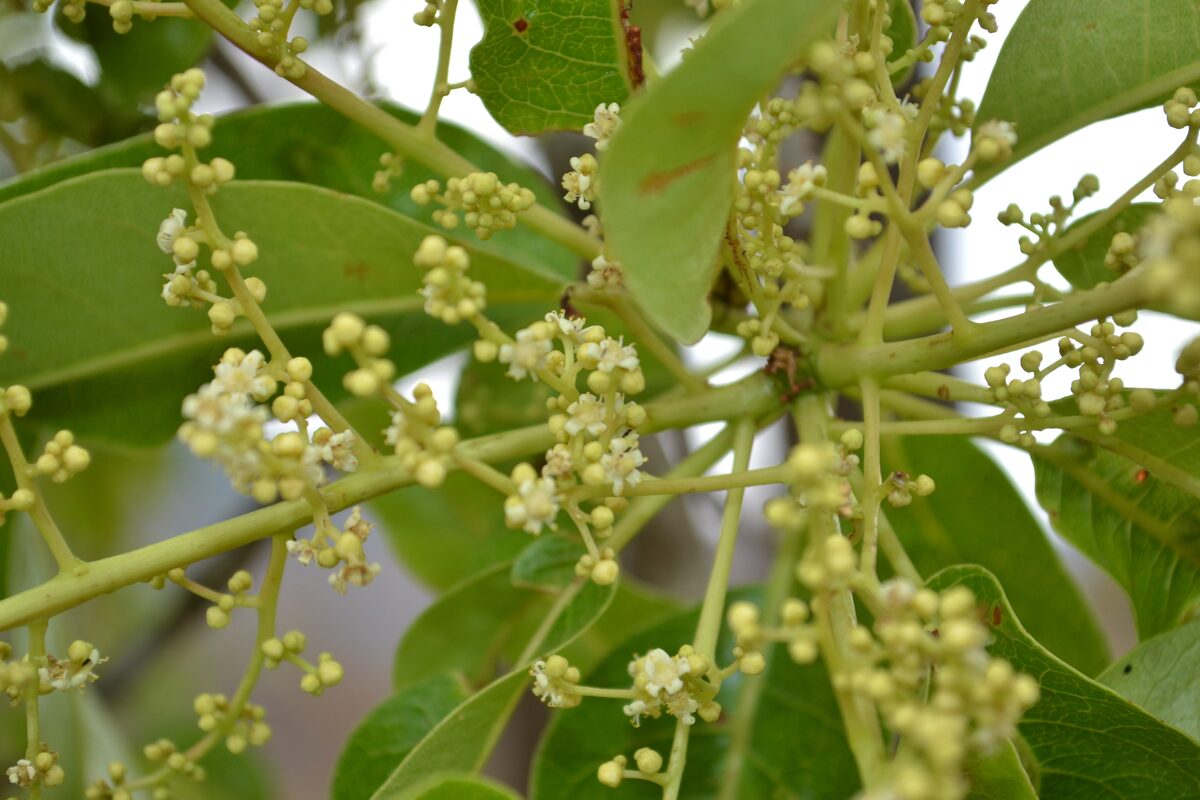
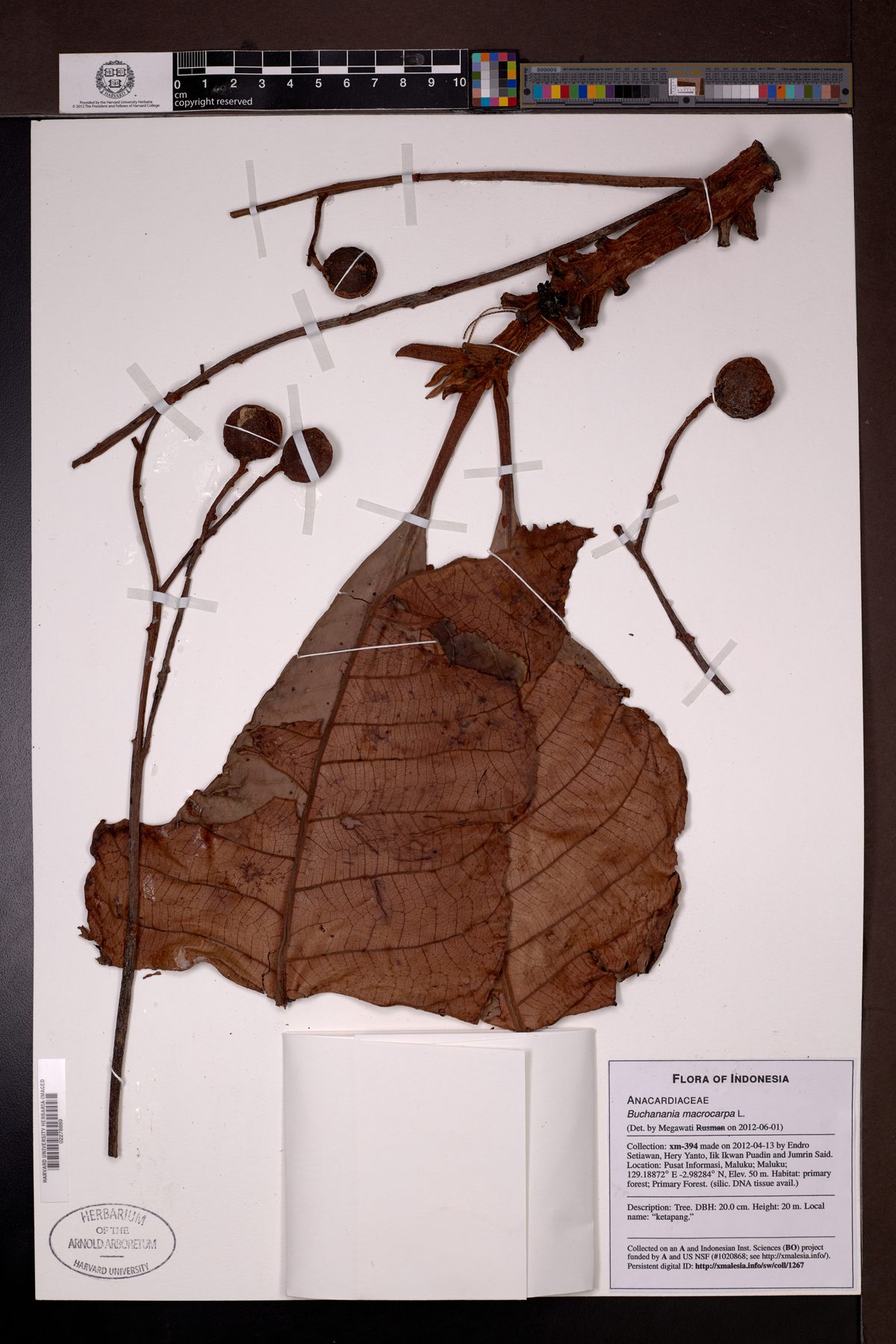
A tree. It loses its leaves during the year. It grows 20 tall and the trunk is 30 cm across. The leaves are very large. The flowers are on the trunk and branches. The flowers are white. The fruit is fleshy with a stone. It grows 1-2 cm across. The fruit stalk is cone shaped and 2 cm long by 1.5 cm wide. The sap can irritate the skin.
Edible Uses
Fruit - raw or cooked. Fleshy and juicy, but somewhat astringent. The deep purple fruits are about 3 - 4cm long.
Traditional Uses
The ripe fruit are eaten.
This uses section is brief — help expand it
Known Hazards
The shell surrounding the seed is likely to contain a strongly irritant substance. If this is the same as for the related cashew nut, then it will be destroyed by roasting.
Distribution
A tropical plant. It grows in lowland forests. It grows near seashores.
Where It Grows
Asia, Indonesia, Philippines, SE Asia, Taiwan,
Cultivation
Plants can be grown from seed.
Synonyms
Also Known As
Anagas-babae, Chollocho, Manalu, Libas, Kasoy-kasoy
References (4)
- Carig, Elizabeth T., 2020, Guidebook on Native Trees within the Quirino Forest Landscape. Plaridel, Bulacan, St. Andrew Publishing House. p 88
- Lacuna-Richman, C., 2006, The use of non-wood forest products by migrants in a new settlement: experiences of a Visayan community in Palawan, Philippines. Journal of Ethnobiology and Ethnomedicine. 2:36
- PROSEA NO. 2
- World Checklist of Useful Plant Species 2020. Royal Botanic Gardens, Kew