Semecarpus forstenii
Blume
Moluccan Rengas
wikimedia· cc0
Wikimedia Commons (via Wikimedia Commons)
gbif· cc0
President and Fellows of Harvard College
gbif· cc0
President and Fellows of Harvard College
gbif· cc0
President and Fellows of Harvard College
Summary
Source: WikipediaSemecarpus forstenii is a species of tree in the family Anacardiaceae. It is found in Indonesia, Papua New Guinea, and the Solomon Islands. The tree's sap is poisonous.
Description
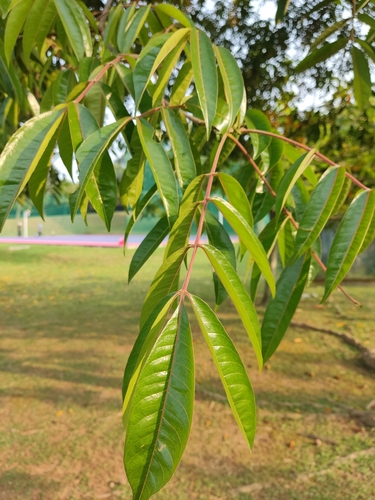
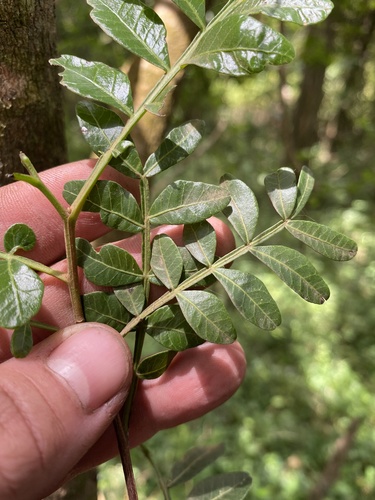
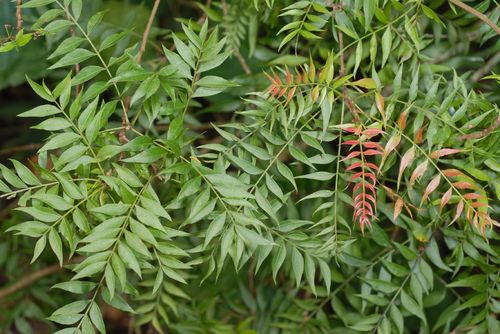
A shrub or tree 3-10 m tall. It can grow to 27 m high. The trunk can be 40 cm across. The leaves are alternate and oblong 16-50 x 7-11 cm. The leaf stalk is 1-4 cm long. The sap of the tree can damage the skin. The flowers are 2.5 mm across. They are white and in groups. The fruit are 8 mm long and orange and fleshy.
Edible Uses
The fleshy fruit stalk is eaten.
Traditional Uses
The fleshy fruit stalk is eaten. CAUTION The sap of the tree can badly damage the skin.
This uses section is brief — help expand it
Known Hazards
The sap of the tree can badly damage the skin.
Distribution
A tropical plant. It grows in rainforest up to 1,200 m above sea level. It is often in swamps.
Where It Grows
Asia, Indonesia, Pacific, Papua New Guinea, PNG, Philippines, SE Asia, Solomon Islands,
Cultivation
Plants can be grown from seeds.
Notes
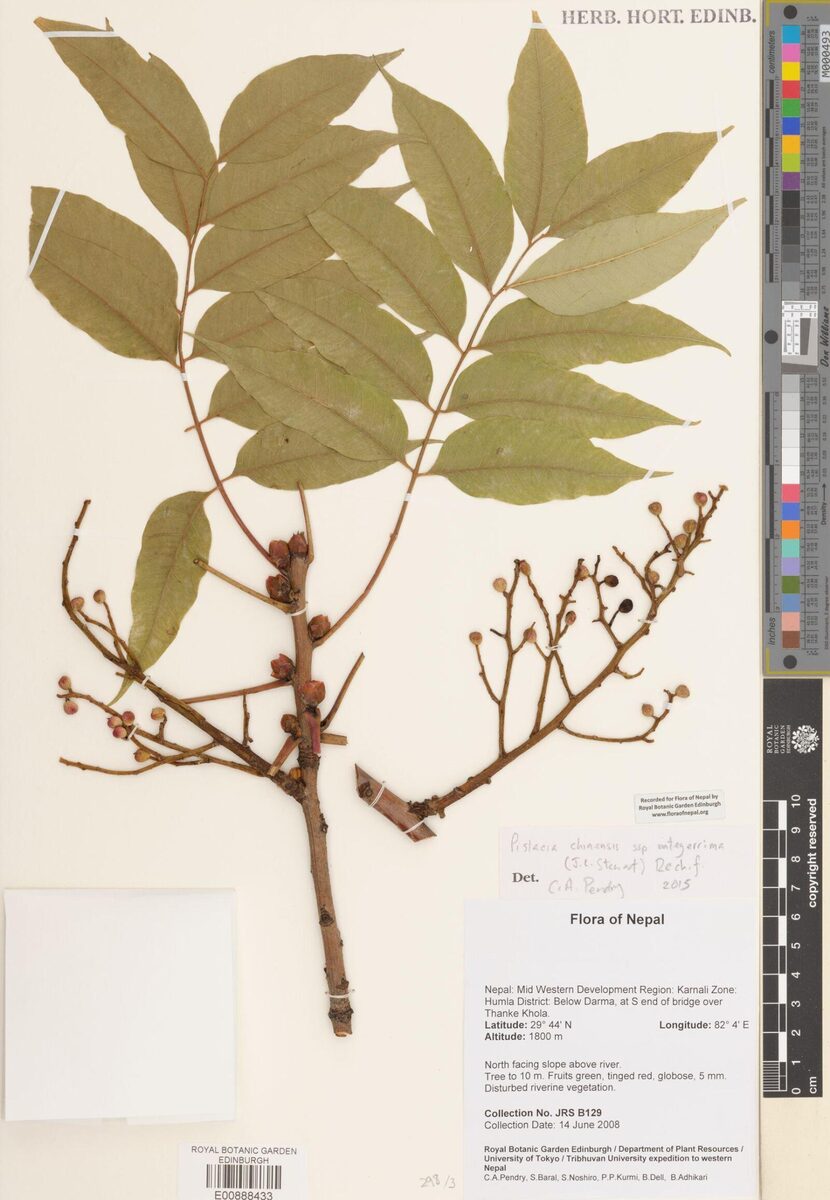
Collected on Makira San Cristobel by Brass. Specimen in Harvard herbarium.
Synonyms
Also Known As
Pohon rengas maluku
References (6)
- Blume, 1850, Mus. Bot. 1.
- French, B.R., 2010, Food Plants of Solomon Islands. A Compendium. Food Plants International Inc. p 385
- Hedrick, U.P., 1919, (Ed.), Sturtevant's edible plants of the world. p 603
- Peekel, P.G., (Trans. Henty, E., 1984), Flora of the Bismarck Archipelago, Division of Botany, PNG. P 326-328.
- Sukarya, D. G., (Ed.) 2013, 3,500 Plant Species of the Botanic Gardens of Indonesia. LIPI p 503
Show all 6 references Hide references
- World Checklist of Useful Plant Species 2020. Royal Botanic Gardens, Kew