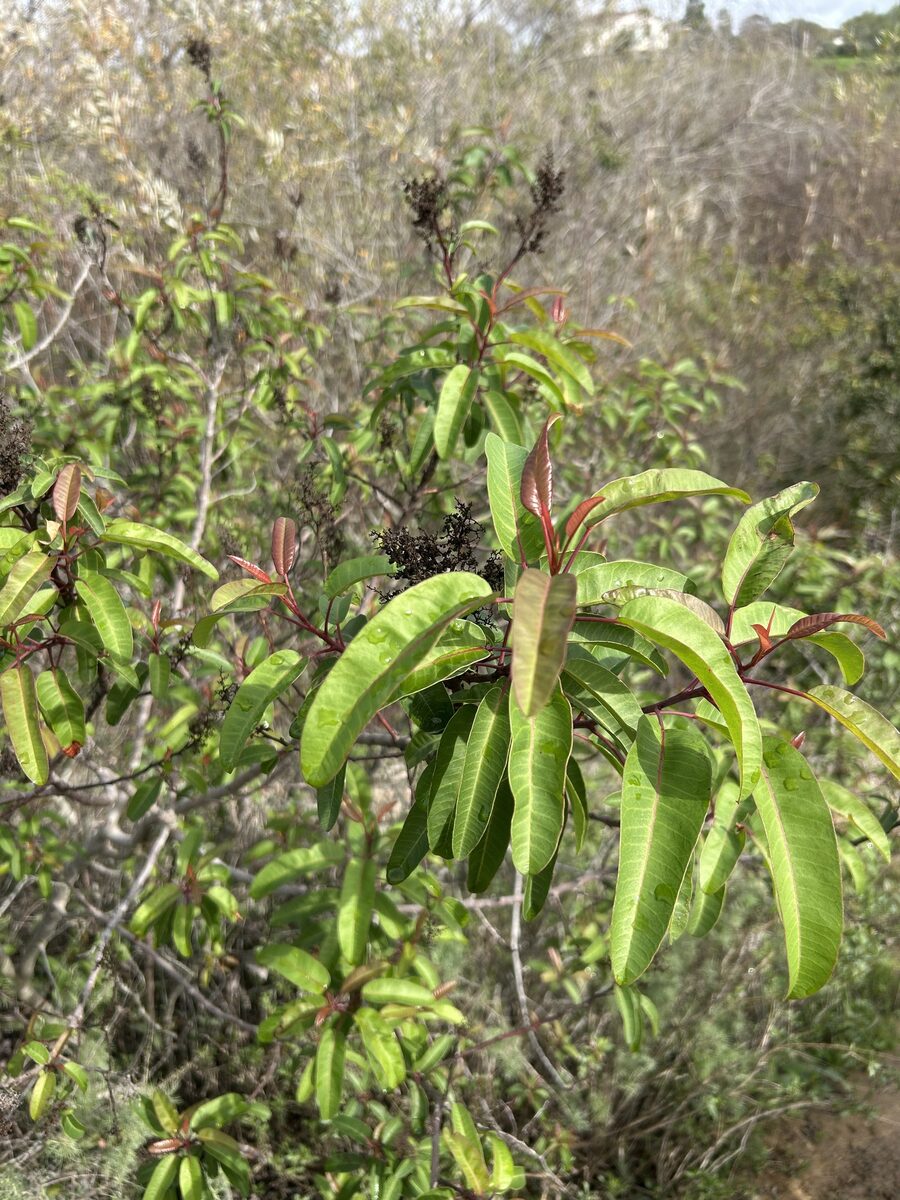
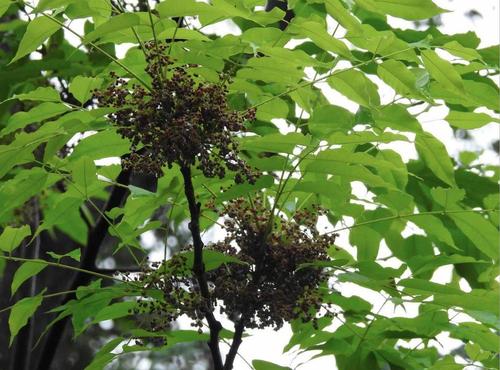
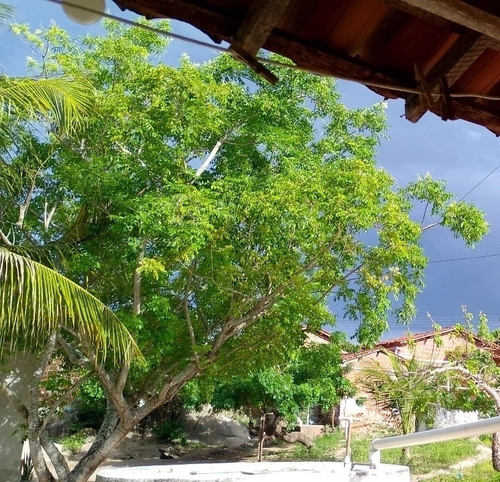
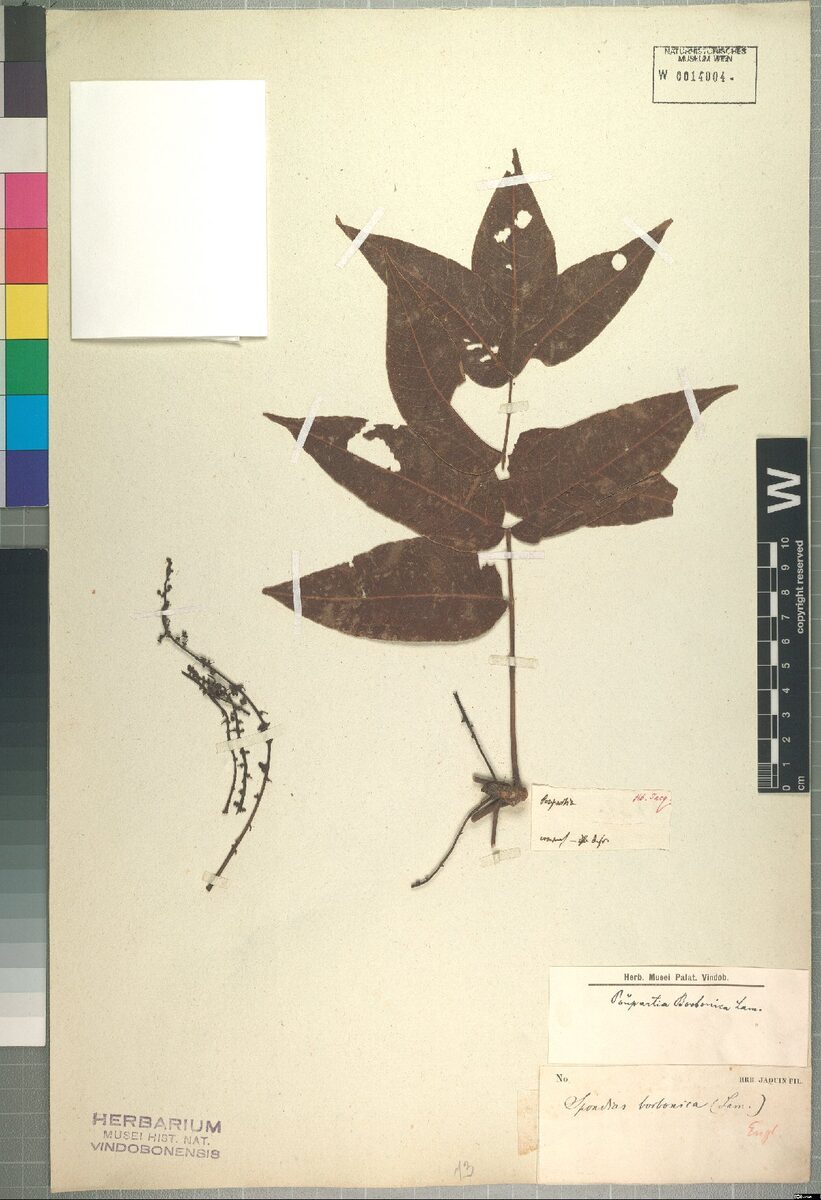
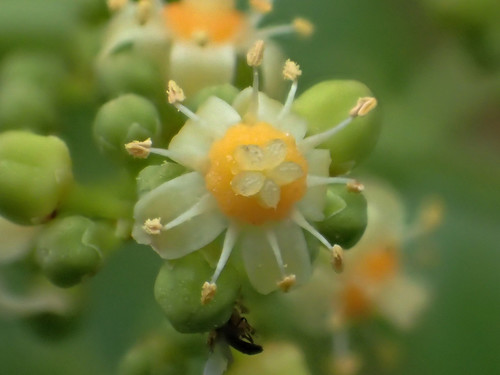
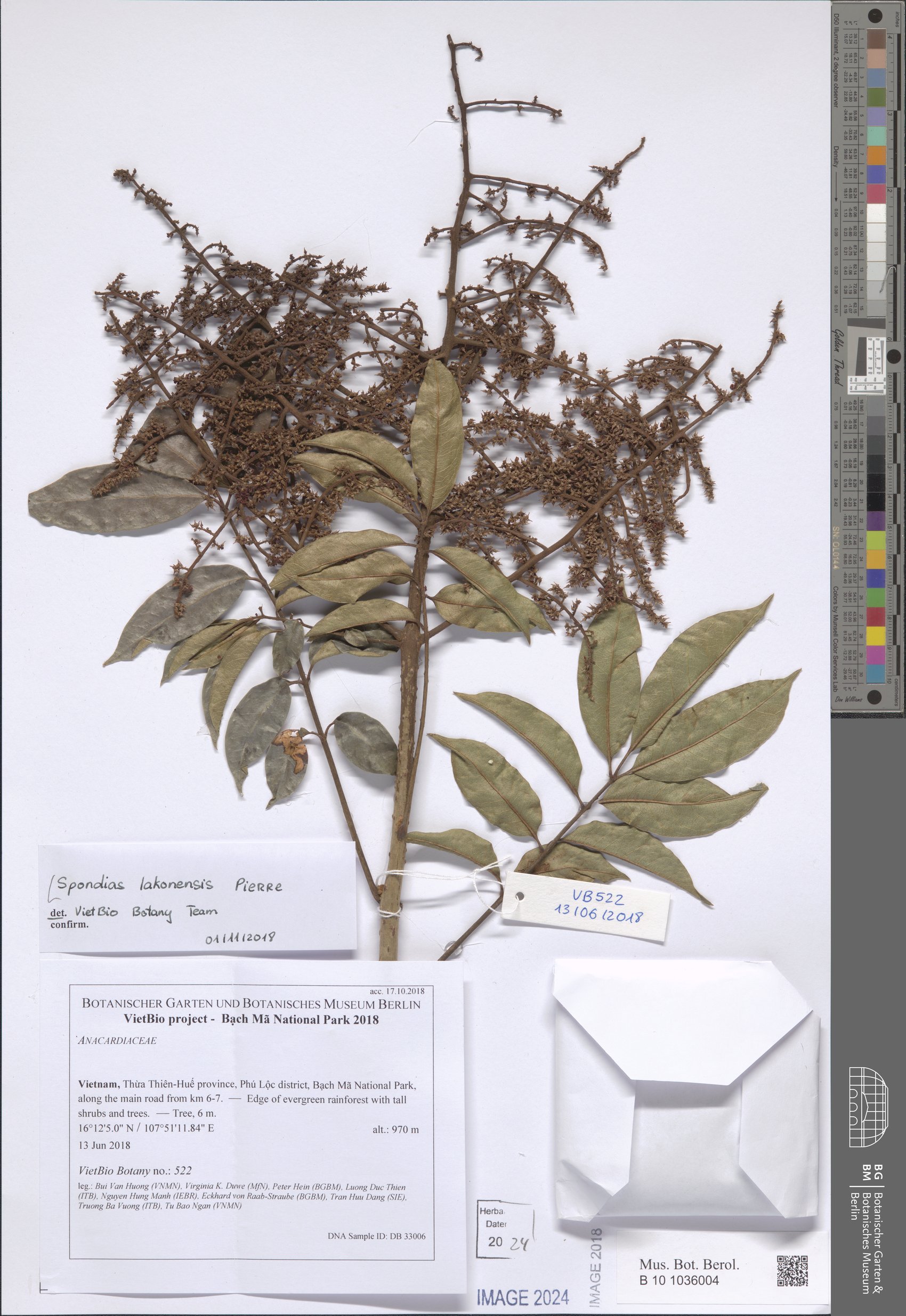
Pistacia atlantica subsp. mutica
Fisch. & C. A. Mey.
Turk terebinth pistache
gbif· cc-by-nc
Вадим
gbif· cc-by-nc
Вадим
gbif· cc-by-nc
Вадим
Summary
Source: WikipediaPistacia atlantica is a species of pistachio tree known by the English common name Mt. Atlas mastic tree, Atlas pistachio, Atlantic pistacio, Atlantic terebinth, wild pistachio, and Cyprus turpentine tree. P. atlantica has three subspecies or varieties which have been described as atlantica, cabulica, and mutica. According to molecular phylogenetic studies, P. atlantica subsp. kurdica is actually a separate species, Pistacia eurycarpa.
Description
A tree.
This description is brief — help expand it
Edible Uses
There are many uses for this plant. This wild pistachio is the most economically important tree in many parts of the Kurdish regions, including the Zagros Mountains, where it is managed as a valuable forest tree. The resin and fruit oil were historically used for a variety of medicinal purposes. The resin, known in Iran as saqez, is still an important commodity. Another important use is to combat soil erosion. It strengthens the soil, and is used for reforestation of arid and steep slopes and against landslides. It is stronger than Pistacia terebinthus, where it is used as rootstock in Ukraine and the United States for growing Pistacia vera, but resists frost better than P. terebinthus. The resin is used to manufacture alcohol and lacquer. Its essential oils are used in perfume industry. The leaves are rich in tannins, up to 20% in the galls caused by an aphid parasite, used as the raw material for tanning in the leather industry. The sap is dried and used as incense, and its smoke releases a pleasant smell to the local environment for celebrations and religious ceremonies, as "incense".
Traditional Uses
The resin is chewed. The nuts are sometimes eaten. The seeds are pressed for their edible oil.
This uses section is brief — help expand it
Distribution
It is a temperate plant.
Where It Grows
Armenia, Asia, Azerbaijan, Caucasus, Georgia, Iran, Iraq, Middle East,
Notes
Now Pistacia atlantica.
References (5)
- Facciola, S., 1998, Cornucopia 2: a Source Book of Edible Plants. Kampong Publications, p 172
- R. F. Hohenacker, Bull. Soc. Imp. Naturalistes Moscou 11(4):338. 1838 (Enum. pl. Talysch 102.)
- Postman, J. D., et al, 2012, Recent NPGS Coordinated Expeditions in the Trans-Caucasus Region to Collect Wild Relatives of Temperate Fruit and Nut Crops. In Acta Horticulturae Number 948 p 191-198
- Uphof,
- van Wyk, B., 2005, Food Plants of the World. An illustrated guide. Timber press. p 299