Pistacia aethiopica
Lincz.
iNaturalist· cc-by-nc
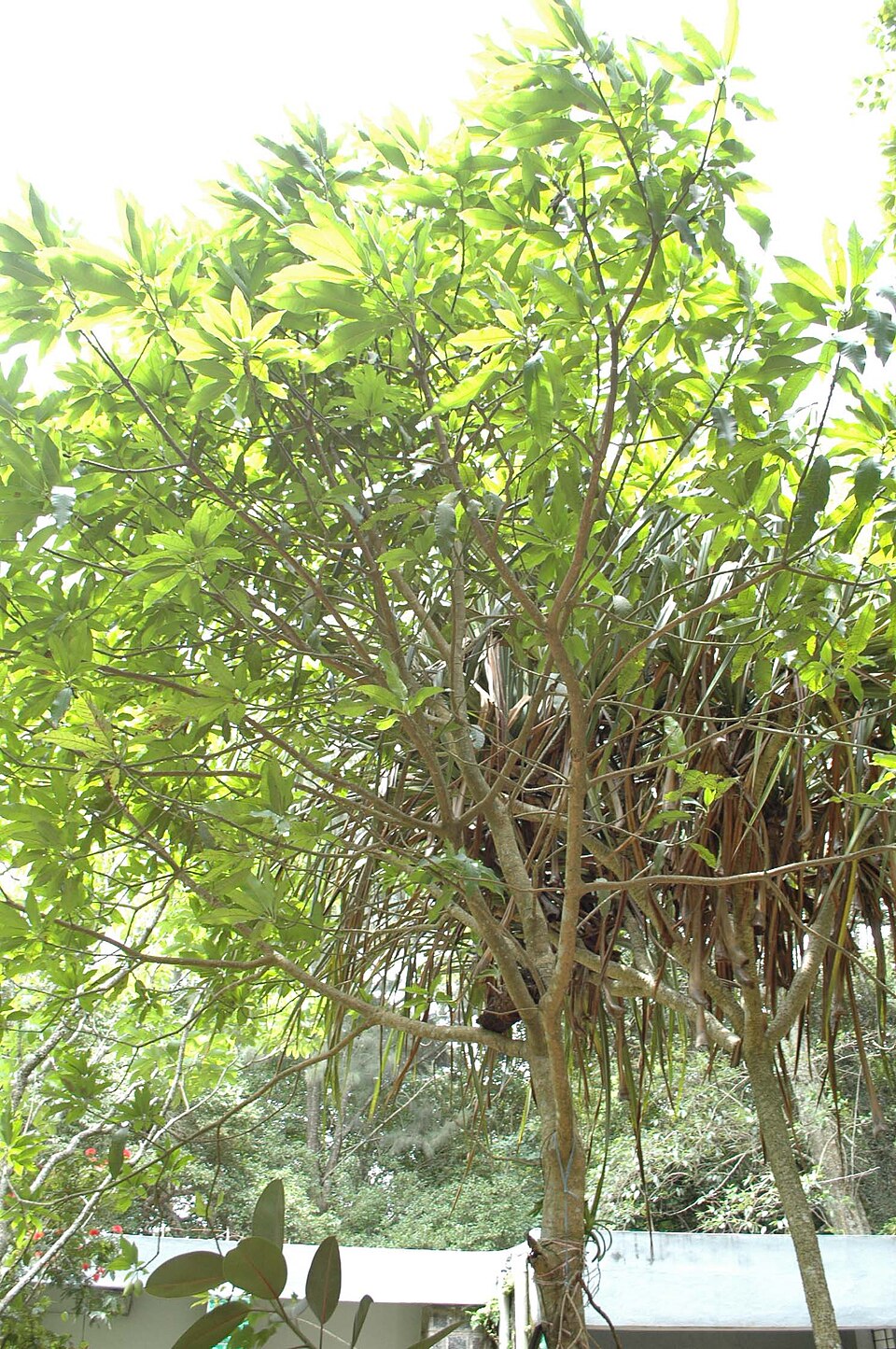
(c) bryanadkins, some rights reserved (CC BY-NC)
iNaturalist· cc-by-nc
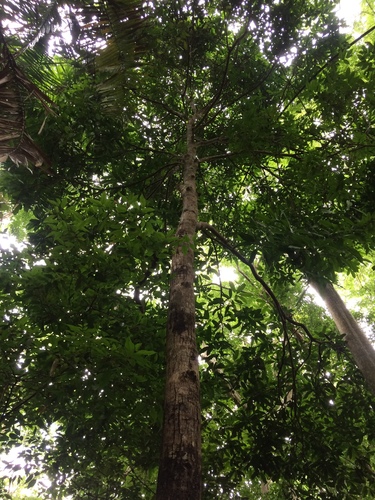
(c) bryanadkins, some rights reserved (CC BY-NC)
Summary
Source: WikipediaPistacia aethiopica is an African and Arabia coast peninsula species of plant in the family Anacardiaceae. It is a dioecious evergreen shrub or tree of the pistacio genus, growing up to 20 m (66 ft) tall, adapted to the dry environment. It is found in Ethiopia, Kenya, Somalia, Somaliland, Tanzania, Uganda, and Yemen.
Description
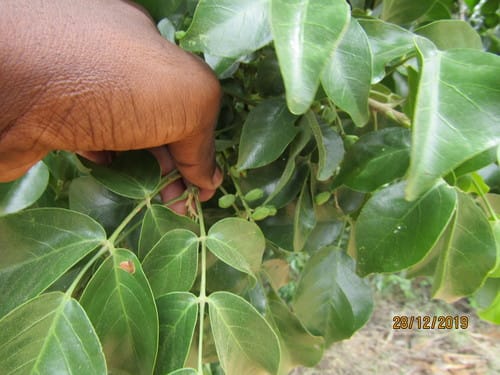
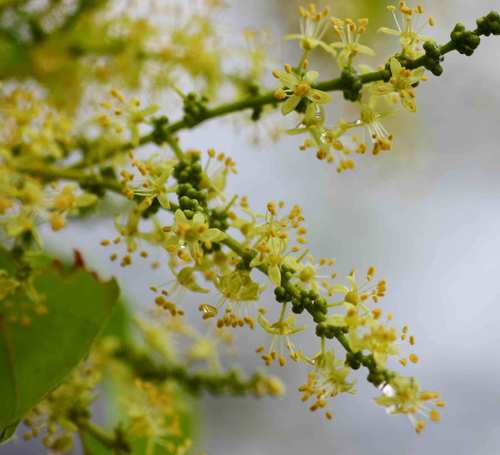
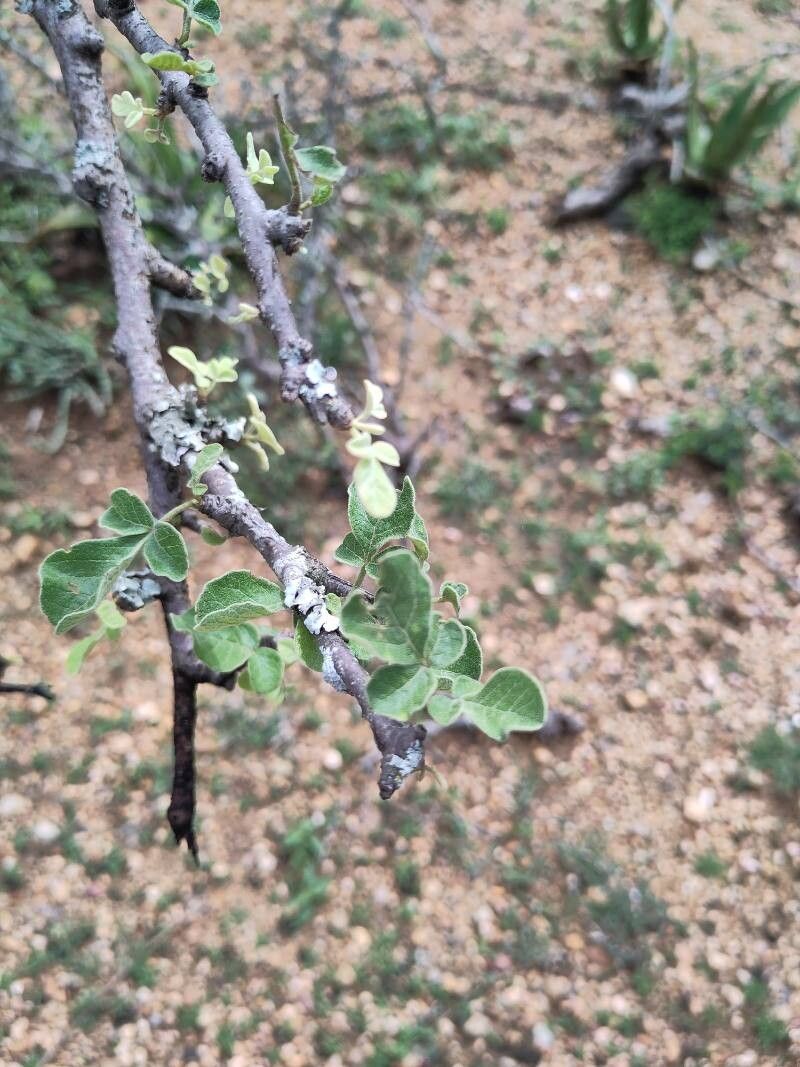
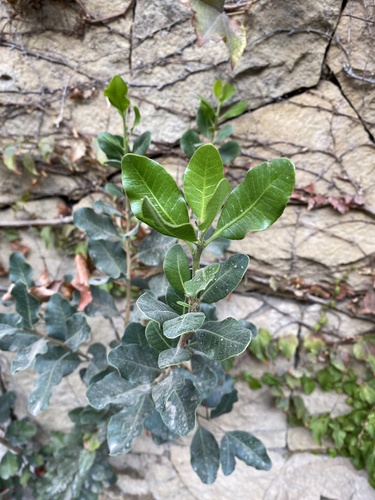
A shrub or small tree. It grows 15 m tall. The bark is dark brown. The leaves are compound with 2-5 pairs of leaflets. The leaves are alternate. The leaflets do not have stalks. The young leaves are red. The flowers are yellow or purple. The are in groups in the axils of leaves. These are 1-5 cm long. The fruit are green and turn red. They are 5 mm across.
Edible Uses
The bark is brewed as tea, and the seeds, nuts, and roots are eaten.
Traditional Uses
The gum is chewed. The bark is used for tea.
This uses section is brief — help expand it
Medicinal Uses
The gum is chewed as a traditional use.
Distribution
It is a tropical plant. It grows in dry mountain forest. In Tanzania it grows between 1,500-2,500 m above sea level.
Where It Grows
Africa, East Africa, Ethiopia, Kenya, Somalia, Tanzania, Uganda,
Cultivation
Plants can be grown by seeds.
Other Uses
The twigs are used as toothbrushes. A gum mastic of high quality is obtained from the tree. The wood is hard. It is used for building poles, tool handles and for making wooden spoons. The wood is used for fuel.
Production
The gum is collected during the dry season. The gum can be stored for several months.
Notes
There are 20 Pistacia species.
Synonyms
Also Known As
Ol daangudwa
References (8)
- Asfaw, Z. and Tadesse, M., 2001, Prospects for Sustainable Use and Development of Wild Food Plants in Ethiopia. Economic Botany, Vol. 55, No. 1, pp. 47-62
- Glover, et al, 1966b,
- Goode, P., 1989, Edible Plants of Uganda. FAO p 30
- Lovett, J. C. et al, Field Guide to the Moist Forest Trees of Tanzania. p 10
- Mutie, F. M., et al, 2023, Important Medicinal and Food Taxa (Orders and Families) in Kenya, Based on Three Quantitative Approaches. Plants 2023, 12, 1145
Show all 8 references Hide references
- Peters, C. R., O'Brien, E. M., and Drummond, R.B., 1992, Edible Wild plants of Sub-saharan Africa. Kew. p 50
- Ruffo, C. K., Birnie, A. & Tengnas, B., 2002, Edible Wild Plants of Tanzania. RELMA p 520
- World Checklist of Useful Plant Species 2020. Royal Botanic Gardens, Kew