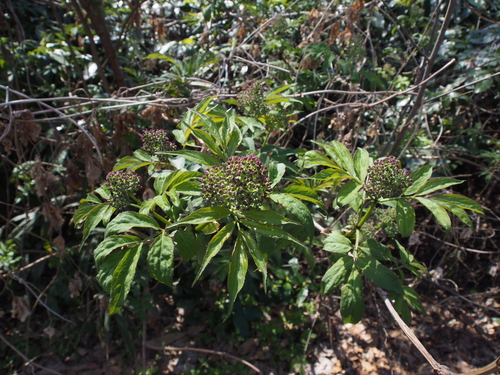
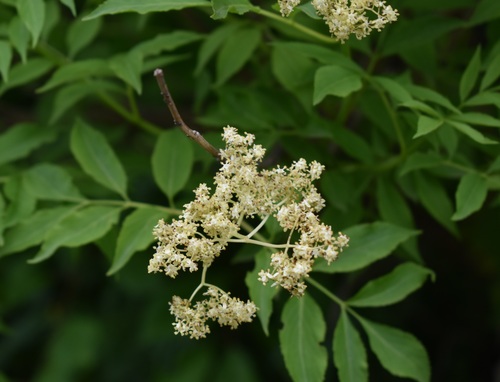
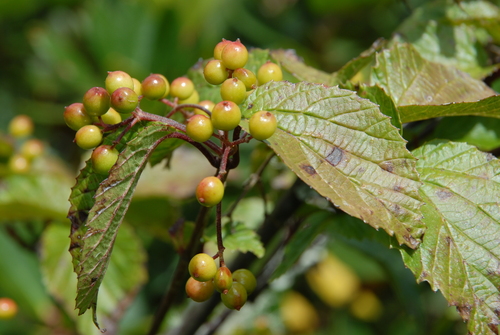
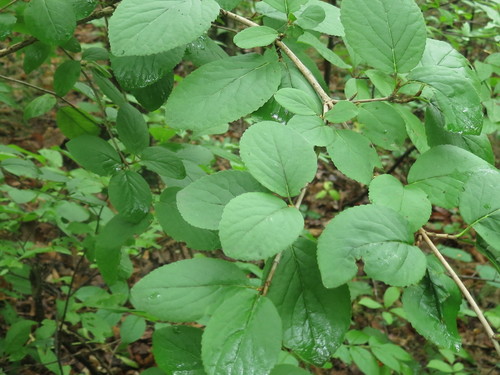
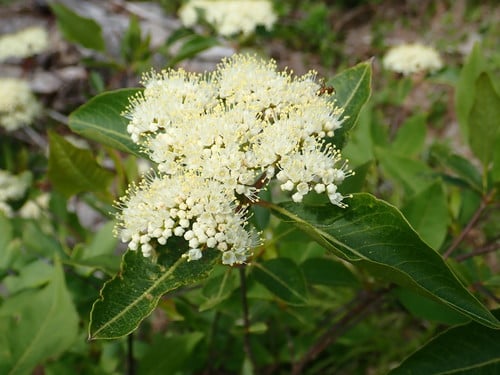
Viburnum nudum var. cassinoides
(L.) Torr. & Gray
Possum-haw
iNaturalist· cc-by-nc-sa
(c) Tom Potterfield, some rights reserved (CC BY-NC-SA)
iNaturalist· cc-by-nc
(c) Jake Smith, some rights reserved (CC BY-NC), uploaded by Jake Smith
iNaturalist· cc-by-nc-sa
(c) Kristi, some rights reserved (CC BY-NC-SA)
Summary
Source: WikipediaViburnum nudum is a deciduous shrub in the genus Viburnum within the muskroot family, Adoxaceae (It was formerly part of Caprifoliaceae, the honeysuckle family). One variety of the species is Viburnum nudum var. cassinoides; synonyms for this variety Viburnum nitidum Aiton, Viburnum cassinoides, Viburnum cassinoides var. harbisonii, Viburnum cassinoides var. nitidum, and Viburnum nitidum. Common names for the plant include withe-rod, witherod viburnum, possumhaw, and wild raisin.
Description
A shrub.
This description is brief — help expand it
Edible Uses
The Abenaki use the fruit and the grains of var. cassinoides for food. The Algonquin people eat the berries of var. cassinoides.
Medicinal Uses
The Cherokee have several medicinal uses for Viburnum nudum var. cassinoides. They take an infusion of it to prevent recurrent spasms, use the root bark as a diaphoretic and a tonic, and take a compound infusion of it for fever, smallpox and ague. They also use an infusion of the bark as a wash for a sore tongue.
Distribution
It is a temperate plant.
Where It Grows
North America, USA,
Notes
Also put in the family Caprifoliaceae. Not in The Plant List.
References (2)
- Kermath, B. M., et al, 2014, Food Plants in the Americas: A survey of the domesticated, cultivated and wild plants used for Human food in North, Central and South America and the Caribbean. On line draft. p 907
- Moerman, D. F., 2010, Native American Ethnobotany. Timber Press. p 595