Araucaria angustifolia
(Bertol.) Kuntze
Brazilian-pine, Candelabra-tree
iNaturalist· cc-by-nc-sa
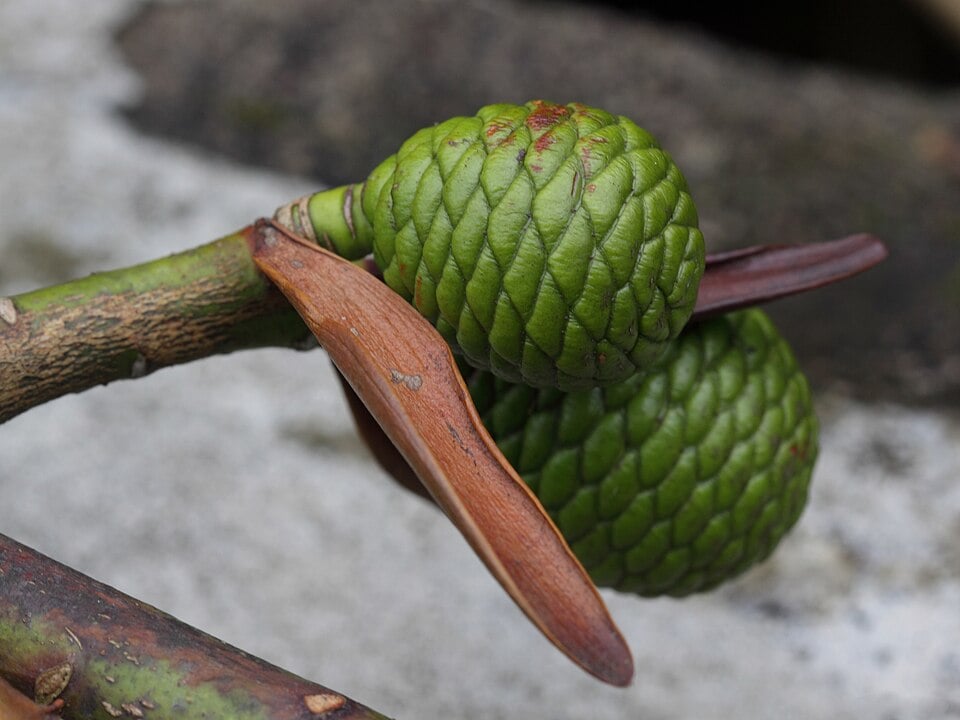
(c) George Shepherd, some rights reserved (CC BY-NC-SA)
iNaturalist· cc-by-nc
(c) Diego Monsores, some rights reserved (CC BY-NC), uploaded by Diego Monsores
iNaturalist· cc-by-nc
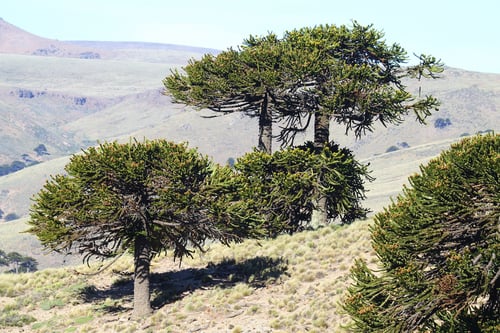
(c) Mauro Berazategui, some rights reserved (CC BY-NC)
Summary
Source: WikipediaAraucaria angustifolia, the Paraná pine, Brazilian pine or candelabra tree (pinheiro-do-paraná, araucária or pinheiro brasileiro), is a critically endangered species in the conifer genus Araucaria. Although the common names in various languages refer to the species as a "pine", it does not belong in the genus Pinus.
Description
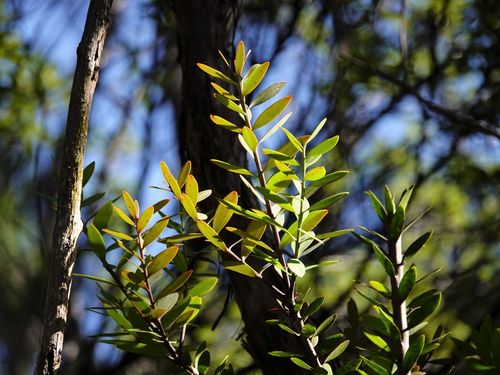
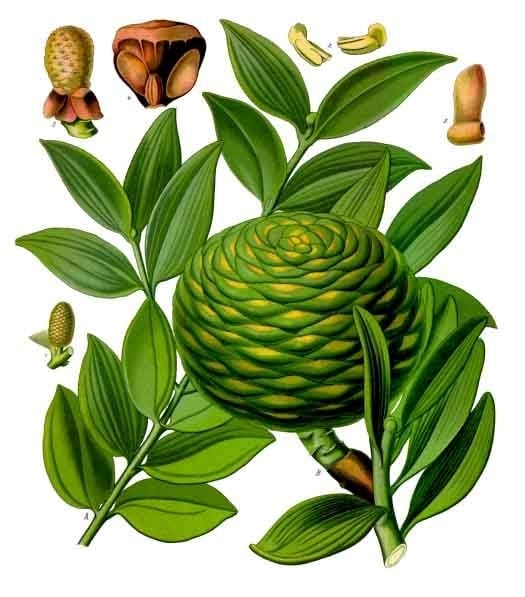
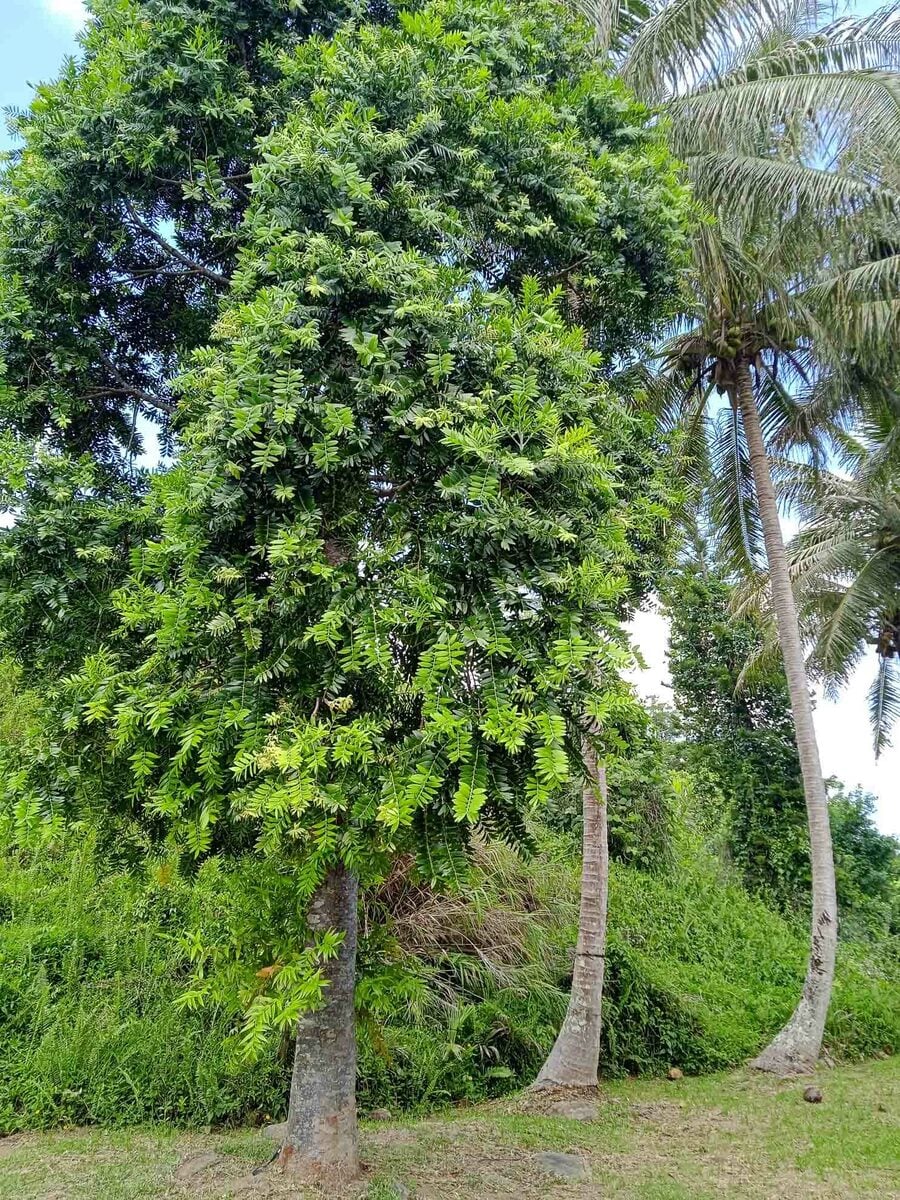
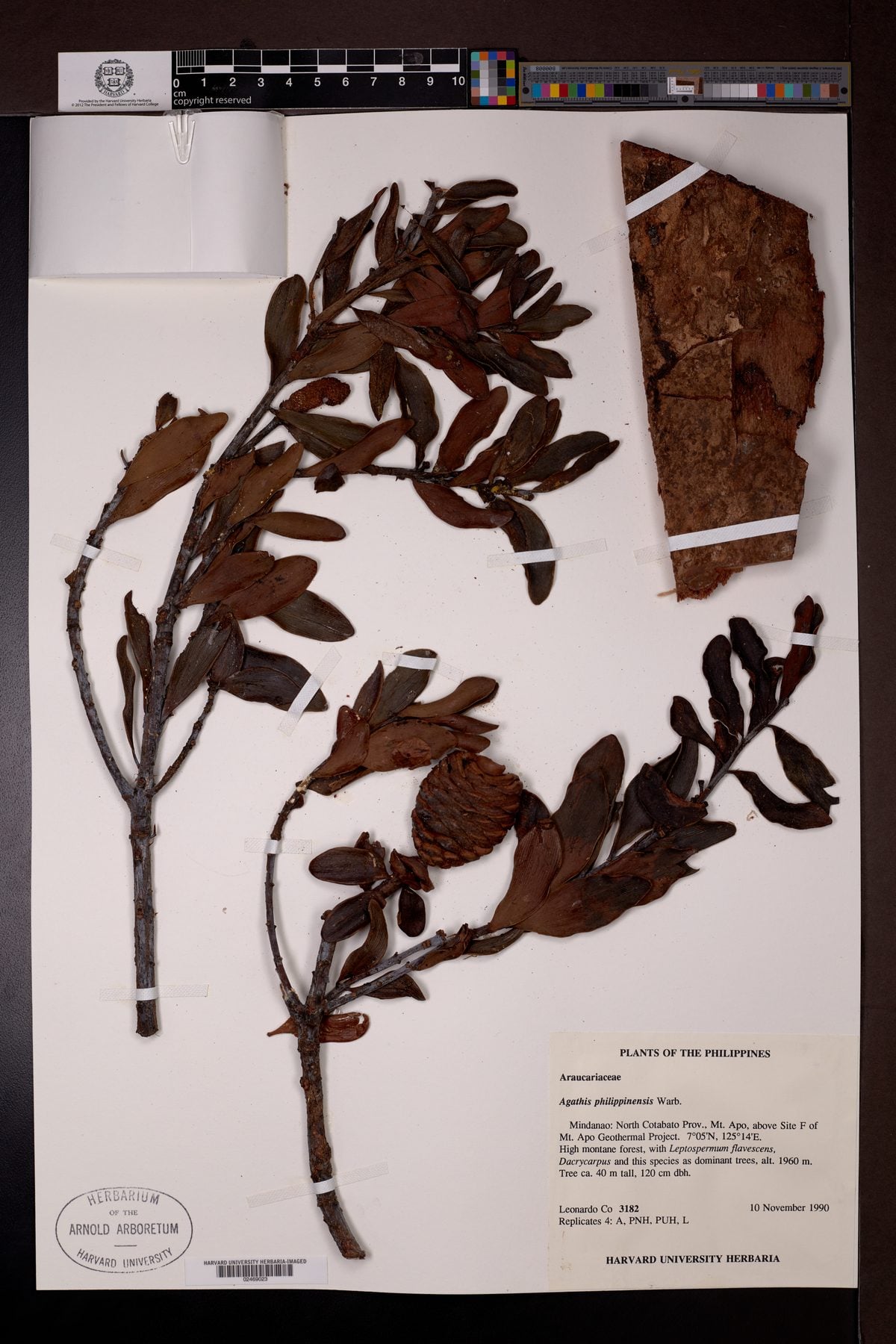
A large evergreen tree. It can be 30 m high. It has a bare trunk and wide flat crown. The leaves are long, flat and overlapping. They form two rows on the small branches. The leaves are 5 cm long and have a sharp point. The seed cones are 15 cm long. The tips of the scales curve back. The seeds are large. They can be 5 cm long.
Edible Uses
Edible Parts: Sap Seed Edible Uses: Seed similar to large pine nuts. A mealy texture and a somewhat sweet flavour, reminiscent of sweet potatoes. The seeds are extensively harvested in southern Brazil (Paraná, Santa Catarina and the Rio Grande do Sul states), and are important for the region's small population of natives (the Kaingáng and other Southern Jê). The seeds, called pinhão are a popular winter snack. An edible gum is obtained from the tree.
Traditional Uses
The seeds are roasted and eaten. The large kernels need to be boiled for some hours then the outer shells peeled off. The gum is also eaten.
This uses section is brief — help expand it
Medicinal Uses
The species is widely used in folk medicine.
Distribution
A tropical plant. In Brazil it grows up to 500-900 m altitude. In Indonesia it grows between 500-1,800 m above sea level. It suits hardiness zones 9-12. Arboretum Tasmania. National Arboretum Canberra.
Where It Grows
Africa, Argentina, Asia, Australia, Bolivia, Brazil*, Caribbean, Colombia, Ecuador, India, Indonesia, Madagascar, Malawi, Paraguay, Peru, SE Asia, South America, Tasmania, Uruguay, West Indies, Zimbabwe,
Cultivation
The seeds are harvested from the ground after they fall. They are best sown fresh. Seeds sprout in a few days.
Propagation
Seed - best sown as soon as it is ripe in individual containers. The seed usually germinates in 1 - 2 months at 15c. The plants have a rather sparse root system and are best placed in their final positions as soon as possible.
Other Uses
A resin is obtained from the bark. The heartwood is light yellow to brown, often with purplish-pink veins; it is not clearly demarcated from the yellowish sapwood. The texture is fine and uniform, without prominent alternating bands of early and latewood; the grain is straight; there is no distinctive odour. The wood is light in weight, soft, not very durable, being susceptible to fungi, dry wood borers and termites. It can be slow to season, but with only a slight risk of checking or distortion; once dry it is moderately stable in service. The wood is easy to work with normal tools, though internal stresses in the wood may cause distortion in machining; nailing and screwing are good; glueing is correct. It is used for general building purposes, for framing lumber, interior trim, sash and door stock, flooring, furniture and veneer, as slats for Venetian blinds and also as backing for electrotypes. It is also used for plywood, pulp and paper; and locally to make musical instruments, boxes and matches. Useful as a fuel wood. Grown as an ornamental plant in parks of towns and cities of Chile, from Santiago to Valdivia. Special Uses Carbon Farming
Production
It grows rapidly.
Other Information
The seeds are sold in markets. They are a popular snack. In Brazil 3,400 tonnes of seeds are collected each year.
Notes
There are 19 Araucaria species. There are 13 species in New Caledonia.
Nutrition
| Part | Moisture | kJ | kcal | Protein | Vit A | Vit C | Iron | Zinc |
|---|---|---|---|---|---|---|---|---|
| Nuts | 48.9 | 786 | 186 | 3.2 | — | 22.5 | 0.9 | 0.7 |
| Gum | — | — | — | — | — | — | — | — |
Synonyms
Also Known As
Cori, Curi, Curiuva, Parana-pine, Pinhao, Pinheiro-do-parano, Pinheiro, Pinho, Pinho-brasileiro, Pinheiro-brasileiro, Pinheiro-sao-jose, Pinheiro-macaco, Pinheiro-caiova, Pinheiro-das-missoes, Pino araucaria, Pino parana, Pohon arukaria brasil
References (34)
- Bircher, A. G. & Bircher, W. H., 2000, Encyclopedia of Fruit Trees and Edible Flowering Plants in Egypt and the Subtropics. AUC Press. p 37 (As Araucaria brasiliensis)
- Brack, P., et al, 2020, Frutas nativas do Rio Grande do Sul, Brasil: riqueza e potencial alimentício. Native fruits of Rio Grande do Sul, Brazil: richness and potential as food. Rodriguésia 71: e03102018.
- Brazil: Biodiversity for Food and Nutrition. http://www.b4fn.org/countries/brazil/
- Burkill, I.H., 1966, A Dictionary of the Economic Products of the Malay Peninsula. Ministry of Agriculture and Cooperatives, Kuala Lumpur, Malaysia. Vol 1 (A-H) p 214
- Ciesla, W.M., 1998, Non-wood forest products from conifers. Non-wood forest products 12, FAO, Rome, p 81
Show all 34 references Hide references
- Coradin, L. et al (Eds), 2011, Especies Nativas da Flora Brasileira de Valor Economico Atual ou Potencial. Brasilia MMA. p 134
- Cundall, P., (ed.), 2004, Gardening Australia: flora: the gardener's bible. ABC Books. p 171
- Etherington, K., & Imwold, D., (Eds), 2001, Botanica's Trees & Shrubs. The illustrated A-Z of over 8500 trees and shrubs. Random House, Australia. p 98
- Facciola, S., 1998, Cornucopia 2: a Source Book of Edible Plants. Kampong Publications, p 26
- Fagg, C. W. et al, 2015, Useful Brazilian plants listed in the manuscripts and publications of the Scottish medic and naturalist George Gardner (1812–1849). Journal of Ethnopharmacology 161 (2015) 18–29
- Flowerdew, B., 2000, Complete Fruit Book. Kyle Cathie Ltd., London. p 187
- Glowinski, L., 1999, The Complete Book of Fruit Growing in Australia. Lothian. p 132
- Grandtner, M. M. & Chevrette, J., 2013, Dictionary of Trees, Volume 2: South America: Nomenclature, Taxonomy and Ecology. Academic Press p 41
- Hedrick, U.P., 1919, (Ed.), Sturtevant's edible plants of the world. p 66 (As Araucaria brasiliana)
- Hunter, D., et al, 2019, The potential of neglected and underutilized species for improving diets and nutrition. Planta (2019) 250:709-729
- Kinupp, V. F., 2007, Plantas alimenticias nao-convencionais da regiao metropolitana de Porto Alegre, RS, Brazil p 62
- Kujawska, M. & Luczaj, L., 2015, Wild Edible Plants Used by the Polish Community in Misiones, Argentina. Human Ecology 43:855-869
- Lorenzi, H., 2002, Brazilian Trees. A Guide to the Identification and Cultivation of Brazilian Native Trees. Vol. 01 Nova Odessa, SP, Instituto Plantarum p 51
- Lyle, S., 2006, Discovering fruit and nuts. Land Links. p 73
- Mabberley, D.J. 1990. The plant-book: a portable dictionary of the higher plants. Cambridge University Press. NY.
- Marinelli, J. (Ed), 2004, Plant. DK. p 134
- Martin, F. W., et al, 1987, Perennial Edible Fruits of the Tropics. USDA Handbook 642 p 83 (As Araucaria brasiliensis)
- Mello, A. J. M., 2015, Cultural landscapes of the Araucaria Forests in the northern plateau of Santa Catarina, Brazil. Journal of Ethnobiology and Ethnomedicine 11:51
- Oliviera V. B., et al, 2012, Native foods from Brazilian biodiversity as a source of bioactive compounds. Food Research International 48 (2012) 170-179
- Phillips, R. & Rix, M., 2002, The Botanical Garden Vol. 1. Trees and Shrubs. MacMillan. p 19
- Revis. gen. pl. 3(3):375. 1898
- Roa, J. A. G. & Boada, D. S. G., 2018, Fundación para el Fortalecimiento de la Fruticultura y Plantas Alimenticias no Convencionales en Colombia.
- Ryan, S., 2008, Dicksonia. Rare Plants Manual. Hyland House. p 64
- Sukarya, D. G., (Ed.) 2013, 3,500 Plant Species of the Botanic Gardens of Indonesia. LIPI p 133
- Ulian, T., et al, 2020, Unlocking plant resources to support food security and promote sustainable agriculture. Plants, People, Planet. 2020;2:421–445.
- Wickens, G.E., 1995, Edible Nuts. FAO Non-wood forest products. FAO, Rome. p173
- Wiersema, J. H. & Leon, B., 2013, World Economic Plants. A Standard Reference CRC Press. 2nd Ed. p 63
- World Checklist of Useful Plant Species 2020. Royal Botanic Gardens, Kew
- www.colecionandofrutas.org