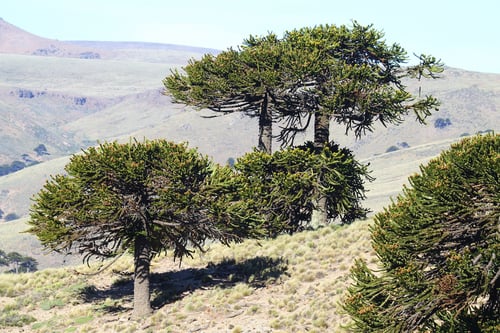
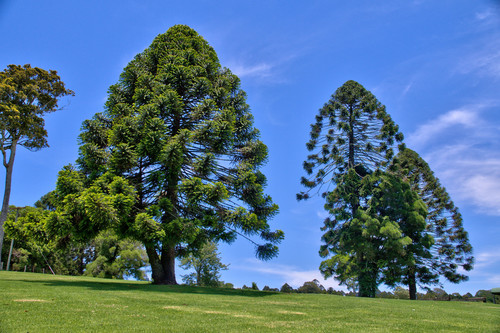
Agathis australis
(D. Don) Steud.
New Zealand kauri
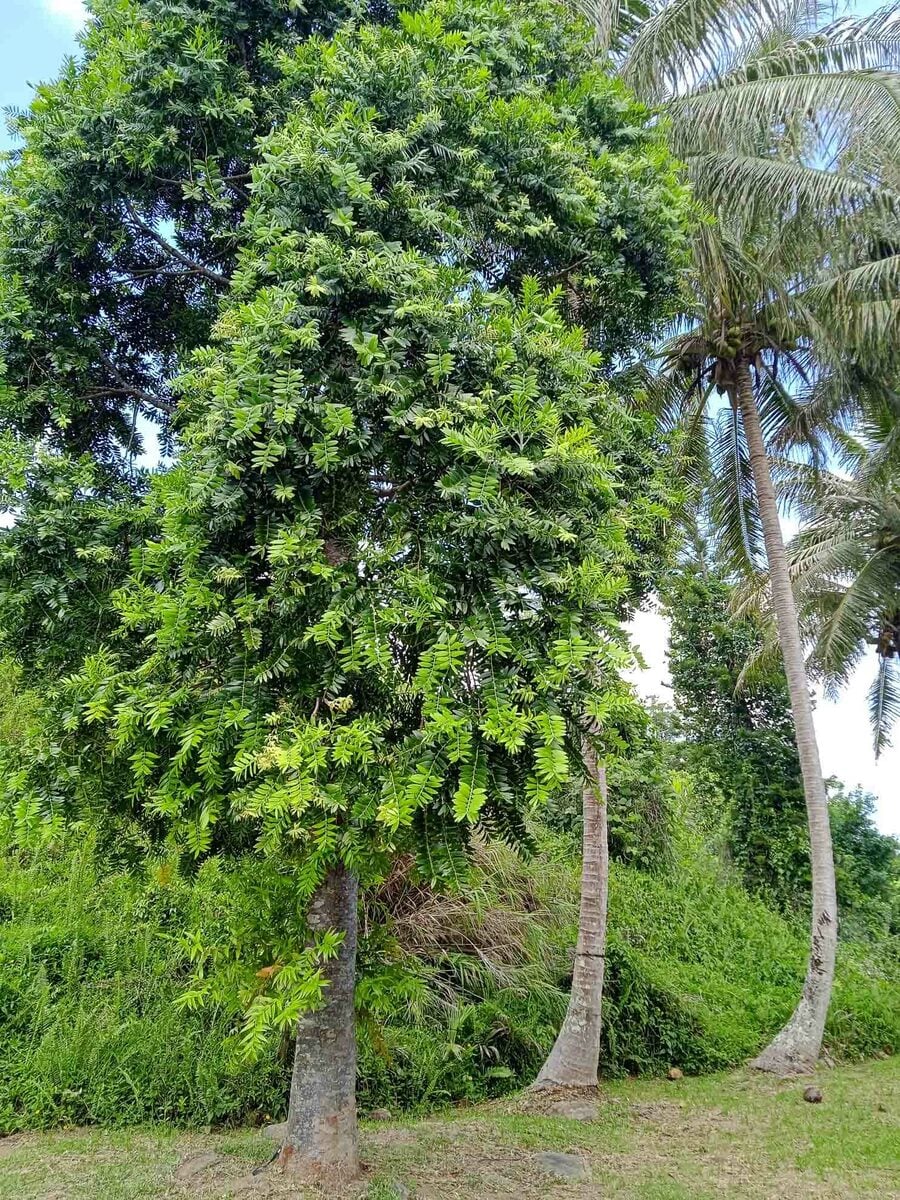
iNaturalist· cc-by
(c) Jacqui Geux, some rights reserved (CC BY), uploaded by Jacqui Geux
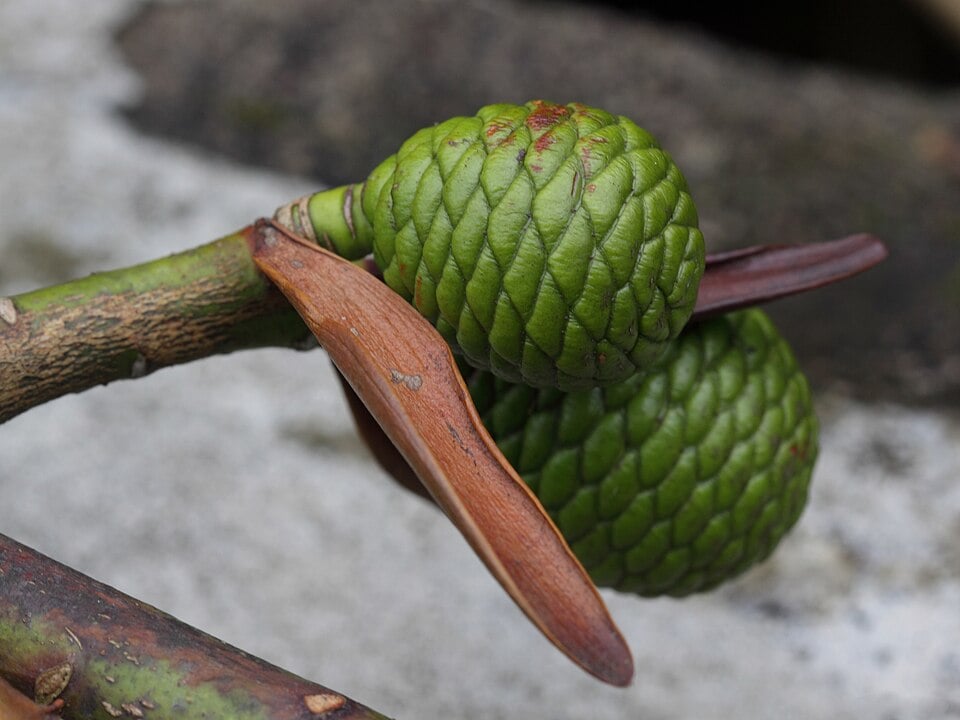
iNaturalist· cc-by-nc
(c) Alex Fergus, some rights reserved (CC BY-NC), uploaded by Alex Fergus
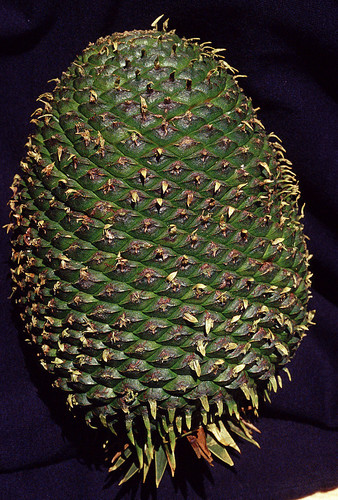
iNaturalist· cc-by
(c) Jacqui Geux, some rights reserved (CC BY), uploaded by Jacqui Geux
Summary
Source: WikipediaAgathis australis, commonly known as kauri, is a species of coniferous tree in the family Araucariaceae, most commonly found north of 38°S in the northern regions of New Zealand's North Island. It is the largest (by volume) but not tallest species of tree in New Zealand, standing up to 50 metres (160 ft) tall in the emergent layer above the forest's main canopy. The tree has smooth bark and small narrow leaves. Other common names to distinguish A. australis from other members of Agathis are southern kauri and New Zealand kauri. With its podsolization capability and regeneration pattern it can compete with faster growing angiosperms. Because it is such a conspicuous species, forest containing kauri is generally known as kauri forest, although kauri need not be the most abundant tree. In the warmer northern climate, kauri forests have a higher species richness than those found further south. Kauri even act as a foundation species that modify the soil under their canopy to create unique plant communities.
Description
An evergreen tree. It grows 25 m high and spreads 5 m wide. The stem is erect and branching. The crown in cone shaped. The leaves are bronze-green. They are narrow and curved. They are 5 cm long. The flowers are very small. The cones are in the axils of leaves. The male cones are 3 cm long and the female cones 7.5 cm long.
Edible Uses
Kauri wood was traditionally used to create large-scale waka by Māori, which could seat hundreds of people due to the size of the logs. Although today its use is far more restricted, in the past the size and strength of kauri timber made it a popular wood for construction and ship building, particularly for masts of sailing ships because of its parallel grain and the absence of branches for much of its height. Kauri crown and stump wood was much appreciated for its beauty, and was sought after for ornamental wood panelling as well as high-end furniture. Although not as highly prized, the light colour of kauri trunk wood made it also well-suited for more utilitarian furniture construction, as well as for use in the fabrication of cisterns, barrels, bridge construction material, fences, moulds for metal forges, large rollers for the textile industry, railway sleepers and cross bracing for mines and tunnels. Kauri timber was so prevalent in early European settlements that Ferdinand von Hochstetter, when visiting Auckland in 1859, estimated that nearly every building, except those made of stone, had been constructed using kauri timber. In the late 19th and early 20th centuries Kauri gum (semi-fossilised kauri resin) was a valuable commodity, particularly for varnish, spurring the development of a gum-digger industry. Today, the kauri is being considered as a long-term carbon sink. This is because estimates of the total carbon content in living above ground biomass and dead biomass of mature kauri forest are the second highest of any forest type recorded anywhere in the world. The estimated total carbon capture is up to nearly 1000 tonnes per hectare. In this capacity, kauri are bettered only by mature Eucalyptus regnans forest, and are far higher than any tropical or boreal forest type yet recorded. It is also conjectured that the process of carbon capture does not reach equilibrium, which along with no need of direct maintenance, makes kauri forests a potentially attractive alternative to short rotation forestry options such as Pinus radiata.
Traditional Uses
The resin is chewed.
This uses section is brief — help expand it
Distribution
It is best in light, well-drained deep soil. It is resistant to frost but sensitive to drought. Arboretum Tasmania.
Where It Grows
Africa, Asia, Australia, East Africa, Indonesia, New Zealand*, North America, SE Asia, Southern Africa, Tasmania, USA, Zimbabwe,
Cultivation
Plants can be grown from seeds.
Production
It is very slow growing.
Notes
There are about 20 Agathis species. There are 5 species in New Caledonia.
References (6)
- Bircher, A. G. & Bircher, W. H., 2000, Encyclopedia of Fruit Trees and Edible Flowering Plants in Egypt and the Subtropics. AUC Press. p 12
- Bodkin, F., 1991, Encyclopedia Botanica. Cornstalk publishing, p 55
- Crowe, A., 1997, A Field Guide to the Native Edible Plants of New Zealand. Penguin. p 27
- Nomencl. bot. ed. 2, 1:34. 1840
- Ryan, S., 2008, Dicksonia. Rare Plants Manual. Hyland House. p 64
Show all 6 references Hide references
- Sukarya, D. G., (Ed.) 2013, 3,500 Plant Species of the Botanic Gardens of Indonesia. LIPI p 108