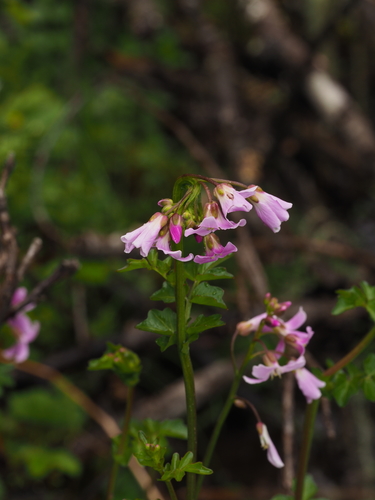
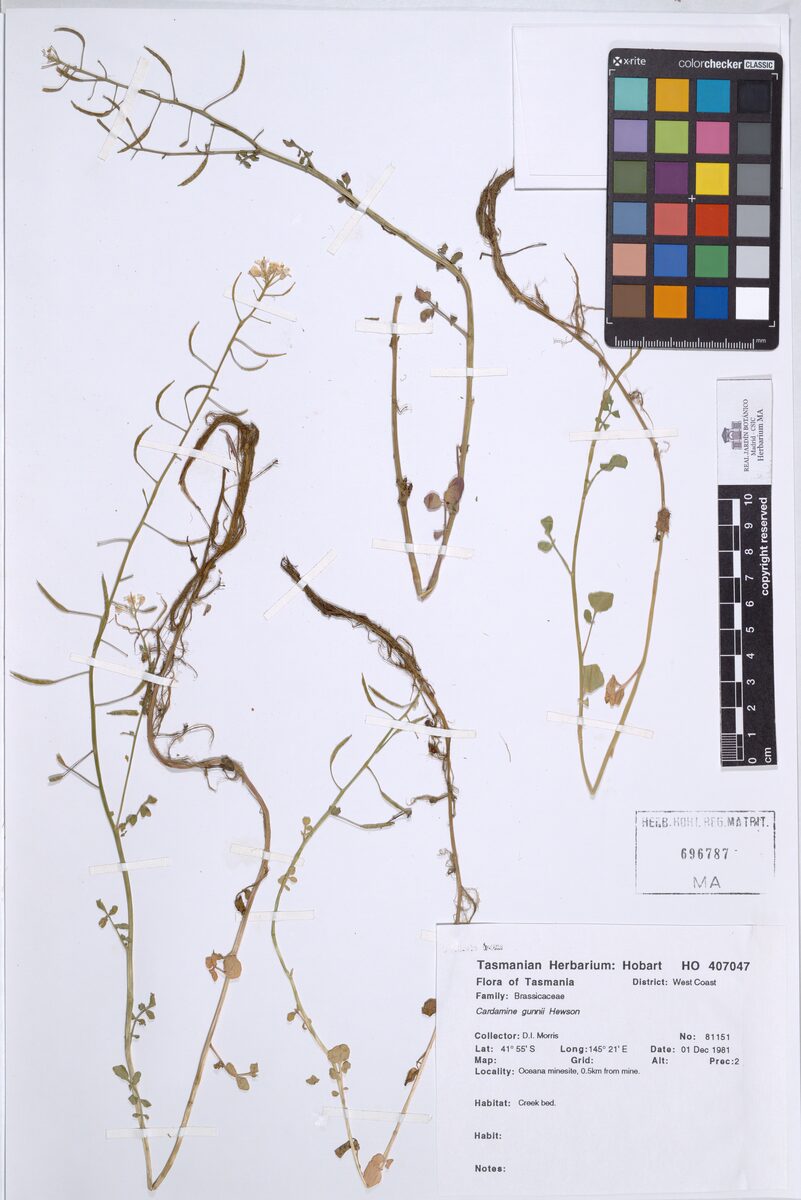
Arabis sagittata
(Bertol.) DC.
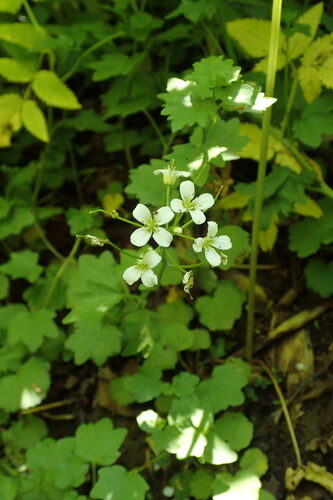
iNaturalist· cc-by-nc
(c) Ринат Султанов, some rights reserved (CC BY-NC), uploaded by Ринат Султанов
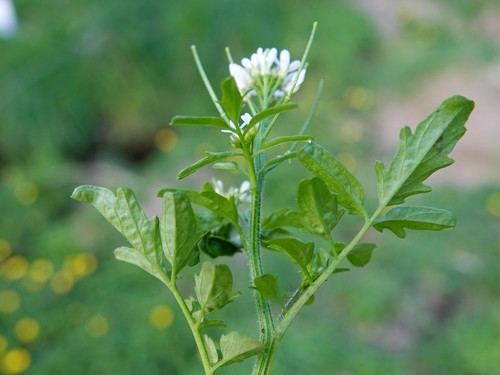
iNaturalist· cc-by-nc
(c) Богданович Светлана, some rights reserved (CC BY-NC), uploaded by Богданович Светлана
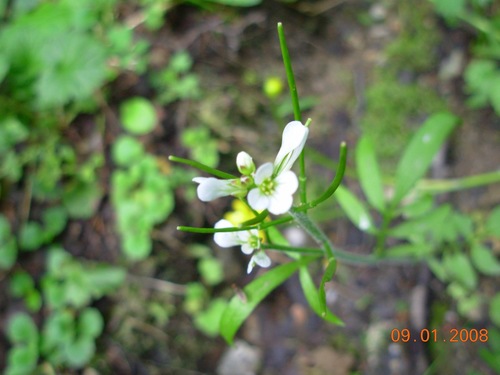
iNaturalist· cc-by-nc
(c) Сергей, some rights reserved (CC BY-NC), uploaded by Сергей
Summary
A biennial or perennial herb reaching 0.6 m (2 ft) tall. Frost-hardy with hermaphroditic flowers pollinated by bees and butterflies. Grows in light sandy, medium loamy, and heavy clay soils with good drainage. Tolerates mildly acidic, neutral, and basic soils. Adapts to semi-shade or full sun and handles both dry and moist conditions.
Description
A cabbage family herb. It can grow for 2 or more years. It grows 60 cm tall. The leaves are in a ring near the base and the leaves on the stem have very short stems.
Edible Uses
Edible Parts: Leaves Edible Uses: Young leaves - cooked.
Traditional Uses
The leaves are cooked and eaten.
This uses section is brief — help expand it
Medicinal Uses
None known
Distribution
It is a temperate plant. It grows on dry limestone slopes.
Where It Grows
Albania, Asia, Europe, Mongolia, Slovenia,
Propagation
Seed - it is best to surface sow the seed as soon as it is ripe in a light position in a cold frame. Seed can also be sown in spring. It usually germinates in 2 - 3 weeks at 21°c. When large enough to handle, prick the seedlings out into individual pots and plant them out in the summer. Division after flowering. Very easy, the divisions can be planted out straight into their permanent positions if required. Cuttings in a shady border in summer.
Other Uses
None known Special Uses
Notes
There are about 120 Arabis species. They are temperate plants.
Synonyms
Also Known As
Kopjastolistni repnjak
References (2)
- Plants for a Future database, The Field, Penpol, Lostwithiel, Cornwall, PL22 0NG, UK. http://www.scs.leeds.ac.uk/pfaf/
- Urgamal, M., Oyuntsetseg, B., Nyambayar, D. & Dulamsuren, Ch. 2014. Conspectus of the vascular plants of Mongolia. (Editors: Sanchir, Ch. & Jamsran, Ts.). Ulaanbaatar, Mongolia. “Admon“ Press. 334pp. (p. 79-90).