Rubus alpestris
Blume
iNaturalist· cc-by-nc
(c) Wild Sumatra, some rights reserved (CC BY-NC), uploaded by Wild Sumatra
Description
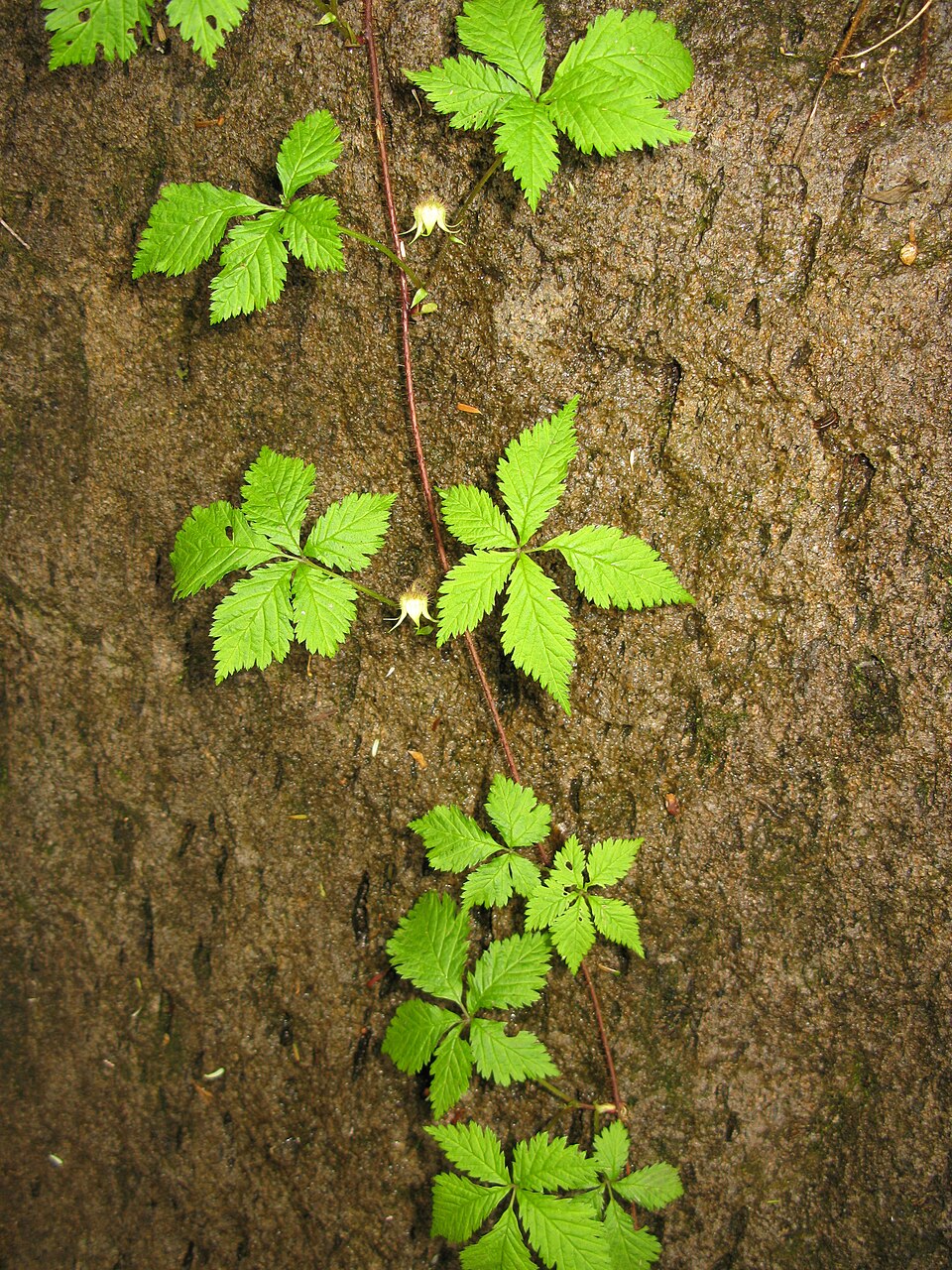
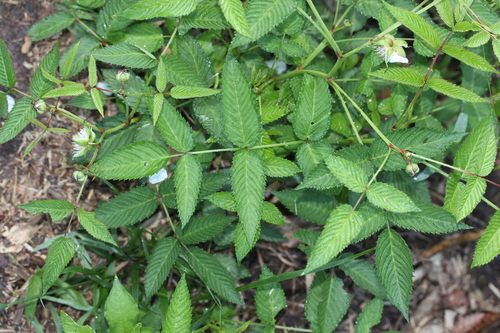
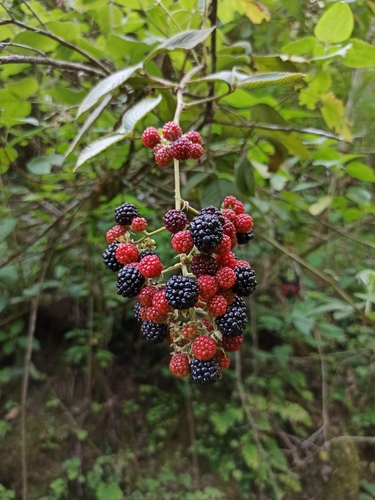
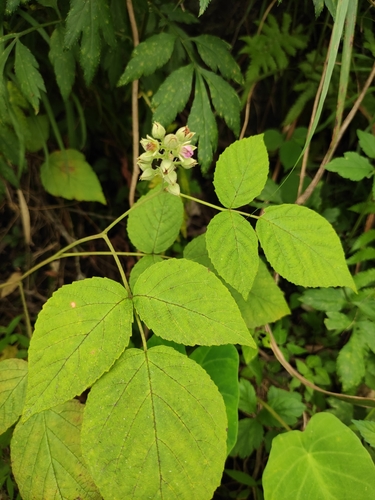
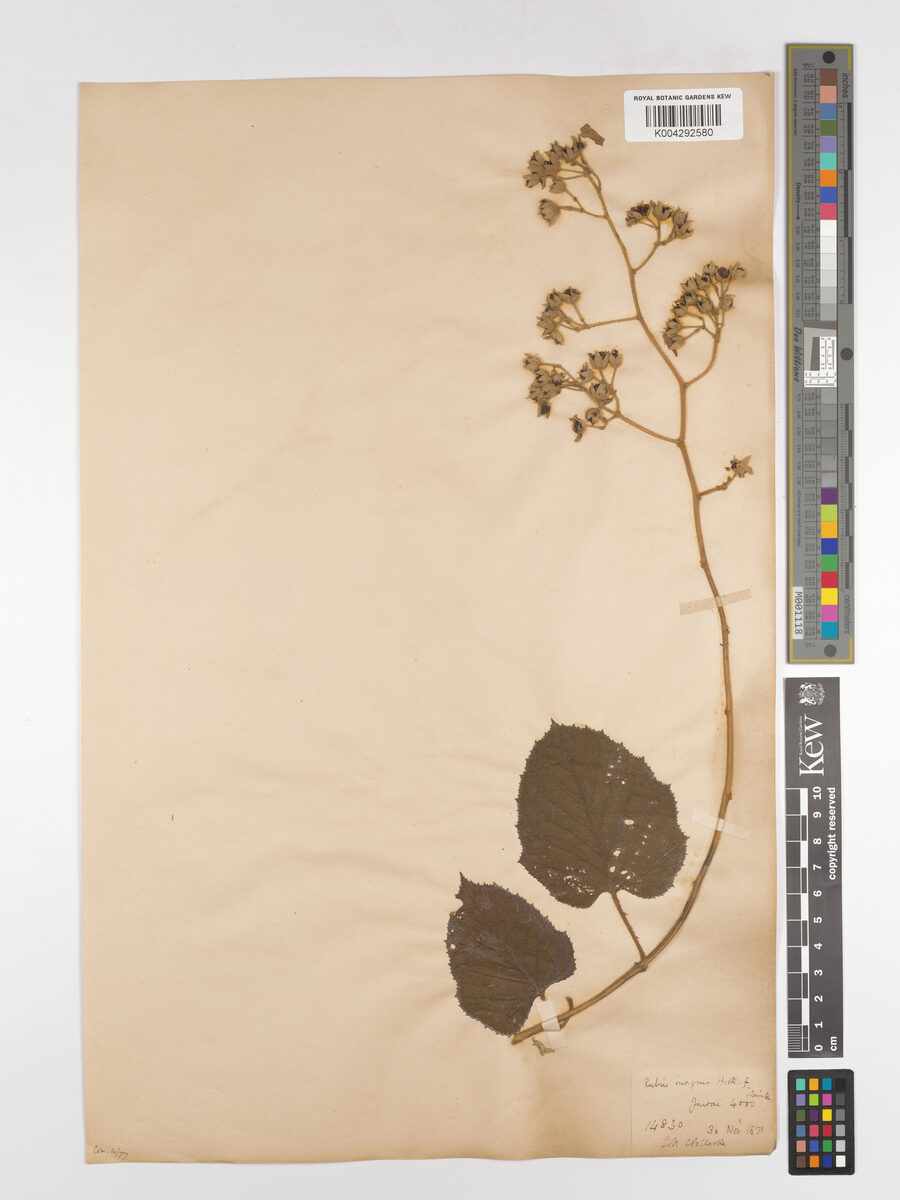
A climbing or erect shrub. It grows up to 4 m tall. The stems ahve short glandular hairs. It only has a few prickles. They are up to 7 mm long. They can be curved or straight. The leaves are divided like fingers on a hand. There are 5 leaflets. They are oblong and the end ones are 6-14 cm by 2-4 cm while the side leaflets are smaller. The edges of the leaves have saw like teeth. The lower surface of the leaves is hairy. The flower cluster is in the axils of the upper 1-3 leaves. There are usually 1-6 flowers. The fruit or berry is 1 cm across. They are red.
Edible Uses
The red berries are eaten fresh.
Traditional Uses
The fruit are eaten.
This uses section is brief — help expand it
Distribution
A tropical plant. They grow in light forest from 1650 - 3,000 m altitude. In Vietnam it grows at 2,000 m above sea level.
Where It Grows
Asia, India, Indochina, Indonesia, Malaysia, Myanmar, Sarawak, SE Asia, Thailand, Vietnam,
Cultivation
Species in this genus are generally easily grown in a good well-drained loamy soil in sun or semi-shade.
Propagation
Seed - germinates best if given a period of cold stratification prior to sowing in containers. Stored seed requires one month stratification at about 3°c and is best sown as early as possible in the growing season. Prick out the seedlings when they are large enough to handle and grow on until large enough to plant out. Cuttings of half-ripe wood in a frame. Tip layering towards the end of the growing season Division just before the plant comes into new growth or as it enters dormancy.
Notes
There are about 250 Rubus species.
Dangerous Lookalikes
This plant can be confused with the following toxic species. Always verify identification carefully before consuming any wild plant.
Red Baneberry
Actaea rubra
Walter Siegmund (talk)
Rubus alpestris
Rubus alpestris
(c) Wild Sumatra, some rights reserved (CC BY-NC), uploaded by Wild Sumatra
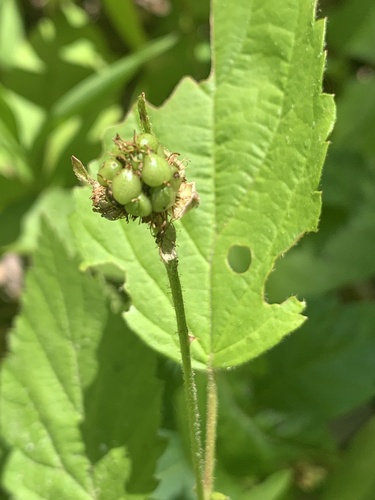
Red Baneberry: Short herbaceous plant (no thorns), berries on thick red stems, each berry has a single seed, compound sharply-toothed leaves.
Rubus alpestris: Thorny woody canes (brambles), aggregate berry made of many drupelets, berries pull easily from receptacle.
Also Known As
Dum nui-cao, Emperingat
References (5)
- Altschul, S.V.R., 1973, Drugs and Foods from Little-known Plants. Notes in Harvard University Herbaria. Harvard Univ. Press. Massachusetts. no. 1425
- Ambasta S.P. (Ed.), 2000, The Useful Plants of India. CSIR India. p 532
- Bijdr. 2(17):1108. 1826
- Chai, P. P. K. (Ed), et al, 2000, A checklist of Flora, Fauna, Food and Medicinal Plants. Lanjak Entimau Wildlife Sanctuary, Sarawak. Forestry Malaysia & ITTO. p 170
- Kalkman, 1993, Rosaceae. Flora Malesiana ser 1, 11(2) p 258