Rhododendron kaempferi
Planch.
Kaempfer Azalea
iNaturalist· cc-by-sa
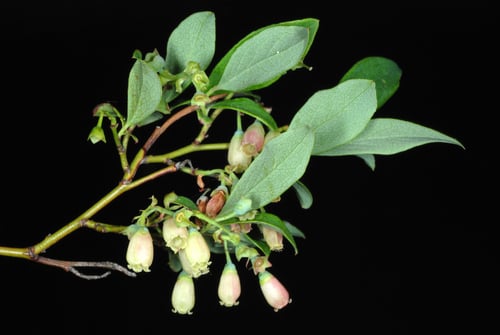
(c) Qwert1234, some rights reserved (CC BY-SA)
iNaturalist· cc-by-nc
(c) 空猫 T. N, some rights reserved (CC BY-NC)
Summary
Source: WikipediaRhododendron kaempferi, the torch azalea or Kaempferi azalea, is a species of flowering plant in the family Ericaceae. It is native to Japan. A semi-evergreen shrub, its 'Orange King' cultivar has gained the Royal Horticultural Society's Award of Garden Merit. There are a number of other cultivars available with a variety of flower colors.
Description
A small shrub. It loses its leaves during the year in cool climates. It grows 1.2 m high and spreads 1.2 m wide. It has many branches. The young shoots have reddish brown bristles. The flowers are funnel shaped and brown or red. The flowers occur as 2-4 in a group.
Edible Uses
The flowers can be eaten raw or cooked, and the leaves can be eaten boiled. Caution is advised regarding toxicity for both parts.
Medicinal Uses
None known
Known Hazards
Although no specific mention of toxicity has been seen for this species, it belongs to a genus where many members have poisonous leaves. The pollen of many if not all species of rhododendrons is also probably toxic, being said to cause intoxication when eaten in large quantities.
Distribution
It is a temperate plant. It is native to Japan. It suits hardiness zones 5-8.
Where It Grows
Asia, Australia, Japan,
Cultivation
Succeeds in a most humus-rich lime-free soils except those of a dry arid nature or those that are heavy or clayey. Prefers a peaty or well-drained sandy loam. Succeeds in sun or shade, the warmer the climate the more shade a plant requires. A pH between 4.5 and 5.5 is ideal. Plants are hardy to about -20°c, but are deciduous in cold climates. Succeeds in a woodland though, because of its surface-rooting habit, it does not compete well with surface-rooting trees. Plants need to be kept well weeded, they dislike other plants growing over or into their root system, in particular they grow badly with ground cover plants, herbaceous plants and heathers. Plants form a root ball and are very tolerant of being transplanted, even when quite large, so long as the root ball is kept intact. This species is closely related to R. indicum. Plants in this genus are notably susceptible to honey fungus.
Propagation
Sow seed in a greenhouse as soon as it is ripe in autumn, providing artificial light. Alternatively, sow in a lightly shaded part of a warm greenhouse in late winter, or in a cold greenhouse in April. Surface-sow and keep the compost consistently moist. Pot up seedlings once large enough to handle and grow on under glass for at least the first winter. Layering in late July takes 15–24 months. Cuttings of half-ripe wood taken in August and rooted in a frame are difficult.
Other Uses
Plants can be grown as ground cover when spaced about 1 metre apart each way.
Notes
There are over 500 Rhododendron species. This is an unresolved in The Plant List.
References (3)
- Chen, B. & Qiu, Z., Consumer's Attitudes towards Edible Wild Plants, Ishikawa Prefecture, Japan. p 24 www.hindawi.com/journals/ijfr/aip/872413.pdf
- Cundall, P., (ed.), 2004, Gardening Australia: flora: the gardener's bible. ABC Books. p 1151
- Fl. Serres Jard. Eur. 9:77. 1854