Gaylussacia brasiliensis
(Spreng.) Meisn.
Camarinha
iNaturalist· cc-by-nc
(c) Geovane Siqueira, some rights reserved (CC BY-NC), uploaded by Geovane Siqueira
iNaturalist· cc-by-nc
(c) Geovane Siqueira, some rights reserved (CC BY-NC)
iNaturalist· cc-by-nc
(c) Geovane Siqueira, some rights reserved (CC BY-NC)
Description
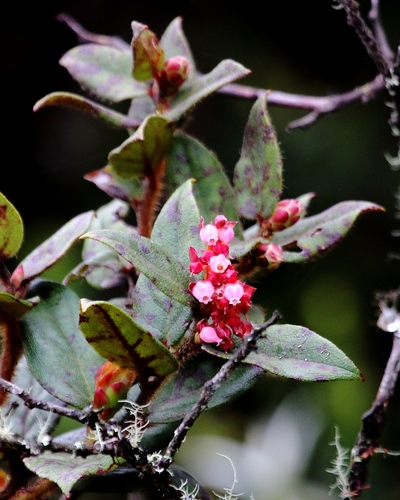
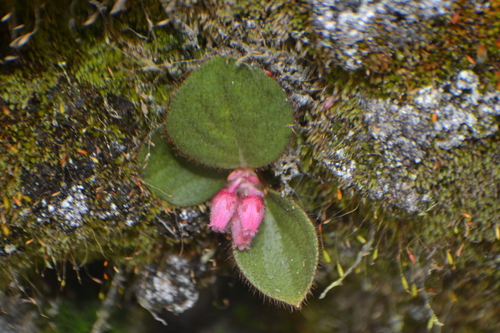
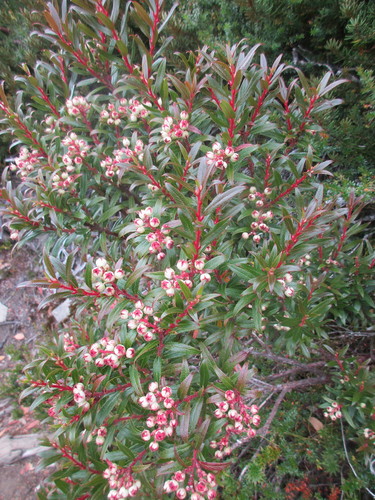
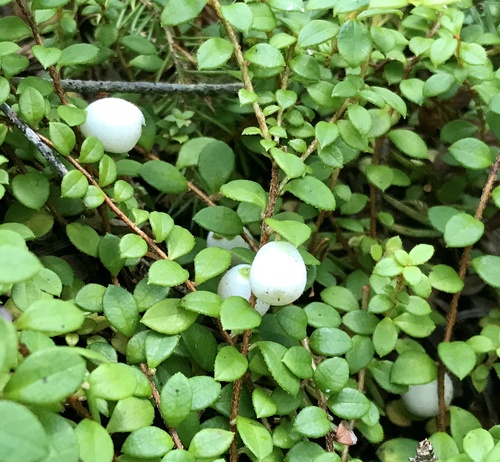
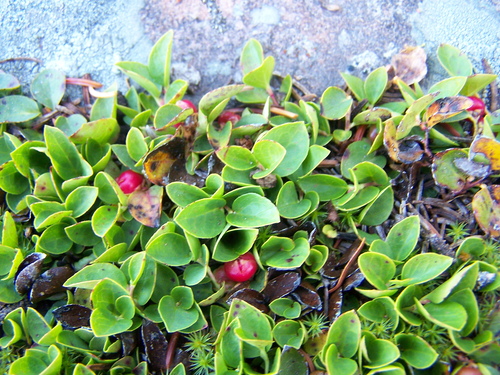
A shrub. It grows 0.3-1 m tall. The branches are densely covered with leaves. The leaves are simple and leathery. They are 2-6 cm long and are smooth on both sides. The flowers are red and in the axils of leaves. The fruit are round and green but turn red then black as they ripen. They have many very small seeds.
Edible Uses
The fruits are eaten fresh or processed into jellies.
Traditional Uses
The fruit are eaten fresh. They are also used for jellies.
This uses section is brief — help expand it
Distribution
A tropical plant. It grows in high altitude fields in Brazil.
Where It Grows
Brazil*, South America,
Cultivation
Plants are grown from seed.
Synonyms
Also Known As
Camarinha, Camarinha-vermelha, Mirtilo-brasileiro
References (6)
- Brack, P., et al, 2020, Frutas nativas do Rio Grande do Sul, Brasil: riqueza e potencial alimentício. Native fruits of Rio Grande do Sul, Brazil: richness and potential as food. Rodriguésia 71: e03102018.
- Kinupp, V. F., 2007, Plantas alimenticias nao-convencionais da regiao metropolitana de Porto Alegre, RS, Brazil p 77
- Leal, M. L. et al, 2018, Knowledge, use, and disuse of unconventional food plants. Journal of Ethnobiology and Ethnomedicine (2018) 14:6
- Lorenzi, H., Bacher, L., Lacerda, M. & Sartori, S., 2006, Brazilian Fruits & Cultivated Exotics. Sao Paulo, Instituto Plantarum de Estuados da Flora Ltda. p 137
- Reis, S. V. and Lipp, F. L., 1982, New Plant Sources for Drugs and Foods from the New York Botanical Garden herbarium. Harvard. p 227
Show all 6 references Hide references
- www.colecionandofrutas.org