Gaylussacia angustifolia
Cham.
Camarinha-da-serra
gbif· cc0
GBIF
gbif· cc0
GBIF
gbif· cc0
GBIF
Description
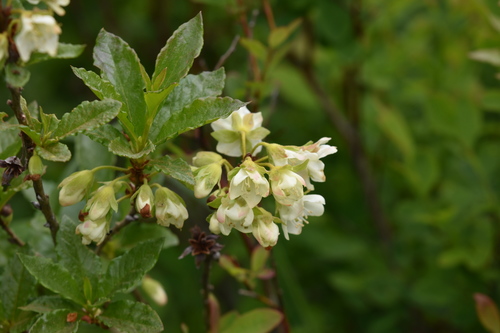
A small bush. It is erect or can be lying over. It is less than 50 cm high. It has a dense covering of leaves. The leaves are simple and with short stalks. They are 2-4 cm long. The flowers are in groups in the axils of leaves. They are white. They have bracts around them and these have hairs along the edges. The fruit are small berries. They are green and have many small seeds. The pulp is juicy and sweet.
Edible Uses
The fruit are eaten fresh and used for jellies.
Traditional Uses
The fruit are eaten fresh. They are also used for jellies.
This uses section is brief — help expand it
Distribution
It is a tropical plant. It grows in high altitude rocky forest in Brazil.
Where It Grows
Brazil*, South America,
Cultivation
Plants are grown from seed.
References (2)
- Brack, P., et al, 2020, Frutas nativas do Rio Grande do Sul, Brasil: riqueza e potencial alimentício. Native fruits of Rio Grande do Sul, Brazil: richness and potential as food. Rodriguésia 71: e03102018.
- Lorenzi, H., Bacher, L., Lacerda, M. & Sartori, S., 2006, Brazilian Fruits & Cultivated Exotics. Sao Paulo, Instituto Plantarum de Estuados da Flora Ltda. p 136