Antidesma madagascariense
Lam.
Varana
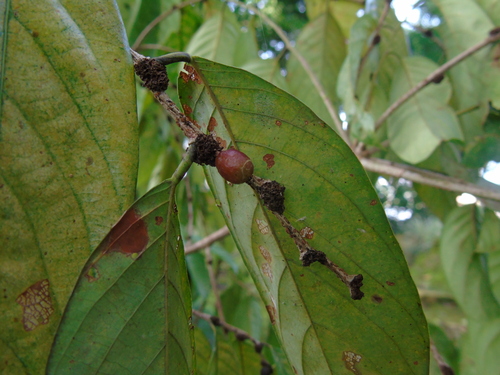
iNaturalist· cc-by-nc
(c) Helene Ralimanana, some rights reserved (CC BY-NC), uploaded by Helene Ralimanana
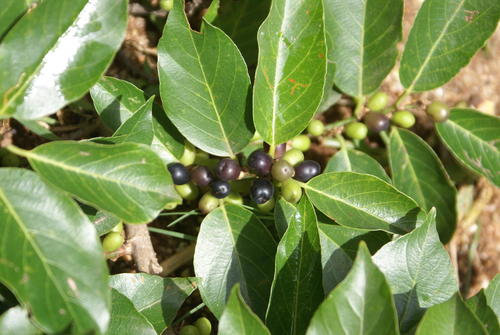
iNaturalist· cc-by-nc-sa
(c) Cédric de Foucault, some rights reserved (CC BY-NC-SA), uploaded by Cédric de Foucault
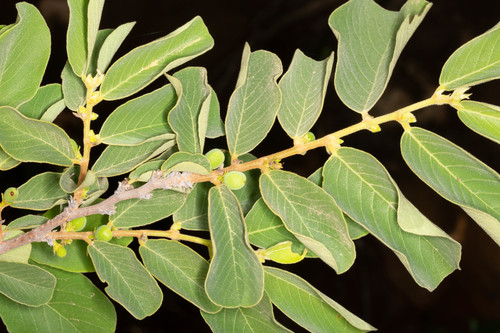
iNaturalist· cc-by-nc
(c) miraille, some rights reserved (CC BY-NC), uploaded by miraille
Description
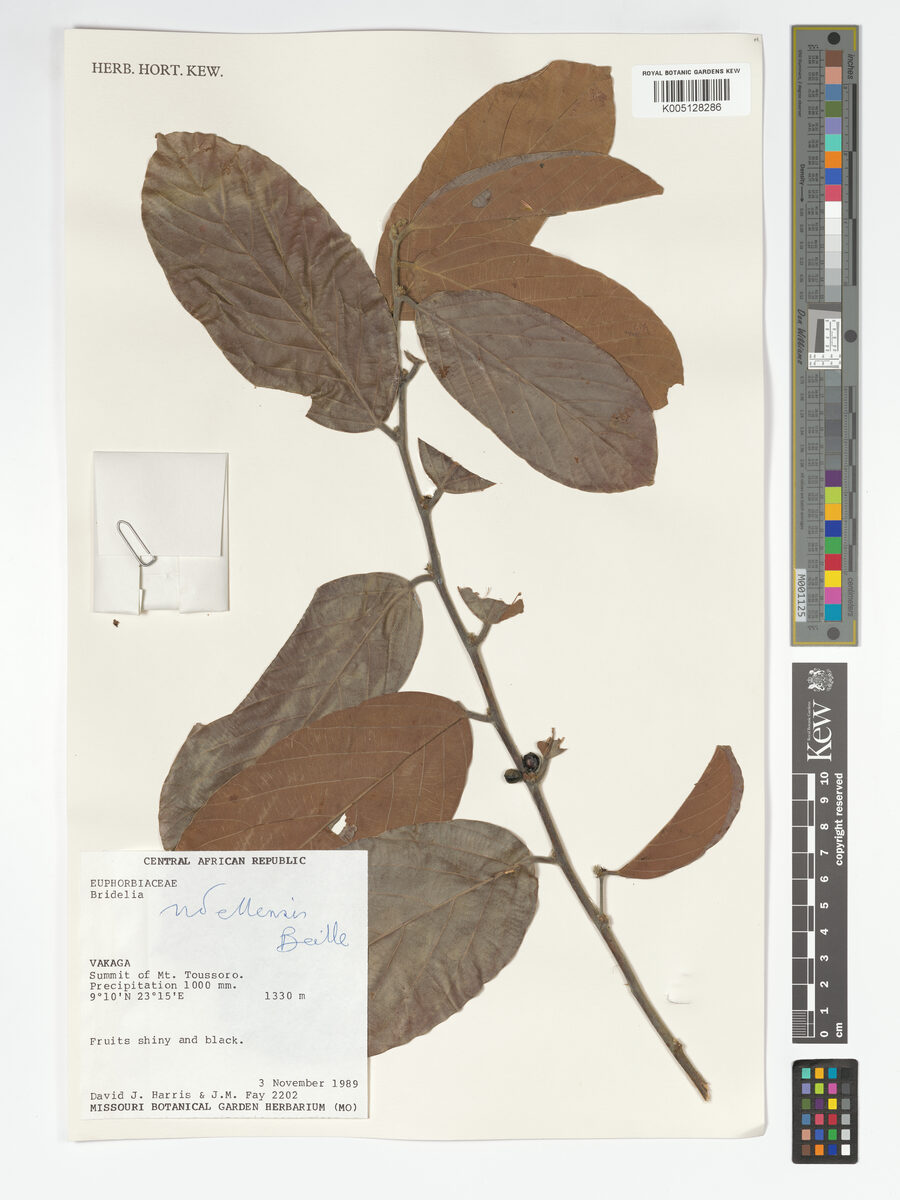
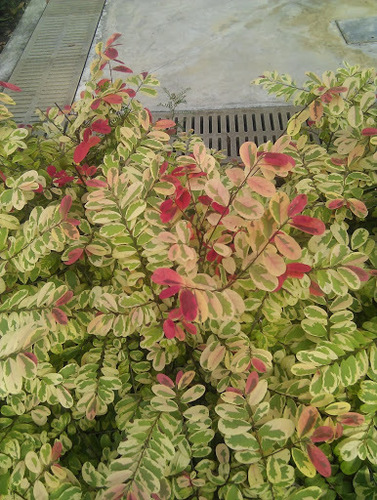
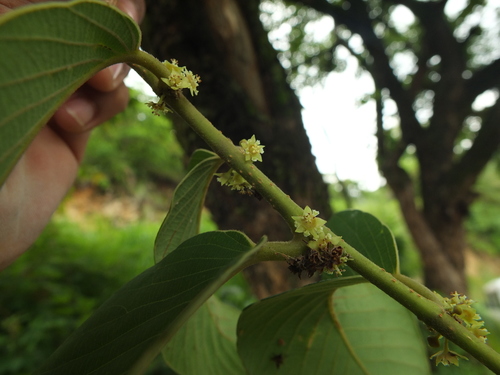
A shrub or small tree. The bark is brownish grey and cracked. It grows 5 m tall. The shape, size and texture of the leaves varies. They are often narrowly oval and 4-10 cm long by 3-5 cm wide. The flowers are small and reddish-green. The fruit are berries in small clusters. They are dark red and turn purple to black when ripe. They are shiny. They are 6-7 mm long.
Edible Uses
The fruit is eaten fresh and also used in alcoholic drinks.
Traditional Uses
The fruit is eaten. They are also used in alcoholic drinks.
This uses section is brief — help expand it
Medicinal Uses
The leaves are used in medicine.
Distribution
A tropical plant. In Reunion it grows in forests between 100-1,600 m above sea level.
Where It Grows
Africa, East Africa, Madagascar, Mauritius, Reunion, Uganda,
Notes
There are about 100-170 Antidesma species. The leaves are used in medicine.
Synonyms
Also Known As
Bois bigayon, Bois de cabri
References (3)
- Bircher, A. G. & Bircher, W. H., 2000, Encyclopedia of Fruit Trees and Edible Flowering Plants in Egypt and the Subtropics. AUC Press. p 34
- Jardin, C., 1970, List of Foods Used In Africa, FAO Nutrition Information Document Series No 2.p 121
- World Checklist of Useful Plant Species 2020. Royal Botanic Gardens, Kew