Raphanus sativus var. caudatus
(L.) L. H. Bailey
Rat-tail radish, Potting radish
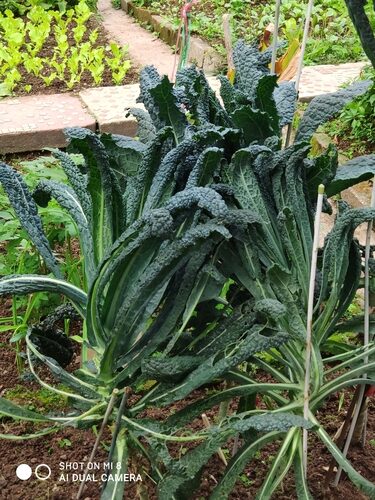
iNaturalist· cc-by-nc
(c) Kinmatsu Lin, some rights reserved (CC BY-NC)
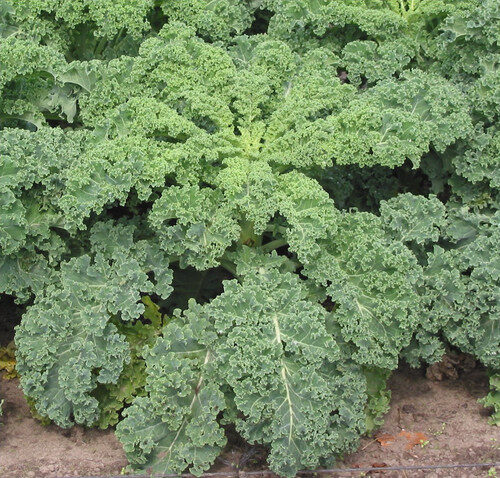
iNaturalist· cc-by-nc
(c) Sarah Wilson, some rights reserved (CC BY-NC)
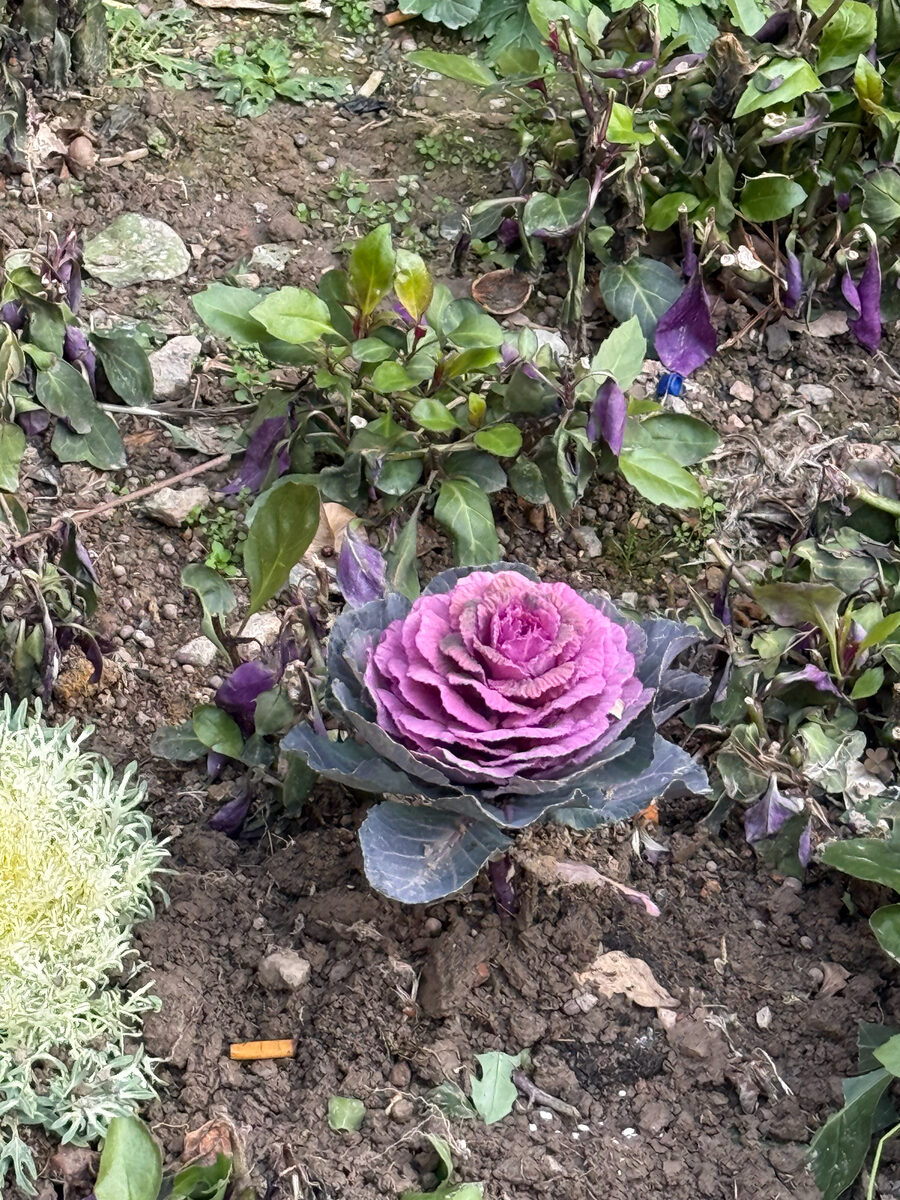
iNaturalist· cc-by-nc
(c) ashleyvizcarra, some rights reserved (CC BY-NC)
Description
A cabbage family herb. It grows for one or two years. It grows 30-90 cm high. It has a long root. The stem is erect at first. The leaves are harp shaped. They can have some hairs. The flowers are in loose clusters. These are 10-36 cm long. The pods are long. Pods can be 1 m long. They are often 20-30 cm long.
Edible Uses
The most commonly eaten portion is the napiform or fusiform taproot, although the entire plant is edible and the tops can be used as a leaf vegetable. The seed can also be sprouted and eaten raw in a similar way to a mung bean. The root of the radish is usually eaten raw, although tougher specimens can be steamed or roasted. The raw flesh has a crisp texture and a pungent, peppery flavor, caused by glucosinolates and the enzyme myrosinase, which combine when chewed to form allyl isothiocyanates, also present in mustard, horseradish, and wasabi. Radishes are mostly used in salads but also appear in many European dishes. They are also paired with butter as an appetizer, which is often accompanied by salt and bread or crackers. In Mexican cuisine, sliced radishes are used in combination with shredded lettuce as garnish for traditional dishes such as tostadas, sopes, enchiladas and pozole. Radish greens are usually discarded, but are edible and nutritious, and can be prepared in several ways. The leaves are sometimes used in recipes, like potato soup or as a sauteed side dish. They are also found blended with fruit juices in some recipes. In Indian cuisine the seed pods are called "moongra" or "mogri" and can be used in many dishes.
Traditional Uses
The pods are eaten raw or cooked. They are used in pickles. They are also used in curries. The young leaves are eaten raw with fish. The flowers are used in salads.
Distribution
A tropical plant. It needs a cool climate and full sun.
Where It Grows
Asia, Australia, India, Indochina, Malaysia, Pakistan, Philippines, SE Asia, Thailand,
Cultivation
Plants are grown from seeds.
Production
The pods are best harvested young before they become too fibrous.
Other Information
It is a commercially cultivated vegetable. The pods are sold in markets.
Synonyms
Also Known As
Monkey-tail radish, Mougri, Rabanos, Serpentine bean, Singri
References (19)
- Ambasta S.P. (Ed.), 2000, The Useful Plants of India. CSIR India. p 515 (As Raphanus caudatus)
- Antonio, M. A., et al, 2011. Survey and Characterization of Indigenous Food Plants in Ilocos Norte, Philippines, SEARCA Agricultural & Development Discussion Papr Series No. 2011-2
- Burkill, I.H., 1966, A Dictionary of the Economic Products of the Malay Peninsula. Ministry of Agriculture and Cooperatives, Kuala Lumpur, Malaysia. Vol 2 (I-Z) p 1898 (As Raphanus caudatus)
- Cundall, P., (ed.), 2004, Gardening Australia: flora: the gardener's bible. ABC Books. p 1133
- Cycl. Amer. hort. 4:1490. 1902
Show all 19 references Hide references
- Facciola, S., 1998, Cornucopia 2: a Source Book of Edible Plants. Kampong Publications, p 60
- Herklots, G. A. C., 1972, Vegetables in South-East Asia. Allen & Unwin. p 139
- Jacquat, C., 1990, Plants from the Markets of Thailand. D.K. Book House p 38
- Japanese International Research Centre for Agricultural Science www.jircas.affrc.go.jp/project/value_addition/Vegetables
- Kays, S. J., and Dias, J. C. S., 1995, Common Names of Commercially Cultivated Vegetables of the World in 15 languages. Economic Botany, Vol. 49, No. 2, pp. 115-152
- Maghirang, R. G., et al, 2018. Ethnobotanical Studies of Some Plants Commonly Used as Vegetables in Selected Provinces of the Philippines. Journal of Nature Studies. 17(2), 30-43. (As Raphanus caudatus)
- Menisa, A. A., et al, 2012, Survey and characterization of Indigenous Food Plants in Ilocos Norte, Philippines. SEARCA Discussion Paper series No. 2011-2
- Plants for a Future database, The Field, Penpol, Lostwithiel, Cornwall, PL22 0NG, UK. http://www.scs.leeds.ac.uk/pfaf/
- Purseglove, J.W., 1968, Tropical Crops Dicotyledons, Longmans. p 97 (As Raphanus caudatus)
- Shah, G.L., 1984, Some economically important plant of Salsette Island near Bombay. J. Econ. Tax. Bot. Vol. 5 No. 4 pp 753-765 (As Raphanus caudatus)
- Tindall, H.D., 1983, Vegetables in the tropics. Macmillan p. 138 (As Raphanus caudatus)
- USDA, ARS, National Genetic Resources Program. Germplasm Resources Information Network - (GRIN). [Online Database] National Germplasm Resources Laboratory, Beltsville, Maryland. Available: www.ars-grin.gov/cgi-bin/npgs/html/econ.pl (10 April 2000)
- Wiersema, J. H. & Leon, B., 2013, World Economic Plants. A Standard Reference CRC Press. 2nd Ed. p 579 (As Raphanus sativus var. mougri)
- Zeven, A. C. & de West, J. M. J., 1982, Dictionary of cultivated plants and their regions of diversity. Wageningen. p 72