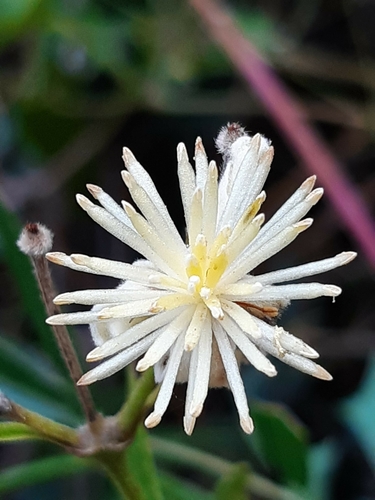
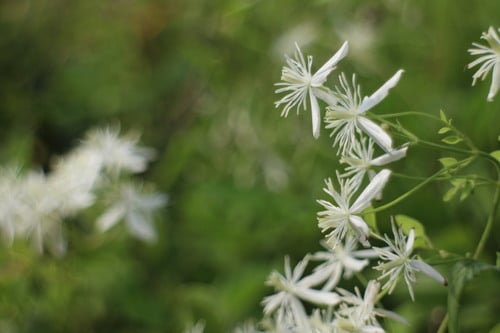
Ranunculus pallasii
Schltdl.
Buttercup, Pallas' Buttercup
iNaturalist· cc-by-nc
(c) bheberlein, some rights reserved (CC BY-NC), uploaded by bheberlein
iNaturalist· cc-by-nc
(c) Sophie Roy, some rights reserved (CC BY-NC), uploaded by Sophie Roy
iNaturalist· cc-by-nc
(c) bheberlein, some rights reserved (CC BY-NC), uploaded by bheberlein
Summary
A low-growing perennial reaching 0.1 m (4 in) tall and spreading to 0.3 m (1 ft). Hermaphrodite flowers appear May to July. Adapts to light sandy, medium loamy, and heavy clay soils with mildly acidic to basic pH. Tolerates semi-shade or full sun and prefers moist to wet soil conditions.
Description
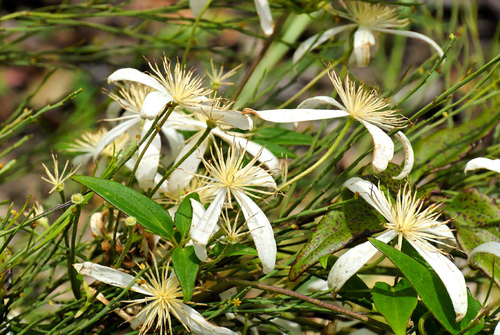
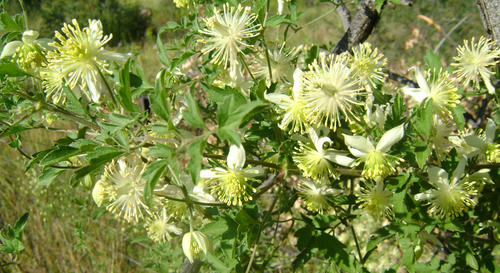
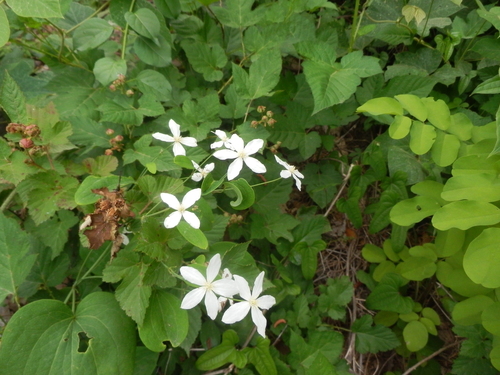
A plant that grows in water. It keeps growing from year to year. It has underground stems that are thick and creeping. These send up leafy and flowering shoots. The leaves are dark green and succulent. Some leaves are divided 3 times and others are not. The flowers occur as one or 2 together on a stalk. There are 6-10 white petals. The seeds are in a dry round cluster.
Edible Uses
The root is edible when cooked, and is best harvested before the leaves appear, as it becomes bitter afterward. Young shoots and stems are also edible when cooked. Some caution is advised for all these uses due to the plant's toxicity.
Traditional Uses
The young tender shoots are cooked and eaten. They become tough if cooked too much. It has a peppery flavour and is eaten with seal oil. The young roots are eaten before the leaves develop. Caution: As it has a chemical called anemenol, it needs to be cooked before eating.
Medicinal Uses
None known.
Known Hazards
Although no specific record of toxicity has been found for this plant, many if not all members of this genus are poisonous. These toxins can be destroyed by heat or by drying[4, 10, 13, 19, 62, 65]. Many if not all plants in this genus also have a strongly acrid juice that can cause blistering to the skin.
Distribution
It is a cold temperate plant. It grows in the shallow edges of tundra lakes.
Where It Grows
Alaska, Arctic, Europe, North America, USA,
Cultivation
We have very little information on this species and do not know if it will be hardy in Britain, though judging by its native range it should succeed outdoors in most parts of the country. The following notes are based on the general needs of the genus. Prefers a moist loamy soil. A greedy plant, inhibiting the growth of nearby plants, especially legumes.
Propagation
Sow seed in spring in a cold frame. Prick seedlings out into individual pots once large enough to handle, and plant out during summer. Can also be propagated by division in spring.
Other Uses
None known.
Notes
There are about 400 Ranunculus species.
Also Known As
Kapukaraat, Kapuukaq
References (6)
- Ager, T. A. & Ager, L. P., 1980, Ethnobotany of the eskimos of Nelson Island, Alaska. Arctic Anthropology Vol 17. No. 1 pp 26-48
- Heller, C. A., 1962, Wild Edible and Poisonous Plants of Alaska. Univ. of Alaska Extension Service. p 26
- Jernigan, K. (Ed.), 2012, A Guide to the Ethnobotany of the Yukon-Kuskokwim Region. Draft.
- Kermath, B. M., et al, 2014, Food Plants in the Americas: A survey of the domesticated, cultivated and wild plants used for Human food in North, Central and South America and the Caribbean. On line draft. p 738
- Moerman, D. F., 2010, Native American Ethnobotany. Timber Press. p 468
Show all 6 references Hide references
- Plants for a Future database, The Field, Penpol, Lostwithiel, Cornwall, PL22 0NG, UK. http://www.scs.leeds.ac.uk/pfaf/