Nigella sativa
L.
Black Cumin
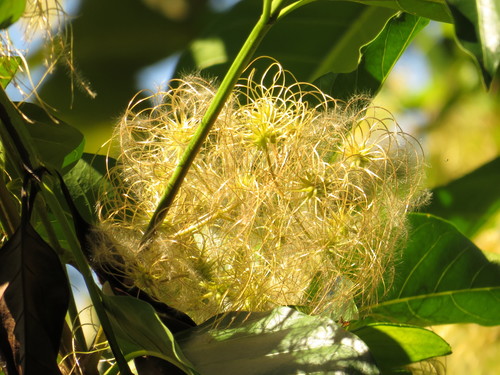
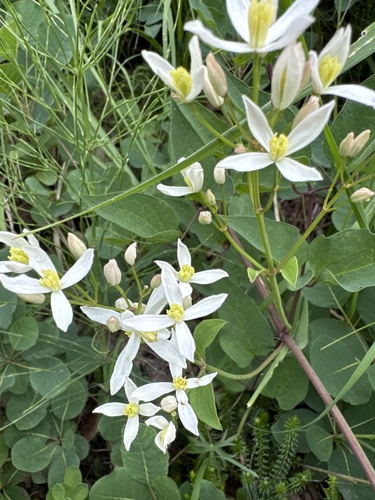
iNaturalist· cc-by
(c) Conrad Altmann, some rights reserved (CC BY), uploaded by Conrad Altmann
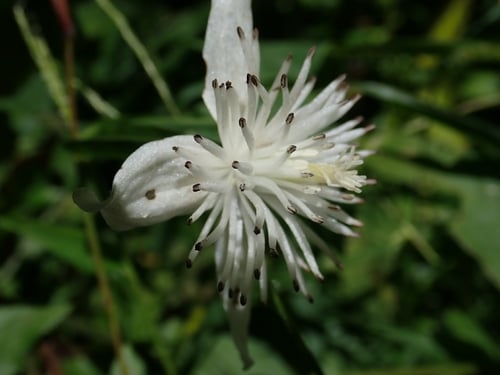
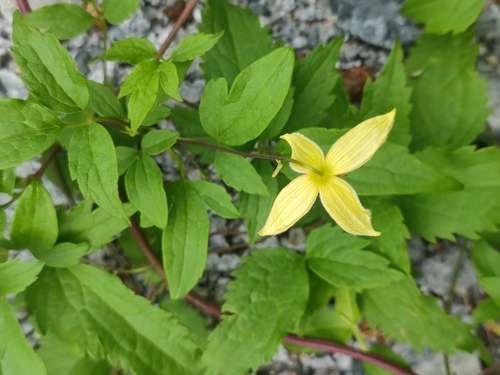
iNaturalist· cc-by
(c) Eran Finkle, some rights reserved (CC BY)
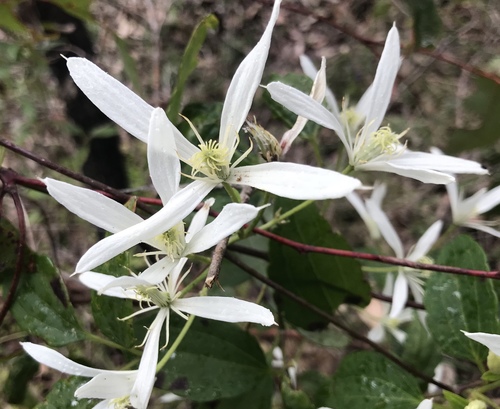
iNaturalist· cc-by-nc
(c) Sonii, Ashish-K., some rights reserved (CC BY-NC), uploaded by Sonii, Ashish-K.
Description
Nigella sativa is a ANNUAL growing to 0.4 m (1ft 4in) by 0.2 m (0ft 8in). It is not frost tender. It is in flower in July, and the seeds ripen in September. The species is hermaphrodite (has both male and female organs) and is pollinated by Bees. Suitable for: light (sandy), medium (loamy) and heavy (clay) soils and prefers well-drained soil. Suitable pH: mildly acid, neutral and basic (mildly alkaline) soils. It cannot grow in the shade. It prefers dry or moist soil.
Edible Uses
Oil. Seed - raw or cooked. Normally used as a flavouring on bread, cakes, curries, pickles etc. There is a belief that eating the seed will make a woman's breasts plumper. The seed is a very popular spice from the Mediterranean to India. It has a pungent flavour according to one report whilst another says that it has a spicy fruity taste and a third that the scent is somewhat like nutmeg. The immature seed is bitter, but when fully ripe it is aromatic. It is also used as a pepper substitute.
Medicinal Uses
Anthelmintic Carminative Diaphoretic Digestive Diuretic Emmenagogue Galactogogue Parasiticide Stimulant. Like many aromatic culinary herbs, the seeds of black cumin are beneficial for the digestive system, soothing stomach pains and spasms and easing wind, bloating and colic. The ripe seed is anthelmintic, carminative, diaphoretic, digestive, diuretic, emmenagogue, galactogogue, laxative and stimulant. An infusion is used in the treatment of digestive and menstrual disorders, insufficient lactation and bronchial complaints. The seeds are much used in India to increase the flow of milk in nursing mothers and they can also be used to treat intestinal worms, especially in children. Externally, the seed is ground into a powder, mixed with sesame oil and used to treat abscesses, haemorrhoids and orchitis. The powdered seed has been used to remove lice from the hair.
Distribution
N. Africa to Ethiopia and W. Asia.
Where It Grows
TEMPERATE ASIA: Iraq, Turkey
Cultivation
Easily grown in any good garden soil, preferring a sunny position. Prefers a light soil in a warm position. This species is often cultivated, especially in western Asia and India, for its edible seed. The seed is aromatic with a nutmeg scent. A greedy plant, inhibiting the growth of nearby plants, especially legumes.
Propagation
Seed - sow spring or early autumn in situ. The autumn sowing might not be successful in harsh winters. Plants can be transplanted if necessary.
Other Uses
Oil Parasiticide Repellent. The aromatic seed contains about 1.5% essential oil. It is placed amongst clothes etc to repel moths. The seeds can also be put in muslin bags and hung near a fire when they will fill the room with their delicious scent. They need to be changed about every three weeks. The seed contains 35% of a fatty oil.