Ficaria verna subsp. ficariiformis
(Rouy & Foucaud) B. Walln.
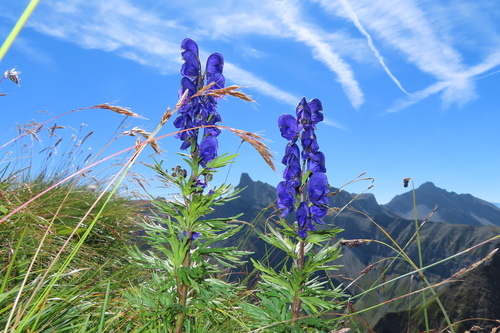
iNaturalist· cc-by
(c) Bernard Picton, some rights reserved (CC BY), uploaded by Bernard Picton
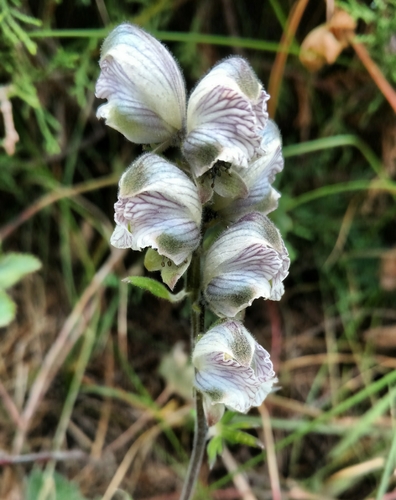
iNaturalist· cc-by-nc
(c) katie1776, some rights reserved (CC BY-NC)
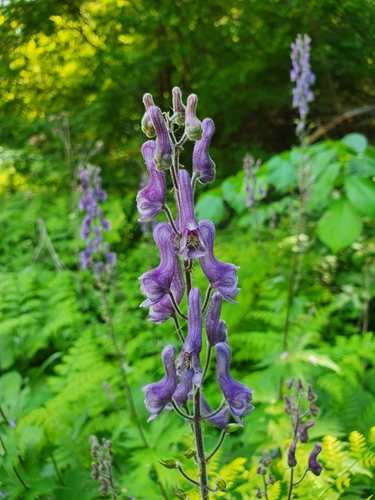
iNaturalist· cc-by-nc
(c) beckyfrazier, some rights reserved (CC BY-NC)
Summary
Source: WikipediaFicaria verna (formerly Ranunculus ficaria L.), commonly known as lesser celandine or pilewort, is a low-growing, hairless perennial flowering plant in the buttercup family Ranunculaceae. It has fleshy dark green, heart-shaped leaves and distinctive flowers with bright yellow, glossy petals. Native to Europe and Western Asia, it is now introduced in North America, where it is known by the common name fig buttercup and considered an invasive species. The plant is poisonous if ingested raw and potentially fatal to grazing animals and livestock, such as horses, cattle, and sheep. For these reasons, several US states have banned the plant or listed it as a noxious weed. It prefers bare, damp ground and is considered by horticulturalists in the United Kingdom as a persistent garden weed; nevertheless, many specialist plantsmen, nursery owners and discerning gardeners in the UK and Europe collect selected cultivars of the plant, including bronze-leaved and double-flowered ones. Emerging in late winter with flowers appearing late February through May in the UK, its appearance across the landscape is regarded by many as a harbinger of spring.
Description
A temperate herbaceous plant in the buttercup family (Ranunculaceae) with edible leaves.
This description is brief — help expand it
Edible Uses
The leaves are traditionally added to pastry.
Traditional Uses
The leaves are added to pastry.
This uses section is brief — help expand it
Known Hazards
All plants of the buttercup family (Ranunculaceae) contain a compound known as protoanemonin. When the plant is wounded, the unstable glucoside ranunculin turns into the toxin protoanemonin. Contact with damaged or crushed Ficaria leaves can cause itching, rashes or blistering on the skin or mucosa. Ingesting the toxin can cause nausea, vomiting, dizziness, spasms, or paralysis. In one case, a patient experienced acute hepatitis and jaundice when taking untreated lesser celandine extracts internally as an herbal remedy for hemorrhoids.
Distribution
It is a temperate plant.
Where It Grows
Europe, Turkey, Türkiye,
Synonyms
References (1)
- Hancer, C. K., et al, 2020, Traditional Knowledge of Wild Edible Plants of Biga (Çanakkale), Turkey. Acta Societatis Botanicorum Poloniae / 2020 / Volume 89 / Issue 1 / Article 8914