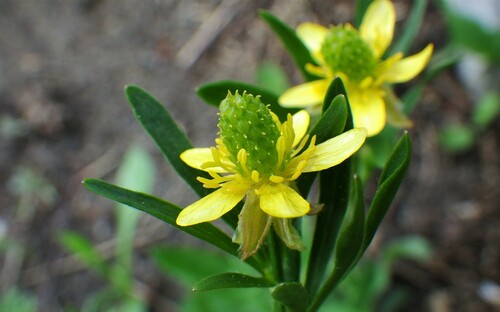
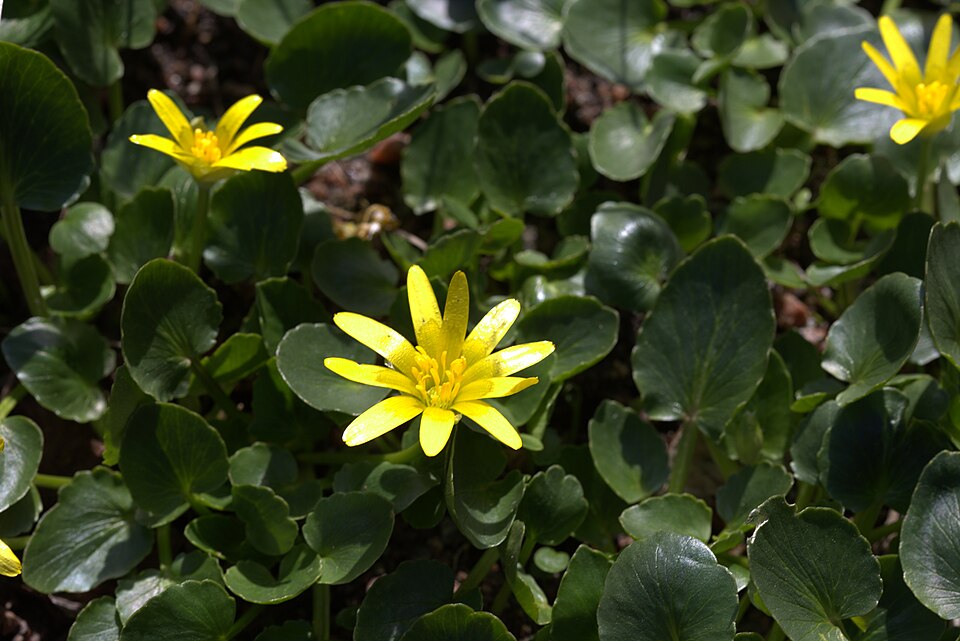
Nigella orientalis
L.
Yellow fennel-flower
iNaturalist· cc-by-nc
(c) Mehmet Çelik, some rights reserved (CC BY-NC)
iNaturalist· cc-by-nc
(c) Mehmet Çelik, some rights reserved (CC BY-NC)
wikimedia· cc-by-sa
Wikimedia Commons - Roger Culos
Summary
Source: WikipediaNigella orientalis, the yellow fennel flower, is a species of flowering plant in the family Ranunculaceae. It is native to Ukraine, Bulgaria, Greece, the eastern Aegean Islands, Turkey, the Transcaucasus, Lebanon, Syria, and northern Iran, and it has been introduced to southern European Russia. A 20 to 40 in (0.5 to 1.0 m) tall annual or biennial with highly dissected leaves, it is typically found in temperate areas. There appears to be a cultivar, 'Transformer'.
Description
Annual plant reaching 0.3m tall. Not frost tender. Flowers June to September with seeds ripening August to October. Hermaphroditic flowers pollinated by bees. Grows in light, medium, or heavy soils with good drainage; tolerates mildly acid, neutral, or basic pH. Requires full sun and adapts to dry or moist soil.
Edible Uses
The seed is sometimes used to adulterate pepper.
Traditional Uses
The seeds are sometimes used to adulterate pepper.
This uses section is brief — help expand it
Medicinal Uses
None known.
Distribution
It is a temperate plant.
Where It Grows
Asia, Europe, Slovenia,
Cultivation
An easily grown plant, succeeding in any good garden soil, preferring a sunny position. A greedy plant, inhibiting the growth of nearby plants, especially legumes.
Propagation
Sow seed in spring or early autumn in situ. Autumn sowings may not succeed in harsh winters. Plants can be transplanted if necessary.
Other Uses
None known.
Synonyms
Also Known As
Orientalska črnika
References (2)
- Facciola, S., 1998, Cornucopia 2: a Source Book of Edible Plants. Kampong Publications, p 121
- http://www.botanic-gardens-ljubljana.com/en/plants