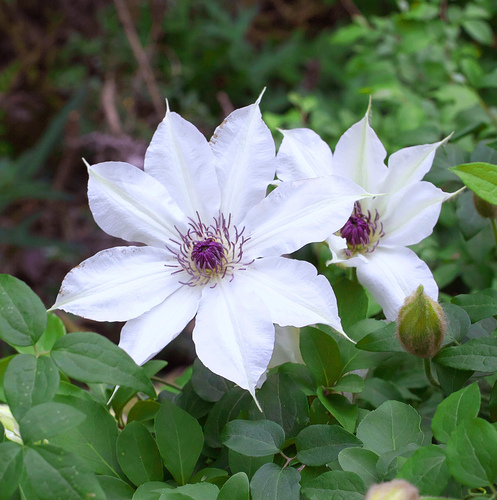
Helleborus niger
L.
Black Hellebore, Christmas rose
iNaturalist· cc-by-nc
(c) Alberto Colatore, some rights reserved (CC BY-NC), uploaded by Alberto Colatore
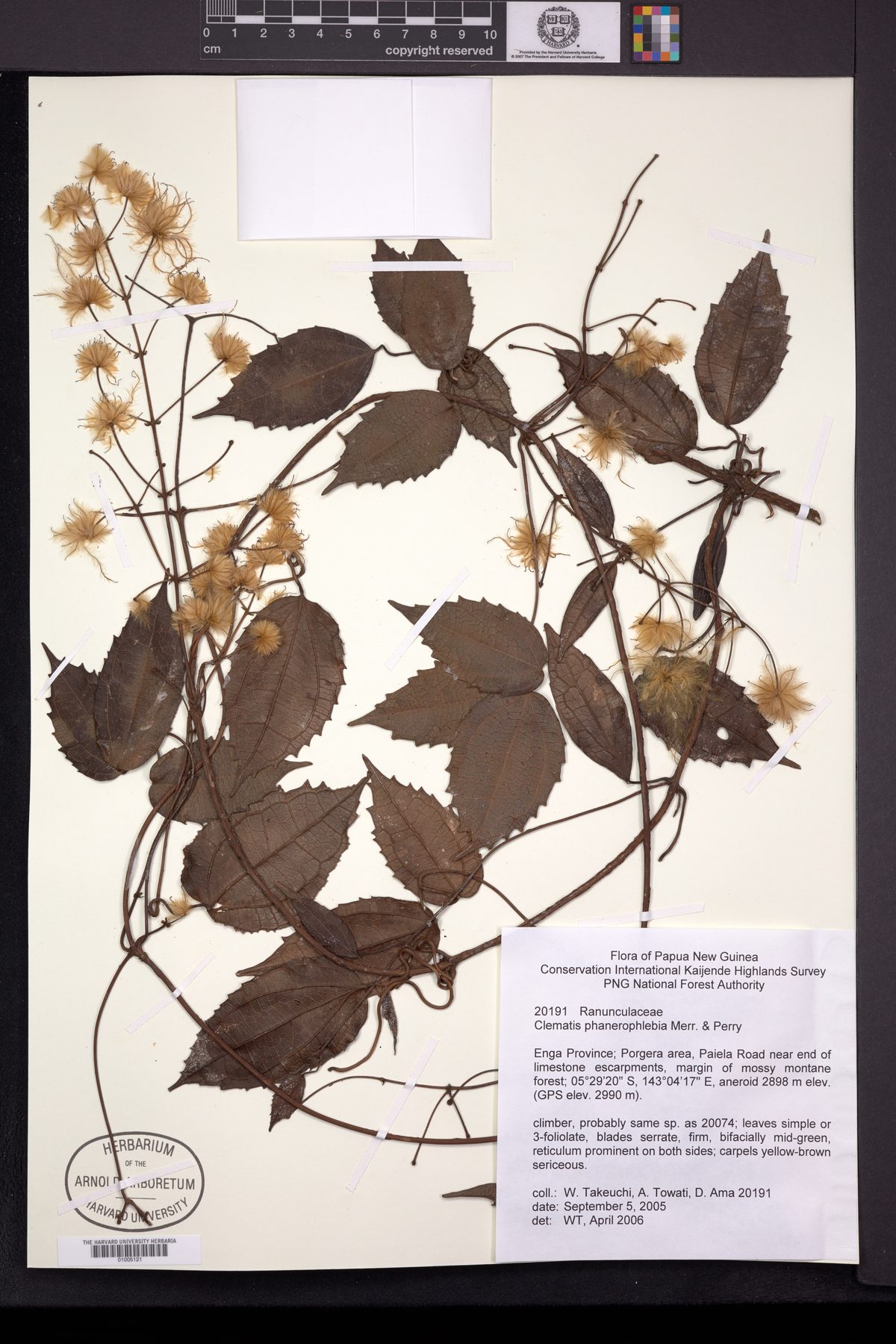
iNaturalist· cc-by-nc
(c) Norbert Sauberer, some rights reserved (CC BY-NC)
Summary
Source: WikipediaHelleborus niger, commonly called Christmas rose or black hellebore, is an evergreen perennial flowering plant in the buttercup family, Ranunculaceae. It is one of about 20 species from the genus Helleborus. It is a poisonous cottage garden favourite because it flowers in the depths of winter. Although the flowers resemble wild roses (and despite its common name), Christmas rose does not belong to the rose family (Rosaceae).
Description
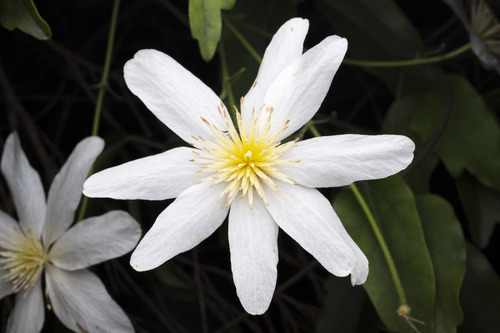
A perennial plant. It grows 30-45 cm high and is the same width. It forms clumps. The leaves are dark green and leathery. They are 20 cm long and have 5-9 broad leaflets. These have teeth around the edge. The flowers are saucer shaped and white with yellow stamens. The leaflets are toothed and dark green.
Edible Uses
No edible uses are known for this plant.
Traditional Uses
The starch of the root is used for extending bread flour, after removing the bitter element. Caution: It contains alkaloids and should only be used very sparingly especially by pregnant women.
Medicinal Uses
Black hellebore is very poisonous and toxic in all but the smallest doses; it should not be used except under professional supervision. It contains cardiac glycosides with an action similar to foxglove (Digitalis spp.) and has been used as a heart stimulant for the elderly, though this is no longer a recommended treatment. The root is anthelmintic, cardiac, cathartic, diuretic, emetic, emmenagogue, irritant, violently narcotic, and a drastic purgative. Harvested in autumn and dried for later use, it has been applied in cases of dropsy, amenorrhoea, nervous disorders, and hysteria, though its extreme toxicity demands great care with dosage. The root can also be applied externally as a local irritant, though again care is required given its toxicity. A homeopathic remedy made from the roots is used to treat headaches, psychic disorders, enteritis, and spasms.
Known Hazards
All parts of the Christmas Rose plant are considered toxic upon consumption or physical contact with sap from damaged plant tissues. This is due to the fact that its organs contain varying levels of different glycosides - which are common plant defense mechanisms against herbivores and microorganisms.
Distribution
It is a temperate plant. It is frost hardy. It suits hardiness zones 3-9.
Where It Grows
Asia, Australia, Austria, Europe, France, Germany, Italy*, Mediterranean, Myanmar, SE Asia, Slovenia, Switzerland, Tasmania,
Cultivation
Cultivation of this plant is not always easy, it prefers a rich limy soil in partial shade. Succeeds in any good garden soil, growing and flowering best in a moist well-drained rich loam in a sheltered position in partial shade. Succeeds when grown in the shade of a north-facing wall. Does not object to lime. Grows well in heavy clay soils. Dislikes drought. Slugs are very fond of this plant and it will probably require some protection from them. The various species in this genus hybridize freely. Plants can flower in three years from seed. A very ornamental plant, there are many named varieties. Plants resent root disturbance and are slow to re-establish when divided. They are best left undisturbed for 6 - 7 years before being divided. Seedling plants should be placed in their permanent positions whilst still small. A greedy plant, inhibiting the growth of nearby plants, especially legumes.
Propagation
Seed is best sown as soon as ripe in a cold frame. Stored seed should be sown as early in the year as possible and typically germinates between autumn and spring, though germination can take up to 18 months. Once seedlings are large enough to handle, prick them out into individual pots and grow on in a lightly shaded greenhouse through their first winter, then plant out in late spring or early summer after the last expected frosts. This species typically produces flowering plants within 2–3 years from seed. Division can be carried out after flowering or in autumn, though the plant resents disturbance and care should be taken.
Other Uses
The plant has been used as a parasiticide against body lice, fleas, and similar parasites, though this application carries some danger given the plant's toxicity. The powdered root has also been used as a snuff. Plants make suitable ground cover when spaced approximately 45cm apart in each direction.
Other Information
It is a famine food.
Notes
There are 15 Helleborus species.