Polyscias pinnata
J. R. Forst. & G. Forst.
wikimedia· cc-by-sa
Wikimedia Commons - Mokkie
wikimedia· cc-by-sa
Wikimedia Commons - Mokkie
Description
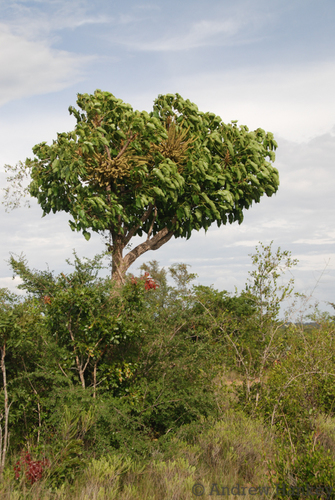
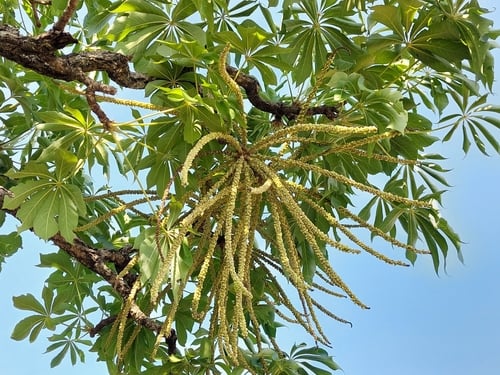
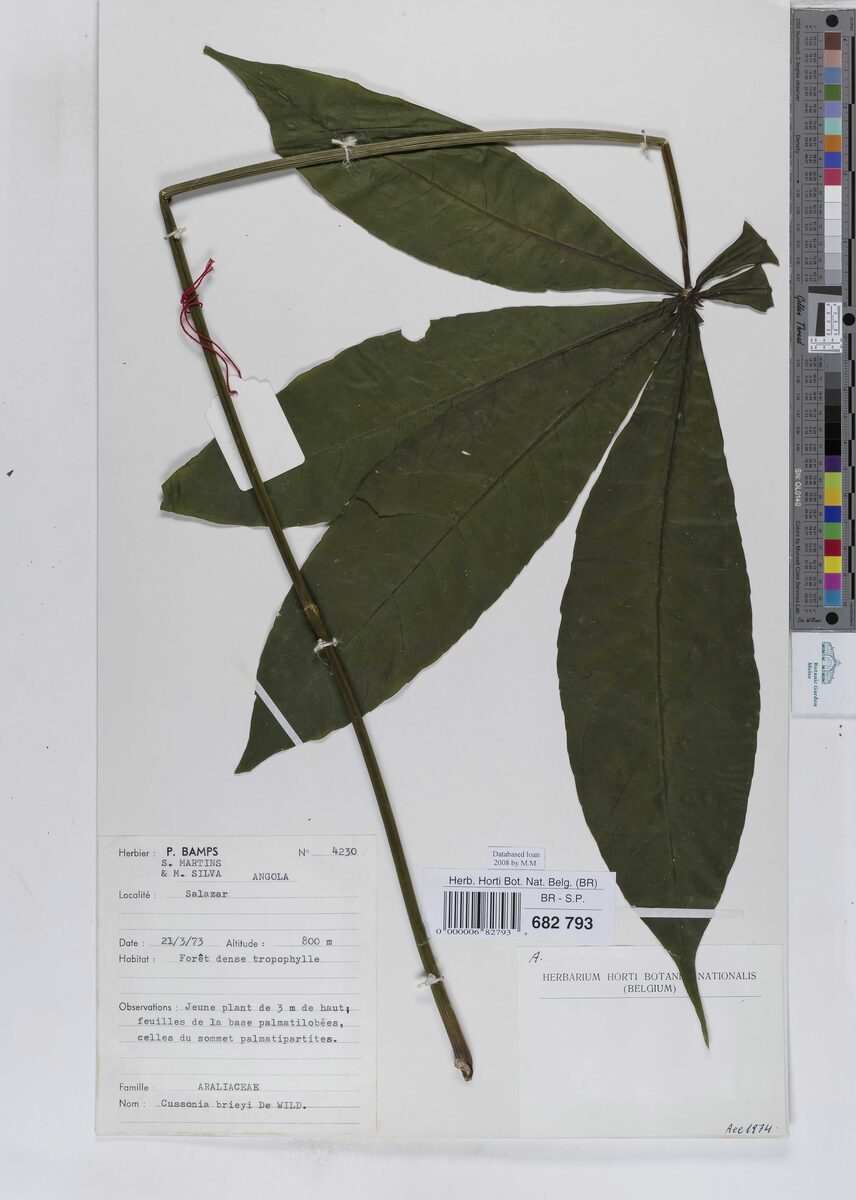
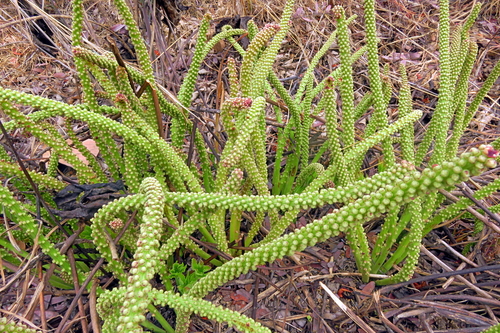
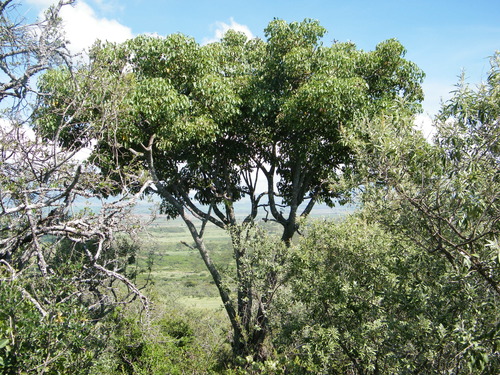
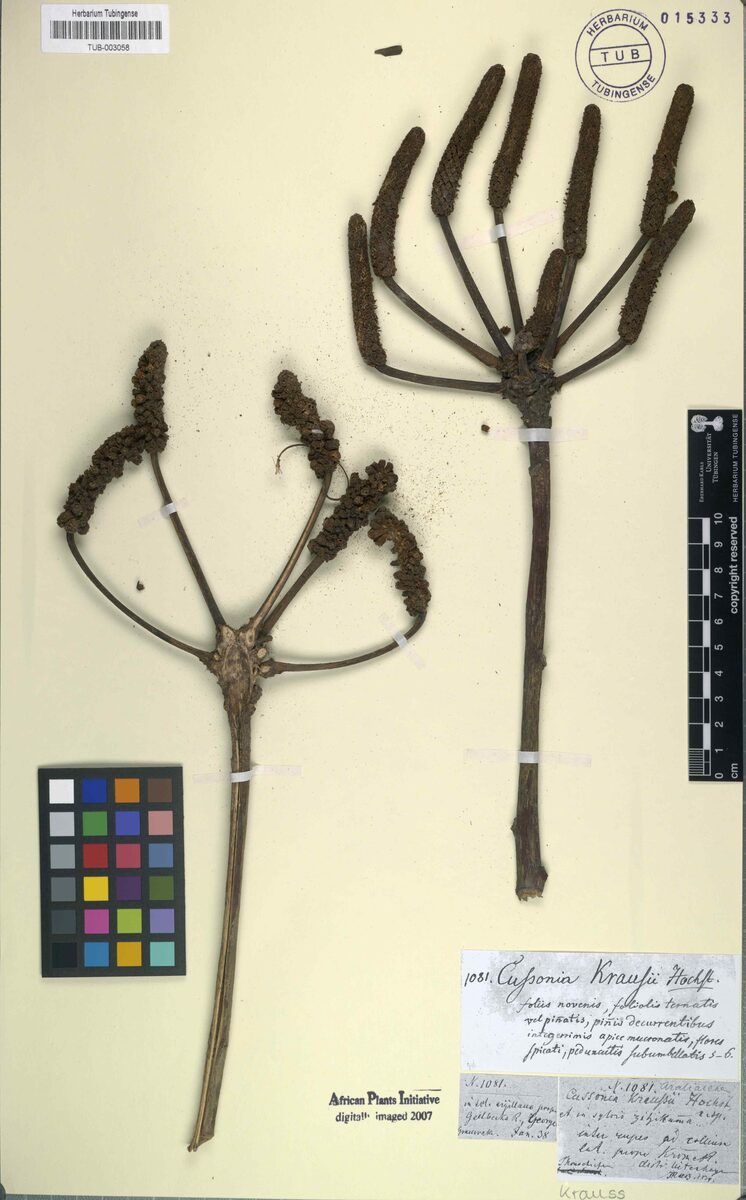
A shrub. It grows 2-3 m tall and spreads up to 1 m wide. The leaves are alternate and they have 3 leaflets. There are teeth along the edge. The leaf blade is 10-20 cm long. The flowers are white.
Edible Uses
The young leaves are eaten as a vegetable.
Traditional Uses
The young leaves are eaten as a vegetable.
This uses section is brief — help expand it
Distribution
A tropical plant. It can tolerate salt spray. It is best in a moist well-drained soil. It suits hardiness zones 10-12.
Where It Grows
Asia, Chuuk, Dominican Republic, FSM, Guam, Haiti, India, Indonesia, North America, Pacific*, Papua New Guinea, PNG, Puerto Rico, SE Asia, USA, Vanuatu, West Indies,
Cultivation
Plants can be grown by seed, cuttings or air-layering. It can be planted as a hedge.
Other Information
It is a cultivated plant.
Notes
There are about 100 Polyscias species.
Synonyms
References (9)
- Ambasta, S.P. (Ed.), 2000, The Useful Plants of India. CSIR India. p 482
- Andarwulan, N., et al, 2010, Flavonoid content and antioxidant activity of vegetables from Indonesia. Food Chemistry 121: 1231-1235
- Arora, R. K., 2014, Diversity in Underutilized Plant Species - An Asia-Pacific Perspective. Bioversity International. p 43, 105 (As Nothopanax pinnatum)
- Barrau, J., 1976, Subsistence Agriculture in Melanesia. Bernice P. Bishop Museu, Bulletin 219 Honolulu Hawaii. Kraus reprint. p 58
- Martin, F.W. & Ruberte, R.M., 1979, Edible Leaves of the Tropics. Antillian College Press, Mayaguez, Puerto Rico. p 177
Show all 9 references Hide references
- Massal, E. and Barrau, J., 1973, Food Plants of the South Sea Islands. SPC Technical Paper No 94. Noumea, New Caledonia. p 35
- Plants of Haiti Smithsonian Institute http://botany.si.edu
- Stone, B.,
- Terra, G.J.A., 1973, Tropical Vegetables. Communication 54e Royal Tropical Institute, Amsterdam, p 63