Ebenopsis ebano
(Berland.) Barneby & J. W. Grimes
Texas ebony
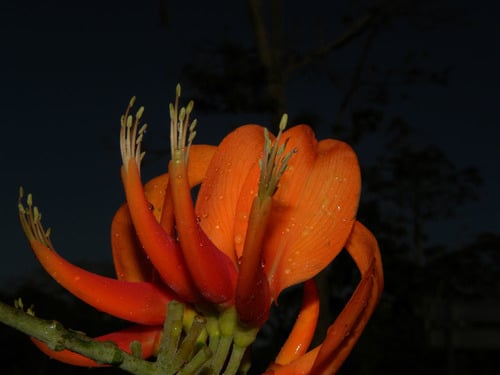
iNaturalist· cc-by-nc
(c) misha_f, some rights reserved (CC BY-NC)
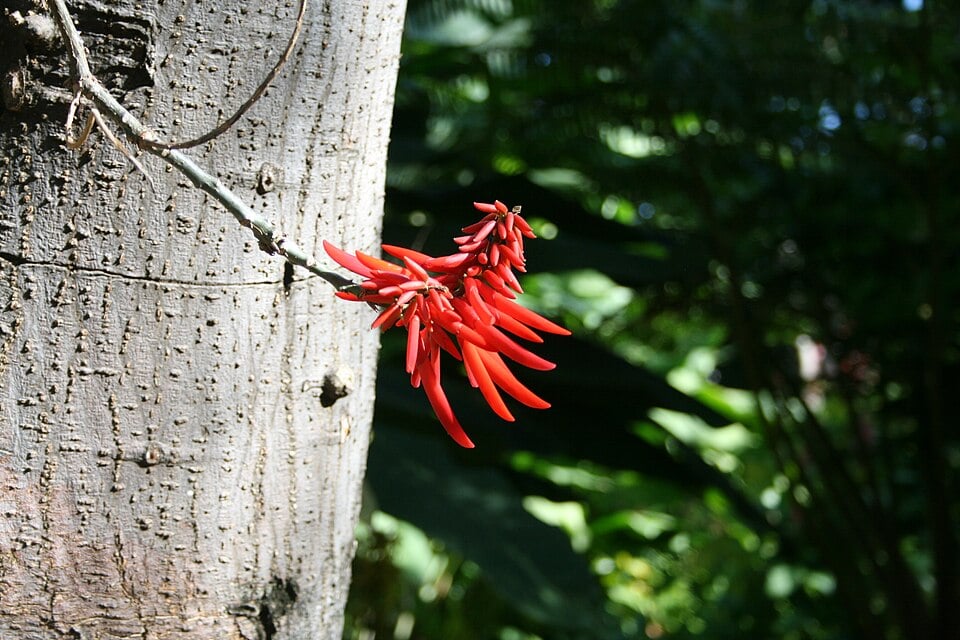
iNaturalist· cc-by-nc
(c) recka808, some rights reserved (CC BY-NC)
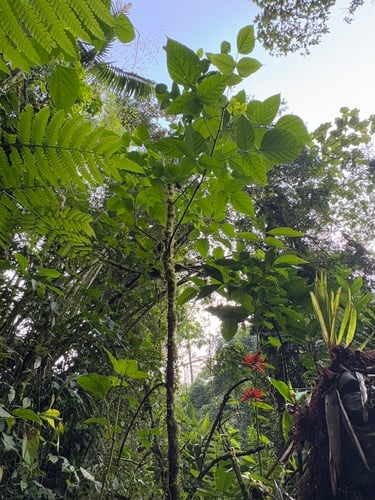
iNaturalist· cc-by-nc
(c) Peggy Romfh, some rights reserved (CC BY-NC), uploaded by Peggy Romfh
Summary
Source: WikipediaEbenopsis ebano is a species of flowering plant in the family Fabaceae, that is native to the coastal plain of southern Texas in the United States and eastern Mexico. It is commonly known as Texas ebony or ebano (in Spanish).
Description
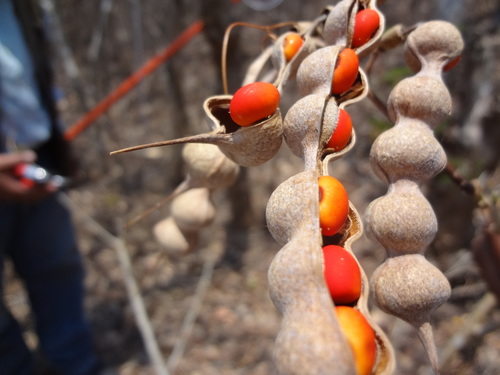
An evergreen tree. It grows 4.5-9 m high and spreads 6 m wide. The crown is dense and spreading. The trunk can be 1.2 m across. The branches are thin and whip like. They have spines. The leaves are dark green. They have 3-6 pairs of leaflets. The flowers are like wattle and creamy-yellow. They are fragrant. They occur in sprays. The fruit are seed pods. The seed pods are brown and woody and 8-15 cm long by 3-4 cm wide.
Edible Uses
The seeds are eaten after roasting or boiling, and can also be toasted, ground, and boiled as a coffee substitute. Young green seed pods are cooked and eaten.
Traditional Uses
The seeds are eaten after roasting. They are also boiled and eaten. The seeds are toasted, ground and boiled as a coffee substitute. The green seed pods are cooked and eaten. Caution: If eaten in large quantities it can cause a discharge from the urethra that is not harmful.
Medicinal Uses
The toasted seeds are purgative.
Known Hazards
Consumption in large quantities can cause a discharge from the urethra that is not harmful.
Distribution
It is a subtropical plant. It can tolerate temperatures down to -12°C. Once established plants are drought tolerant. They can grow in acid soils but are best in alkaline soils. It grows in coastal plains up to 1,000 m above sea level in Indonesia. It suits hardiness zones 9-11. In XTBG Yunnan.
Where It Grows
Asia, Australia, Central America, China, Indonesia, Mexico, North America*, SE Asia, USA,
Cultivation
Plants can be grown from seeds. Seeds need to be soaked in warm water for 12-24 hours.
Propagation
Seed - requires pre-treatment by first of all scarifying the seedcoat and then soaking the seed for 12 - 24 hours in warm water.
Other Uses
The heartwood is dark red to purplish brown, the sapwood is yellowish. The wood is hard, close-grained, very durable, but brittle. It is used for cabinet work, fence posts, wagons etc. The tree has been used in reclamation projects.
Production
It is slow growing.
Notes
Also as Mimosaceae.
Synonyms
Also Known As
Ebano, Ebony ebenopsis, Pohon eboni teksas
References (16)
- Astrada, E., et al, 2007, Ethnobotany in the Cumbres de Monterrey National Park, Nuevo Leon, Mexico. Journal of Ethnobiology and Ethnomedicine 3:8
- Beckstrom-Sternberg, Stephen M., and James A. Duke. "The Foodplant Database." http://probe.nalusda.gov:8300/cgi-bin/browse/foodplantdb.(ACEDB version 4.0 - data version July 1994) (As Pithecellobium flexicaule)
- Contr. U.S. Natl. Herb. 2:101. 1891 (As Pithecellobium flexicaule)
- Cundall, P., (ed.), 2004, Gardening Australia: flora: the gardener's bible. ABC Books. p 1054 (As Pithecellobium flexicaule)
- Facciola, S., 1998, Cornucopia 2: a Source Book of Edible Plants. Kampong Publications, p 153 (As Pithecellobium flexicaule)
Show all 16 references Hide references
- FAO, 2012, Forest Genetic Resources Situation in Mexico. Final Report of Project TCP/ 3301 p 287 (As Pithecellobium ebano)
- Fern, K., 2012, Tropical Species Database http://theferns.info/tropical/
- Forest Genetic Resources Situation in Mexico, FAO 2012 Annex 15 p 287 (As Pithecellobium ebano)
- Grandtner, M. M., 2008, World Dictionary of Trees. Wood and Forest Science Department. Laval University, Quebec, Qc Canada. (Internet database http://www.WDT.QC.ca)
- Kermath, B. M., et al, 2014, Food Plants in the Americas: A survey of the domesticated, cultivated and wild plants used for Human food in North, Central and South America and the Caribbean. On line draft. p 326
- Kiple, K.F. & Ornelas, K.C., (eds), 2000, The Cambridge World History of Food. CUP p 1836 (As Pithecellobium flexicaule)
- Piedra-Malagón, E. M., et al, 2022, Edible native plants of the Gulf of Mexico Province. Biodiversity Data Journal 10: e80565 p 21
- Segura, S., et al, 2018, The edible fruit species in Mexico. Genet Resour Crop Evol (2018) 65:1767–1793
- Sukarya, D. G., (Ed.) 2013, 3,500 Plant Species of the Botanic Gardens of Indonesia. LIPI p 255
- Uphof, (As Pithecellobium flexicaule)
- World Checklist of Useful Plant Species 2020. Royal Botanic Gardens, Kew (Also as Ebenopsis confinis (Standl.) Britton & Rose)